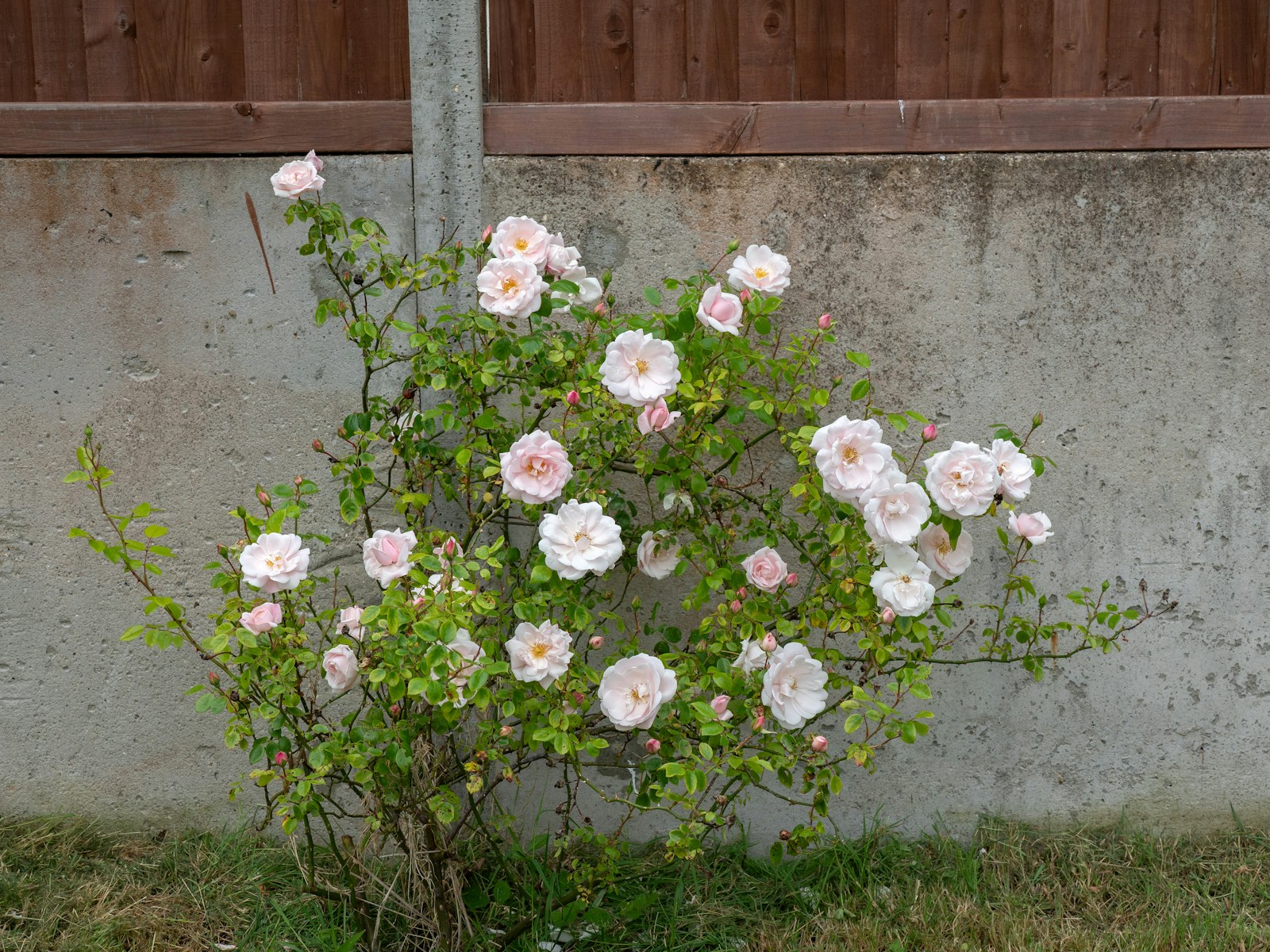
Purdue Extension Says Rose Pruning Should Wait Until Late Winter Because Fall Cuts Die Back, and Fallen Leaves Should Be Cleared to Cut Disease
Rose bushes should not be pruned in late fall, according to Purdue University Extension, because branches cut at this time of year tend to die back from the cut through winter weather. Purdue’s guidance instead saves pruning for late winter or early spring and calls for clearing fallen leaves and dead stems now to keep diseases from overwintering.
The advice comes from a Purdue Extension winter rose care guide by consumer horticulture specialist Rosie Lerner, and it applies once roses have gone dormant after several killing freezes.
Why Fall Cuts Die Back
Lerner writes that roses become dormant after several killing freezes in late fall, and that is when winter protection should begin. Pruning is not part of that list. Branches cut in fall, according to the Purdue guide, tend to die back from the cut over winter, so the main pruning waits for late winter or early spring.
The Chicago Botanic Garden gives the same reason in its winterizing guide, saying fall cuts will not callus before winter. The garden says shrub roses can be pruned for shape only. University of Minnesota Extension educator Robin Trott, in a September 2026 article on autumn rose care, saves structural pruning for late April or early May and says hardy shrub roses should be pruned only lightly, removing dead or diseased wood.
Nebraska Extension educator Sarah Browning, in a Nebraska Extension column on rose winter protection, says roses should not be fertilized or pruned after the end of August. Once plants are dormant, she limits fall work to removing dead, broken, damaged or diseased canes, and says shrub roses need no further pruning.
Clearing Leaves to Cut Disease
Purdue’s second late-season step is sanitation. Lerner recommends removing fallen leaves and dead stems on and around rose plants to prevent diseases from overwintering. The Chicago Botanic Garden’s guide also calls for removing fallen leaves from the garden in fall.
Browning, in a separate Nebraska Extension column on preparing roses for winter, recommends removing all fallen leaves and debris around each plant, especially after a summer with disease, since the leaves can harbor fungal spores.
What Purdue Recommends Instead
With pruning off the list, Purdue’s guide focuses on protection. If the soil is dry, Lerner says to soak it thoroughly before winter, noting that roses under building overhangs often dry out even in wet seasons. Canes can be tied with twine, spiraling up from the base, to limit wind damage and make mounding easier.
For grafted roses, Lerner calls a soil mound about 12 inches high, roughly 5 gallons of soil, the most reliable method, saying it protects the graft union and also discourages rabbits from feeding on the stems. Straw or chopped leaves can go on top of the mound. Where rose cones are used, the guide says to still mound 6 to 8 inches of soil around the base, cut ventilation slits in the cone and weigh the top down with a heavy rock or brick.
Browning recommends a similar 10 to 12 inches of soil for tender roses such as hybrid teas, floribundas and grandifloras, covering the bud union, with the soil taken from elsewhere in the garden so the roots are not disturbed. Trott’s Minnesota guidance calls for 8 to 12 inches of soil or compost over hybrid tea crowns once the ground freezes. Readers can compare this with the site’s earlier look at Missouri’s mulch depths for roses after a hard frost.
The One Fall Cut Some Gardens Make
Not every guide rules out fall cutting entirely. Trott says hybrid teas can be cut back to 24 to 30 inches after hard frosts, and the Chicago Botanic Garden cuts hybrid tea and English roses to knee height after several days in the teens, before mounding them with 12 inches of composted manure or lightweight soil. The garden adds that if the cold has not arrived by Thanksgiving, winterizing should go ahead anyway.
This site also covered an HGTV recommendation to cut hybrid tea roses back by a third after the first killing frost. Purdue’s guidance favors leaving major cuts until late winter or early spring.
Uncovering in Spring
Purdue says mounds and cones come off as soon as new growth begins, along with the twine, taking care not to damage old canes or new shoots. The removed soil should be placed elsewhere in the garden. The Chicago Botanic Garden removes protection gradually from late March or early April, when new growth begins.
This article was produced with AI assistance and edited for accuracy against the sources linked above.