Roses Need 6 to 10 Inches of Mulch After a Hard Frost and Tulips Can Go In Until the Ground Freezes, Missouri Extension’s Dhruba Dhakal Says
The first hard frost of the season sets the clock for rose growers in Missouri. According to University of Missouri Extension horticulture field specialist Dhruba Dhakal, that is the moment to bank a thick layer of mulch around the base of each rose, while tulip bulbs can keep going into the ground for as long as the soil can still be worked.
Dhakal laid out the late-fall jobs in a Nov. 1 garden column in the Jefferson City News Tribune, which credits the Missouri Botanical Garden as its source for the checklist.
Why Roses Get 6 to 10 Inches of Mulch Only After a Hard Frost
Dhakal’s instruction for roses is to winterize them after a hard frost by applying a 6- to 10-inch layer of mulch around the base of the plants.
The column ties the job to the weather and not to a date on the calendar: the trigger is a hard frost, so the right week differs from one Missouri yard to the next, and a mild November can push the work back.
Extension services in neighboring states describe the job differently. Iowa State University Extension’s guide to overwintering roses, written by Aaron Steil, says modern roses such as hybrid teas, grandifloras and floribundas get protection in late fall, around mid-November, with soil mounded over the bottom 10 to 12 inches of the canes and then 1 to 2 feet of loosely packed straw or leaves added on top. Missouri’s 6- to 10-inch figure and Iowa’s mound are separate recipes, and the Iowa page does not tie the timing to a hard freeze.
Pruning stays light at this point. According to the column, the only cutting needed is enough to shorten canes that are overly long. Climbing roses are left alone until spring.
That fits with the broader fall cleanup guidance from University of Missouri Extension, which says tender perennials, roses included, get mulched after several hard freezes so the covering protects them from winter weather and keeps the soil cold and steady. The same piece, written by Linda Geist and quoting MU Extension horticulturist David Trinklein, offers a rule for diseased foliage: "When in doubt, throw it out," rather than composting it.
Tulips Still Have Until the Ground Freezes, and Mulch Waits Until It Does
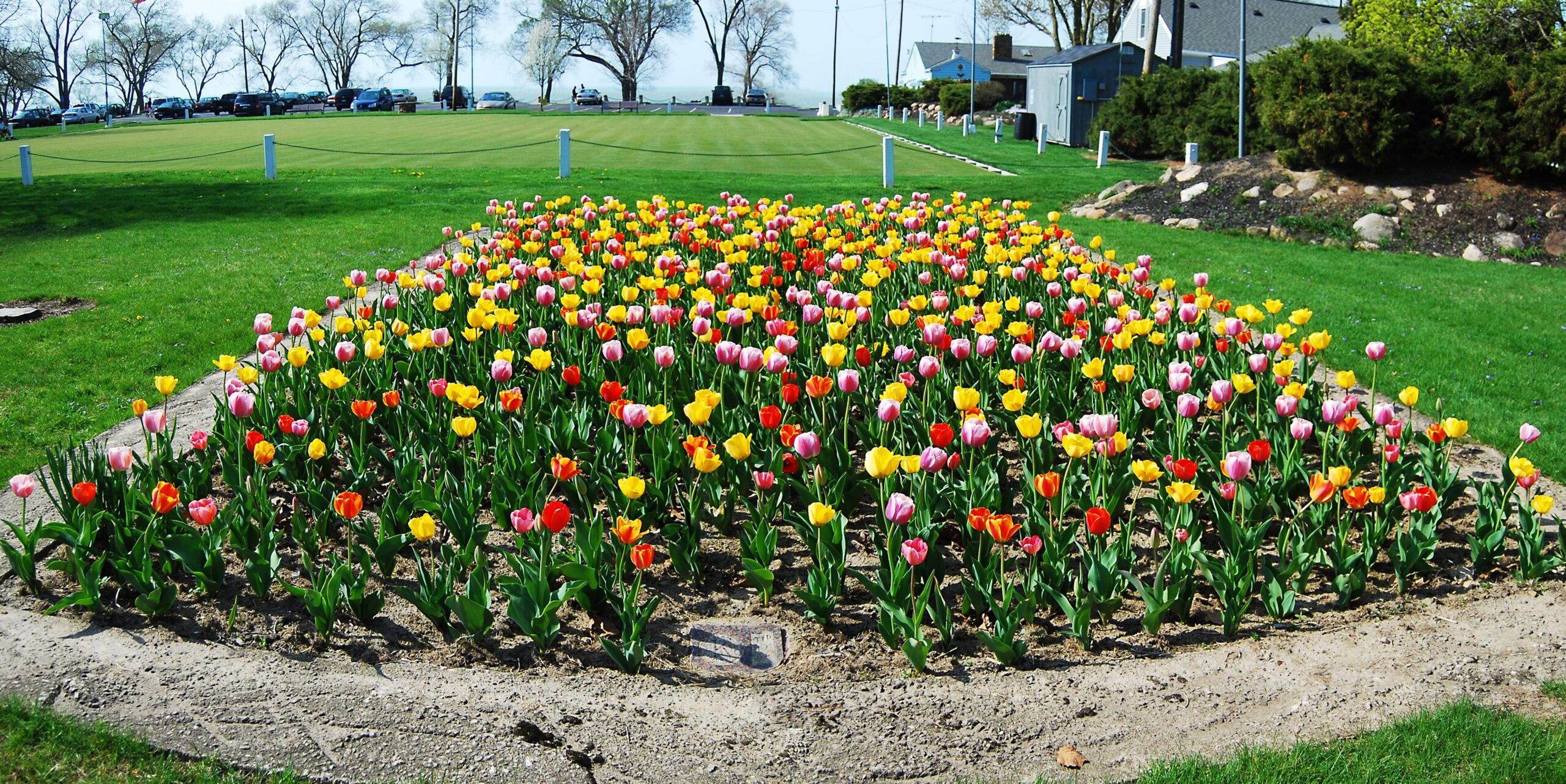
For gardeners who never got their tulips planted, Dhakal’s column says the bulbs can go in until the ground freezes. Once the soil has frozen, the guidance flips: spring bulb beds get a layer of mulch to moderate swings between warm and freezing days.
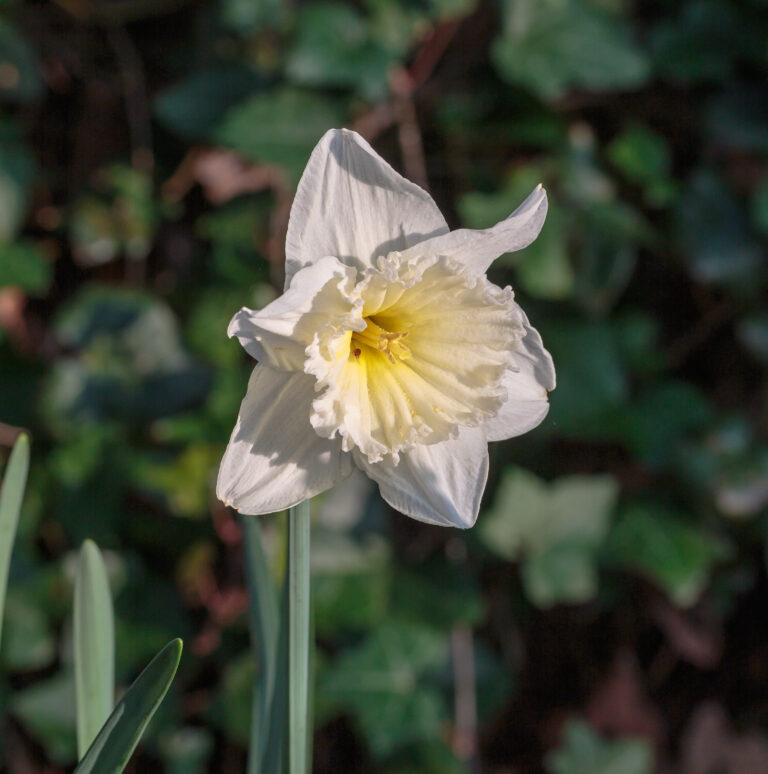
The reasoning comes down to chill. The column notes that hardy bulbs such as daffodils, hyacinths, crocus and muscari need about 10 weeks of chilling between 35 and 45 degrees Fahrenheit, whether that happens in a refrigerator or outdoors.
Planting depth and drainage decide whether the bulbs survive until then. In an Oct. 14 article from MU Extension, Geist and Trinklein advise setting bulbs at two to three times their own height, and note that soil draining at less than 1 inch per hour is unsuitable because bulbs sitting in soggy winter soil may rot. Compost, peat moss or other organic material can improve a heavy bed.
MU Extension’s November gardening tips make the same point about mulch timing, advising gardeners to plant spring-flowering bulbs in early November and to hold off on mulching them until the ground is frozen.
The bulb beds get one more job before the freeze. The column recommends fertilizing spring bulbs from mid-November to early December, using compost or a bulb-specific fertilizer.
The Rest of Dhakal’s November Checklist, From Evergreens to Strawberries
Roses and tulips are only part of the list. The column also tells gardeners to keep watering trees and shrubs, evergreens in particular, until the ground freezes, and notes that newly planted ones need the same attention. Fall planting is still possible while the soil can be worked, provided any ropes, wires or other nonbiodegradable materials come off the root ball and the planting is watered thoroughly.
Mulch around trees goes on in a donut shape instead of a "volcano" against the trunk. Tree guards or bark protectors guard against rabbits and other animals through the winter.
In the perennial beds, Dhakal’s column calls for removing frost-damaged foliage and spent flowers from hostas, daylilies and irises. Foliage with fungal disease should be thrown out instead of composted. Chrysanthemum stems and foliage stay standing through winter, with extra mulch added for protection. MU Extension’s fall cleanup article adds that herbaceous perennials get cut back to the crowns once they go dormant, usually after the first hard freeze.
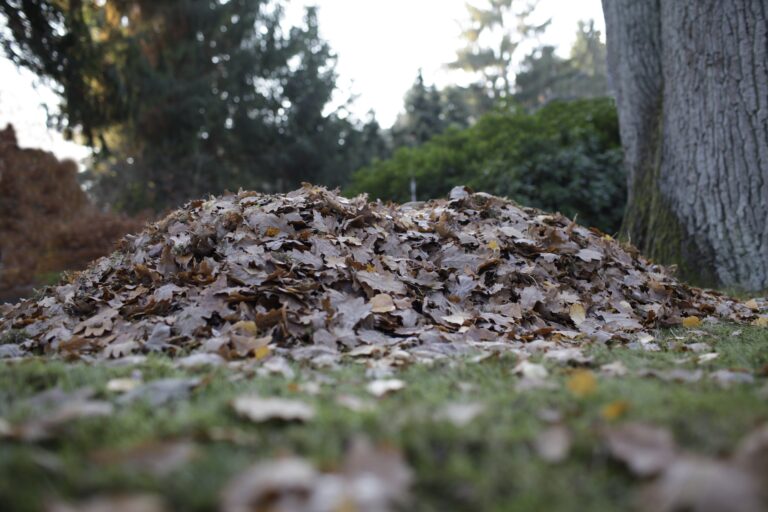
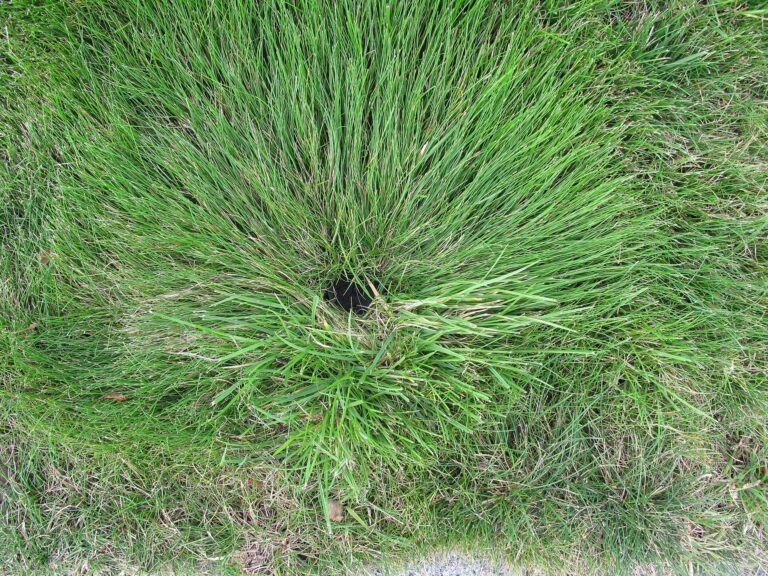
For lawns, the column advises keeping fallen leaves from lying in thick layers, which can smother turf and encourage disease. The leaves can be used as bed mulch or mowed into the grass. Cool-season lawns get a final fertilizer application, and mowing continues as long as the grass is growing.
The vegetable garden has its own deadline. Beds are tilled after harvest so overwintering insects are exposed to the cold, and strawberries are covered with a thick but loose layer of clean straw before temperatures reach the teens, according to the column. MU Extension’s November tips use a different trigger, saying to mulch strawberries with straw after several nights near 20 degrees, and to spread it loosely, just enough to hide the plants.
The column closes the outdoor list with soil testing in late fall, draining and storing hoses, shutting off outdoor water and cleaning and oiling hand tools, all of which can be done on a dry afternoon before the ground freezes.
This article was produced with AI assistance and edited for accuracy against the sources linked above.
Image: Rona Proudfoot / Wikimedia Commons, CC BY-SA 2.0