Seeds of Purple Coneflower, Black-Eyed Susan and Butterfly Weed Can Go Straight Into the Ground This Fall, Clemson’s Jennifer Weaver Says, Letting Winter Do the Chilling
Some seeds will not sprout until they have spent a stretch of time cold and damp, and sowing them in fall hands that job to the weather. Clemson Extension’s Home & Garden Information Center put the idea into its November 2026 garden calendar, published Nov. 6. Jennifer Weaver, who writes the Midlands section, said to “mimic nature’s cycle” by direct-seeding annuals and perennials in fall so the seeds meet the moist, cold conditions they need.
Her examples were butterfly weed, agastache, blackberry lily, purple coneflower and black-eyed Susan. Three of those, the coneflower, the black-eyed Susan and the butterfly weed, are common enough in home gardens that the advice can be put to work with a packet of seed and a patch of bare, sunny ground.
What the Midlands Section Puts in the Ground Now
Weaver’s November list is mostly about planting rather than putting the garden to bed. Besides the direct-sown seeds, she said to plant anemone, wood hyacinth, crocus and daffodil bulbs this fall. She also suggested fall planting of native trees, shrubs, perennials and ground covers, naming Franklin tree, arrowwood viburnum, little bluestem and mountain doghobble, and pointed out that many native plants offer strong fall color as well as flowers and fruit in other seasons.
The timing logic is the same across the section. Plants set out in fall have months of mild weather to root before summer heat arrives, and seeds scattered now sit through the winter without any help from the gardener. Weaver also said to water landscape plants and lawns during dry spells, a reminder that fall-sown seed and new transplants still need moisture even when the air is cool.
Butterfly Weed Needs the Cold Most
Of the three seeds in the headline, butterfly weed makes the clearest case for waiting on winter. The U.S. Forest Service’s wildflower page on butterfly weed says the seed needs about three months of cold stratification, so planting in autumn lets it germinate the following spring. The same page describes a plant that is easy to grow from seed but transplants poorly because of its deep, woody taproot.
That taproot is also why a seed packet is a better bet than a nursery pot. North Carolina State Extension’s Plant Toolbox entry lists seed and root cuttings as propagation methods and says gardeners should expect two to three years for seed-grown plants to establish and produce flowers. Once settled, the plant is best left undisturbed, and it reseeds itself if the pods are not removed.
The reward is a plant that stays modest in size, listed at 1 to 2 feet tall in that entry, and blooms from May to August in full sun, with partial shade tolerated. Its flowers supply nectar for many butterflies and pollinators, and the plant is a larval host for monarch, gray hairstreak, queen and milkweed tussock moth caterpillars. The entry also notes that deer tend to leave it alone.
Coneflower and Black-Eyed Susan Reseed Themselves
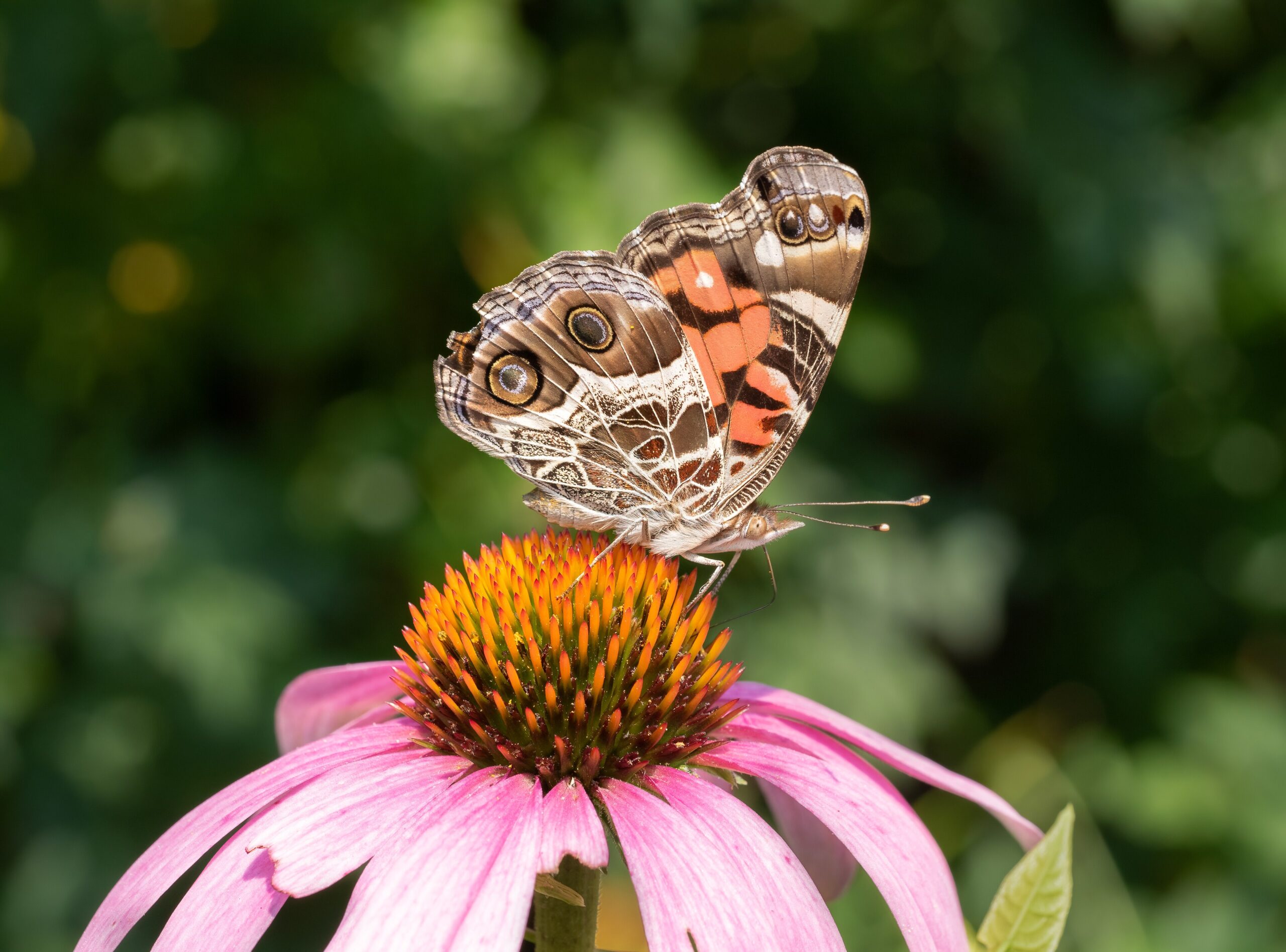
Purple coneflower and black-eyed Susan are the easier half of the trio. North Carolina State’s entry for purple coneflower calls it easily propagated by seed and says it reseeds itself in the garden. It grows 3 to 4 feet tall and 1 to 2 feet wide, takes full sun or partial shade, and blooms from June to August.
The same entry points out what a coneflower bed does beyond looking good. Bees, butterflies and other pollinators visit the flowers, and the plant hosts silvery checkerspot larvae. Songbirds, especially American goldfinches, eat the seeds, so the page recommends leaving some flower heads in place. Stem-nesting bees use the dead, hollow stems, and the page advises cutting stems back to 12 to 24 inches and letting them stand until they break down on their own.
For black-eyed Susan, the Plant Toolbox lists seed as the recommended way to propagate and says the plants freely self-seed. It grows 2 to 4 feet tall in full sun or partial shade, and it is described as a biennial or short-lived perennial that is often mistaken for an annual. That entry also notes that seed sown in early spring blooms in the first year, an option for gardeners who miss the fall window. Moderate fertility gives the best flowers, so it does not belong where lawn fertilizer runoff adds extra nitrogen.
Picking the Spot Before the Seed Goes Down
All three plants want six or more hours of direct sun, according to the extension entries, so the sowing site matters as much as the sowing method. Butterfly weed in particular dislikes being moved once its taproot has set, which argues for putting the seed where the plant can stay. A sunny bed with room for 3- to 4-foot coneflower stems fits the descriptions, and seed scattered on bare soil there meets the cold and damp the Clemson calendar describes.
Gardeners who already grow coneflower or black-eyed Susan have a second route to more plants. The Upstate section of the same calendar, written by Samantha Brown, suggests dividing and sharing perennials such as black-eyed Susans and purple coneflowers in fall, which turns an established clump into several new ones without waiting on seed.
Because coneflower and black-eyed Susan reseed, they can spread across a bed over several years, while butterfly weed stays a slow, steady clump. Leaving some seed heads and hollow stems standing through winter, as the Plant Toolbox entry for coneflower advises, lets the same planting feed goldfinches and shelter native bees while the seeds in the soil wait for spring.
This article was produced with AI assistance and edited for accuracy against the sources linked above.
Image: Rhododendrites – CC BY-SA 4.0/Wikimedia Commons