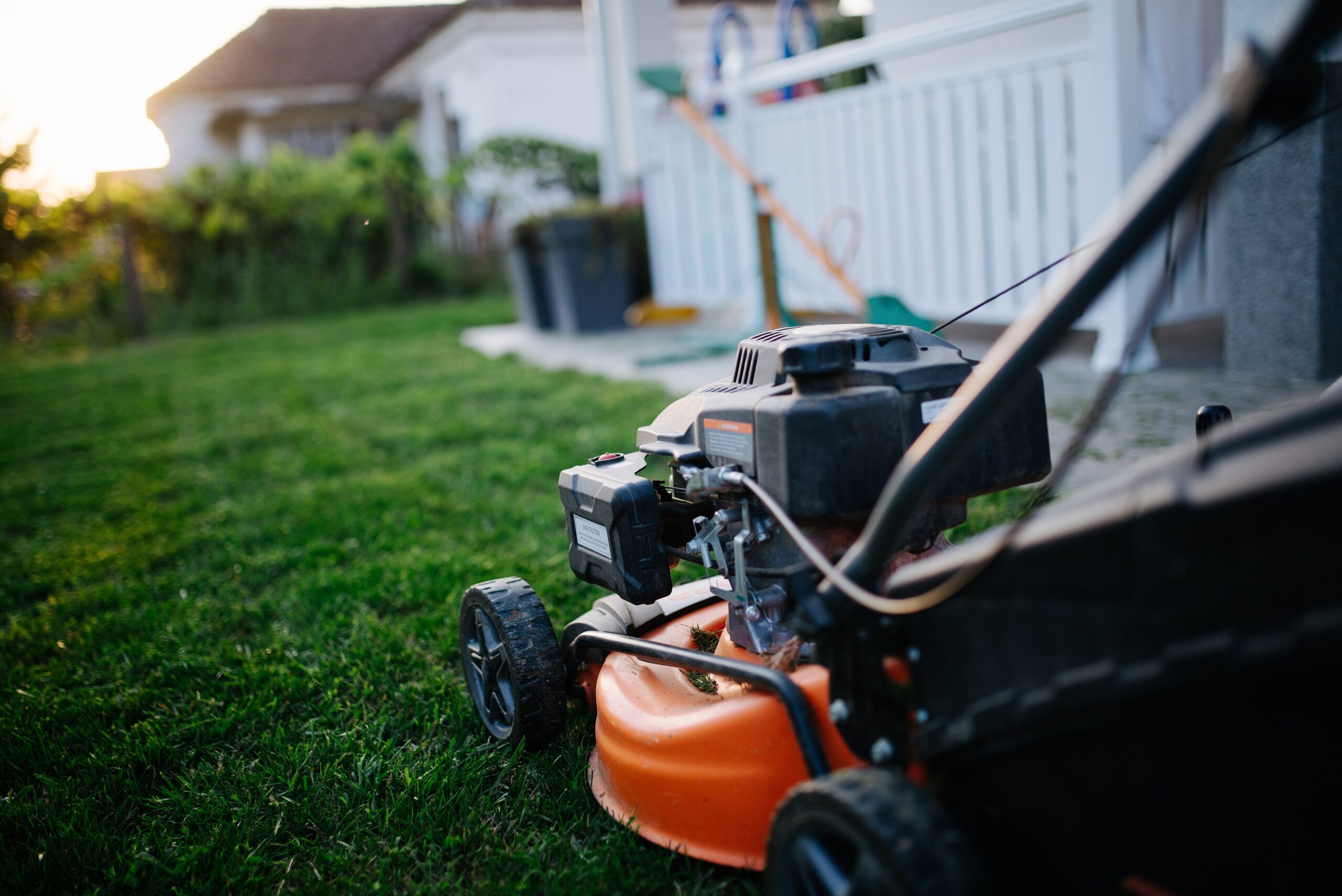
Utah State University Extension Horticulturist JayDee Gunnell Says the Year’s Final Mow Should Take Grass Down to 1 to 1.5 Inches
JayDee Gunnell, a horticulturist with Utah State University Extension, says a lawn that has not had its final mow of the year should be cut to 1 to 1.5 inches this November. The stated goal is to minimize disease problems, according to USU’s Ask an Expert column for November 2026, published Nov. 2.
The column phrases it as a single instruction, to cut the grass “to a height of 1 to 1½ inches to minimize disease problems.” It is one line in a longer list of November yard and garden chores from the extension.
How Low Gunnell Wants the Last Pass
The advice applies only to lawns that have not been mowed for the last time. Gunnell does not set a calendar date for that last pass in the column. The column names disease as the reason for the low cut and moves straight on to the other end-of-season jobs, from clearing vegetable beds to draining mower fuel.
The same column suggests applying a quick-release nitrogen fertilizer after the last mowing to encourage early green-up in spring. It gives no application rate or product.
How Other Extension Services Set the Final Height
Gunnell’s range is lower than most of what other extension programs publish, which makes it worth comparing. North Dakota State University Extension tells homeowners to make the final fall mowing at 2 inches, noting in a Dakota Gardener column on snow mold that taller grass is more likely to mat down and become infected.
The University of Minnesota’s Turfgrass Science program, in its Nov. 15, 2023 home lawn care newsletter, advises lowering the blade by 0.5 to 1.0 inch for the last mow, to a final height of about 2.0 to 3.0 inches. It says shorter grass going into winter helps reduce snow mold, and that mulching tree leaves or removing excess leaf litter can reduce spring disease pressure too. Mulched leaves return nutrients to the soil, support helpful microbes, help regulate soil temperature and can reduce weed germination, the newsletter says. A separate Turfgrass Science post from 2017 adds that lawns should keep being mowed until the grass stops growing, which it says helps reduce snow molds and winter damage.
Questions sent to the Ask Extension service show the same pattern. In an answer dated Nov. 9, 2025, an expert recommended a final cut at about 2 to 2.5 inches, and said that once top growth has essentially stopped, mowing should go down no more than one notch on the mower, roughly half an inch. The answer said that height can reduce snow mold, discourage voles and help grass tolerate cold.
HGTV’s Julie Martens Forney recommends leaving grass about 2 inches tall for the last cut of the year and mulching leaves with the mower until about 90% have fallen.
What Snow Mold Does to a Tall Lawn
The disease behind all of these numbers is snow mold. NDSU Extension describes gray snow mold as a fungal disease of turfgrass that shows up in spring as circular patches of matted, straw-colored grass. The white, cottony growth that appears on the lawn is a sign of the fungus and fades quickly.
According to NDSU, the disease is worst in years with early, long-lasting snow. Snow cover that stays moist at near-freezing temperatures lets the fungus thrive underneath, tall grass is more likely to become matted and infected, and late-season fertilizer makes turf more susceptible. Kentucky bluegrass, perennial ryegrass and tall fescue are quite susceptible, while fine fescue blends containing hard fescue tend to resist injury.
Once a lawn is affected there is no cure, the NDSU column says. It recommends lightly raking matted areas to improve air circulation, but waiting if the lawn is still muddy. Snow mold rarely kills turf crowns, and reseeding can fill in any patches that die. NDSU’s prevention list also calls for making the last fertilizer application around Labor Day or early September, not later, and for choosing more snow-mold-resistant grass types, such as fine fescue blends with hard fescue, when planting. NDSU Extension does not recommend a fall fungicide for home lawns, partly because the most effective turf fungicides are not legal for residential use.
USU Extension has its own guidance on the problem. In a 2008 article by Taun Beddes, USU Extension named pink and gray as the two common types of snow mold in Utah, both able to cause extensive damage, especially in shady areas where snow lingers. It advised mowing regularly into late fall once turf stops actively growing, because snow mold is worse in grass with longer blades. The article also advised applying fall fertilizer about six to eight weeks before the first fall frost, since later applications can make the problem worse.
The Rest of Utah State’s November Yard List
The mowing line sits among USU Extension’s list of November chores. Evergreen trees and shrubs should be watered so they go into winter well hydrated, though the column gives no amount. Irrigation systems should be blown out, and hoses disconnected from outdoor spigots to prevent freeze damage.
In the vegetable garden, vines, stems, leaves and other litter should be cleared after the final harvest. Perennials should be cut to the ground once the foliage dies so the roots can store energy for next year. Crowded perennials, or those dying in the center, can be divided into halves or thirds with a spade or garden fork.
Equipment gets its turn too. USU says lawnmowers and rototillers should be winterized by draining the gas or adding a fuel stabilizer, following the manufacturer’s recommendations. Garden tools should be cleaned and sharpened, then treated with oil or a rust-inhibiting product.
The column also points readers to USU Extension’s full list for putting the yard and garden to bed, its online gardening courses, which it suggests as a holiday gift, and the monthly Extension Gardener’s Almanac.
The fertilizer advice is the other lawn item on the list. Extension experts quoted by House Beautiful say cool-season lawns should keep getting nitrogen while warm-season lawns should skip it, a split laid out in coverage of late-fall lawn nitrogen. NDSU’s column adds that late-season fertilizer can make turf more susceptible to snow mold.
Get stories like this by email. Sign up for The Parent Diaries Letter.
This article was produced with AI assistance and edited for accuracy against the sources linked above.
Image: Shixart1985, CC BY 2.0, via Wikimedia Commons