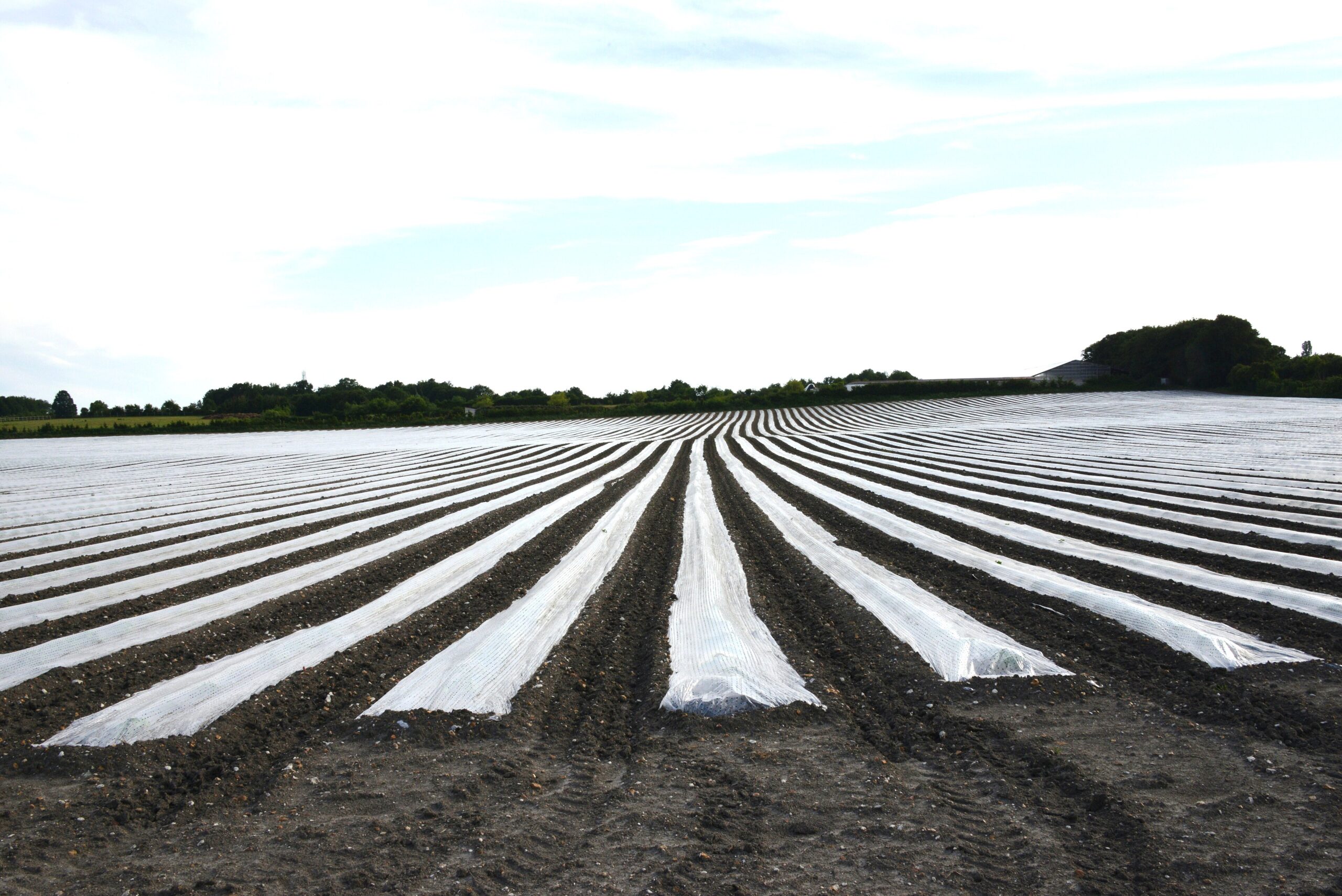
Iowa State’s Aaron Steil Says Frost Covers Stop Working Below About 28 Degrees and Should Be Propped Off the Leaves With Stakes or PVC Pipe
A bedsheet thrown over tomatoes or pansies on a freezing night helps only so far. Aaron Steil of Iowa State University Extension says frost covers stop working below about 28 degrees Fahrenheit, and that they should be propped off the leaves with stakes or PVC pipe so the fabric never rests on the foliage.
His advice comes from Iowa State’s guide to protecting plants from frost and freeze, which was updated on October 16, 2026 and last reviewed in October. It also lists which plants deserve a cover and which should be left to the cold.
Where a Cover Stops Helping
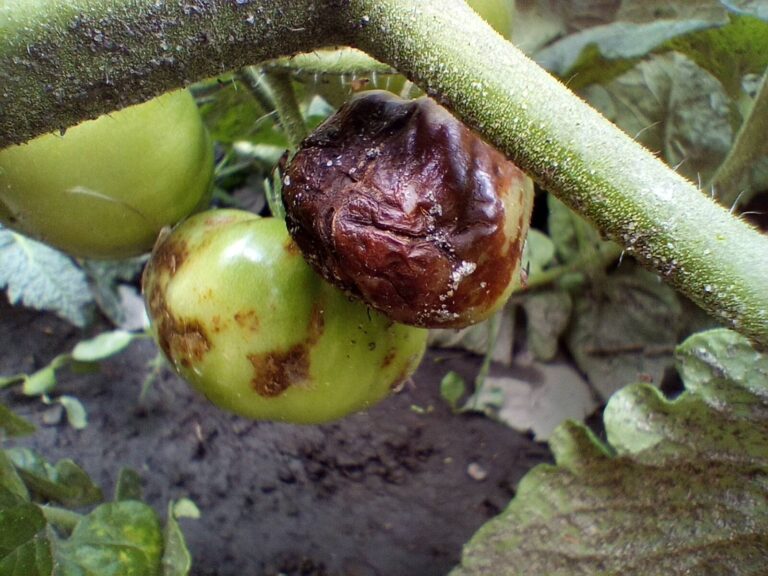
Steil separates frost from freeze. Frost forms ice crystals on leaves and can happen when the air is slightly above freezing, and the National Weather Service issues frost advisories for forecast lows of 33 to 36 degrees. A freeze means the air and the plant interior drop below 32 degrees, which damages cells and turns tissue brown or black.
For frost nights, the guide lists sheets, blankets, towels, tarps, frost fabric and row cover. Once the night gets below about 28 degrees, the guide says, covers stop working. The page adds a caveat on the other side of that line: freezing that lasts five hours or more can still cause damage at temperatures above 28 degrees.
Iowa State’s page also describes two kinds of cold night. An advection freeze arrives with a dry, cold air mass and stays windy. A radiation freeze happens on clear, calm nights as heat escapes upward.
Propping Fabric Up Instead of Laying It Down
The guide recommends raising covers on stakes, posts, PVC pipe, patio furniture, sawhorses or wire loops so they do not touch the plants. Covers come off the next day once temperatures are above freezing.
HGTV’s guide to protecting plants from frost, by Gloria Ballard and last updated in March 2026, lands in the same place from another direction. It warns that plastic sheeting touching foliage can do as much damage as no protection, and that heavy fabric weighed down by rain can crush plants. Her list of materials includes row cover cloth, old sheets and mattress pads, a hoop frame of sturdy wire or PVC pipe, garden cloches, and a gallon milk jug with the bottom cut out.
The same article says to remove covers, buckets and pots as the day warms so sunlight reaches the plants.
What Should Go Under the Sheet and What Should Not
Steil’s fall list is short: vegetables, annuals and outdoor tropicals. Potted tropicals and annuals can move into a heated room, porch or warm garage overnight.
Perennials, woody shrubs, roses and small trees are left alone. The guide says those plants need the cold to go dormant, so covering them works against the season.
Iowa State’s separate page on cold and freeze damage to garden plants, also by Steil, supplies the numbers for deciding how much a given crop can take. Hardy cool-season vegetables, including spinach, beets, kale, carrots, cabbage and Brussels sprouts, take little damage down to about 26 to 28 degrees. Tender cool-season crops such as radish, lettuce, chard and onion show minor damage at 32 degrees and usually recover in 7 to 14 days. Warm-season crops such as tomatoes, peppers and beans can see frost below 36 degrees, and freezing below 32 degrees damages them.
Cool-season annuals hold up better. Pansies, alyssum, snapdragons and ornamental cabbage often survive to 28 degrees, sometimes 25 degrees, according to that page.
Cold Frames and the Daytime Problem
A cold frame is a permanent version of the same idea. Steil’s cold frame guide describes a raised, bottomless box with a clear cover, sloped about 12 inches high in front and 18 inches in back, facing south with the north end against a house, garage or fence. It says fall crops started in late August or early September can be closed overnight as frost approaches, with harvest continuing into November in most seasons.
The warning there mirrors the one for fabric. The sash should be raised when the air inside reaches 85 degrees, and the cover closed before sunset. HGTV’s frost guide makes the same point, noting that a closed cold frame on a sunny day can overheat and burn plants.
Iowa State’s frost page repeats it for hoop tunnels and cold frames: open or remove them during the day and close them before temperatures fall below freezing.
Buying a Cover Versus Using What Is in the Garage
HGTV’s recent roundup of the best plant covers, written by Stacy Tornio and dated October 26, 2026, covers shrub covers with zipper and drawstring closures, floating row covers, blankets, a pop-up cone for roses, tent-style covers and cloches. Its FAQ says to cover plants in the evening before a sudden frost when temperatures are expected to drop below freezing.
The same page says gardeners in cold climates often leave covers on through winter, while those in milder regions use them mainly during cold snaps. Breathable covers can be watered lightly through, plastic ones should be lifted or removed before watering, and covers should be shaken clean, dried completely and stored somewhere cool and dry.
A related post on how most fall vegetables survive about 28 degrees reports a figure that lines up with Steil’s thresholds. His page says cool-season vegetables and annuals set out early can handle down to about 28 degrees, sometimes 26 degrees.
The practical order, then, is to watch the forecast for lows in the mid-30s, cover only the plants that need it, lift the fabric off the leaves, and take it off in the morning once the air is above freezing.
This article was produced with AI assistance and edited for accuracy against the sources linked above.
Image: Jean-Pierre Bazard Jpbazard – CC BY-SA 3.0/Wikimedia Commons