Someone Cut 66 Young Plants From Ziana Roziana’s Malaysian Garden, Left RM20 and a Note Saying ‘2nd Time Here,’ Then Claimed Defamation When She Posted It
Ziana Roziana checks on her garden in Pasir Mas, in the Malaysian state of Kelantan, as a matter of routine. Earlier this month she came home to find that someone had walked onto her property while she was out, cut 66 of her young plants and left behind two RM10 bills and a handwritten message. It stated that the writer had taken 66 plants and left RM20 in cash, and below that came a phone number and three more words: “2nd time here.”
She shared photos of the note on Facebook on Thursday, Nov. 5, and the post spread quickly. The Rakyat Post reported the next day that she had confirmed it was the second time the same person had taken plants from her compound, and that her home security camera had recorded the visit in high definition, including the person’s face and vehicle.
A Note Left Where the Plants Had Been
According to the outlet, Ziana said the person arrived while she was away, cut the plants, and left the note and the cash behind, as though the 66 plants had been bought rather than taken. She said the RM20 did not match what the plants were worth on the market.
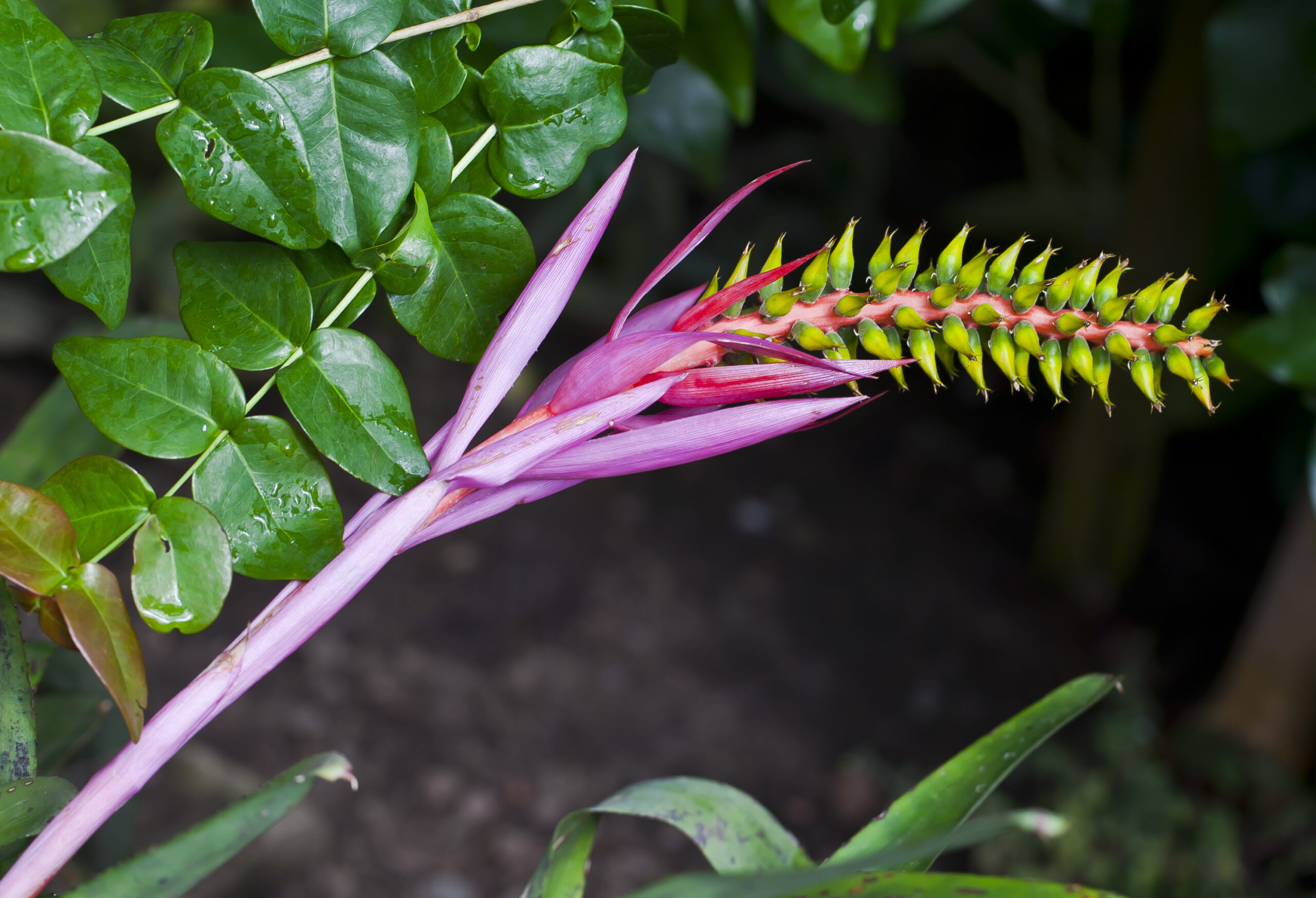
The outlet described the plants as young, cultivated plants. People who commented on her post cited bromeliads as an example of ornamental varieties that usually sell for far more than the price left on the notepad.
Then Came the Defamation Claim
The story took another turn after the post went viral. The Rakyat Post reported that the person who took the plants saw the post and messaged Ziana, claiming she had defamed them by showing the note in public.
Commenters overwhelmingly sided with the homeowner. Many argued that leaving a small amount of cash does not turn walking into someone’s yard and cutting their plants into a fair sale, since the owner never agreed to sell anything. Other plant lovers shared their sympathy, and some urged her to put up “No Trespassing” signs around the property.
The outlet said Ziana had not stated whether she had filed a police report at the time it published.
What Malaysian Law Says About Taking From a Garden
The Rakyat Post noted that entering a private compound and removing property without the owner’s explicit consent is an offence, even when cash is left behind. Two sections of Malaysia’s Penal Code (Act 574) deal with the two halves of what Ziana described.
Under section 441, a person commits criminal trespass when they enter “into or upon property in the possession of another with intent to commit an offence,” or to intimidate, insult or annoy the person in possession of it. Section 447 sets the punishment at imprisonment of up to six months, a fine of up to 3,000 ringgit, or both, according to the code’s reprint as at Jan. 1, 2015, hosted by Cornell Law School. A footnote there says the maximums were raised from three months and 1,000 ringgit by an amending act.
Theft is covered by section 378 of the code, as published in a version hosted by the United Nations Office on Drugs and Crime, which describes taking movable property “dishonestly” out of a person’s possession without consent. One of the code’s own illustrations involves a garden: a person who “cuts down a tree on Z’s ground, with the intention of dishonestly taking the tree out of Z’s possession” is listed as an example of the offence. Section 379 sets the penalty for theft at up to seven years in prison, a fine, or both.
No charges have been reported in Ziana’s case, and the person in the CCTV footage has not been publicly identified. Whether a few ringgit left on a notepad would change anything in the eyes of police or a court has not been tested here.
Ornamental Plants Carry Real Value in Pasir Mas
The district is no stranger to the trade in ornamental plants. Malaysia’s General Operations Force has intercepted lorries carrying them through Pasir Mas more than once. In one operation, the force seized 8,000 Pandanus saplings and 138 Heliconia saplings valued at RM2.64 million in Kampung Gual Tinggi, saying the plants were suspected of being brought into the country without valid documents. The 26-year-old driver was arrested under section 5 of the Plant Quarantine Act 1976, and the driver and the plants were handed to the Kelantan Agriculture Department, which was to carry out a health analysis of the seized saplings. The force’s Southeast Brigade commander, Datuk Nik Ros Azhan Nik Ab Hamid, said the plants were believed to be at risk of carrying harmful insects and diseases.
In another case near Pos Pok Teh Kana, the force said it stopped a lorry carrying 3,700 plants, including 2,000 bamboo saplings, 1,000 banyan trees, 500 round bonsai and 200 bougainvillaea plants, worth an estimated RM870,000 including the vehicle. The bonsai and bougainvillaea were seized over suspected pests and diseases, according to the report, which was credited to the national news agency Bernama.
Those seizures involve commercial loads, not a homeowner’s front yard. They do show why a gardener in the area might see 66 young ornamental plants as worth far more than two RM10 notes.
A Familiar Fight Over Who Owns a Garden’s Plants
Gardeners elsewhere have dealt with their own versions of this. One homeowner described having her first Christmas garden display stolen days after moving in, and a community gardener called police after watching produce disappear from several plots.
What set the Pasir Mas case apart was the paper trail the visitor left. The note gave a count, a price, a phone number and an admission of a previous visit, and the camera captured a face and a vehicle. Ziana’s garden is now short 66 plants, and the person who took them has made clear they have been there twice.
This article was produced with AI assistance and edited for accuracy against the sources linked above.
Image: Diego Delso – CC BY-SA 3.0/Wikimedia Commons