Gardener Says Her Aunt Spent the Holiday “Organizing” the Greenhouse, Now Every Handwritten Plant Label From a Decade of Growing Is Gone
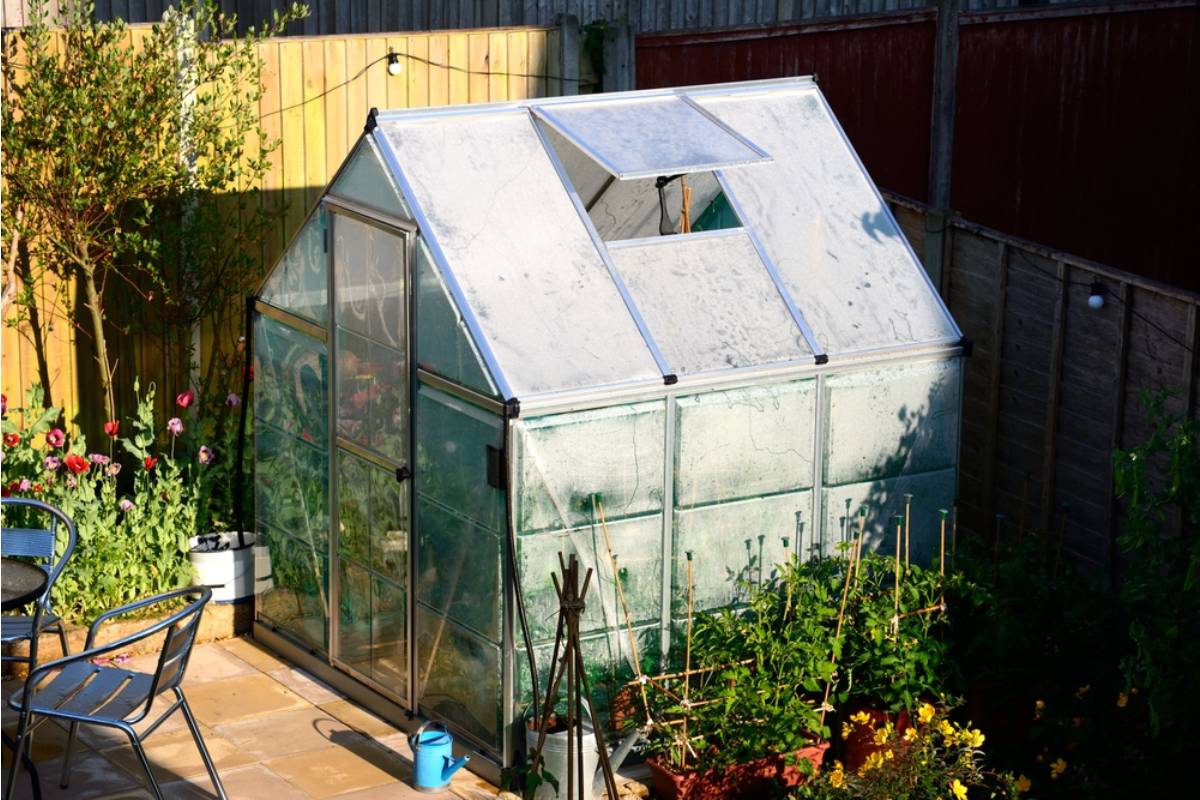
For more than ten years, my greenhouse had been my favorite place to escape. It was where weekends disappeared without me noticing, where tiny seedlings became thriving plants, and where every shelf held memories tied to a particular season.
Visitors often laughed at the hundreds of handwritten labels tucked into pots and trays because they looked old, faded, and mismatched. I never replaced them because each one told part of a story that no printed tag ever could.
During our family holiday gathering, my aunt offered to help tidy the greenhouse while everyone else prepared dinner inside. I thanked her without thinking twice because I believed organizing meant putting things in order, not erasing years of carefully recorded history.
Every Label Had a Story Behind It
I never used expensive plastic markers from garden stores. Instead, I cut strips from old blinds, recycled plant stakes, and even popsicle sticks. Every label was written by hand with the date, variety, and sometimes a short note about where the seeds came from.
Some labels simply read, “Grandpa’s tomatoes, saved 2017.” Others carried reminders like, “Best blooms after afternoon shade,” or “Seeds shared by Mrs. Wilson.” Those tiny notes became my gardening journal without ever needing a notebook.
Years of Care Filled Every Shelf
Over the years, I collected unusual herbs, heirloom vegetables, orchids, native flowers, and fruit seedlings. Friends traveling across the country often returned with seeds from botanical gardens or family farms.
Whenever someone gifted me a plant, I wrote their name on the label. Looking around the greenhouse felt like walking through a scrapbook where every pot represented a relationship as much as a growing plant.
Holiday Preparations Kept Everyone Busy
That Thanksgiving weekend, my house was full of relatives.
Some people cooked, others watched football, and several children ran between the backyard and living room playing games. My aunt Carol had always loved organizing closets and storage rooms, so she asked if there was any place she could straighten up while everyone stayed busy.
I casually mentioned the greenhouse because I thought she would sweep the floor or wipe down a few shelves.
A Greenhouse That Looked Different
After dinner, I wandered outside hoping to show my younger cousins how the winter seedlings were coming along.
The greenhouse immediately looked brighter than usual.
Every bench had been wiped clean. Pots lined up in perfect rows. Trays sat neatly grouped by size.
For one brief moment, I thought Carol had done a wonderful job.
Then I noticed something missing.
The Empty Pots Made No Sense
I picked up a tray of peppers and froze.
Every handwritten label had disappeared.
The tomatoes beside them had no names either. My orchids looked identical because the identifying markers were gone. Even propagation trays containing tiny seedlings had become anonymous rows of green leaves.
A cold feeling settled in my stomach.
My Aunt Smiled Proudly
Carol walked into the greenhouse carrying a fresh watering can.
She looked around with satisfaction and asked, “Doesn’t everything look so much cleaner now?”
I quietly asked where all the labels had gone.
She laughed and pointed toward the outdoor trash bin.
“They were old, faded, and made everything look cluttered.”
Panic Replaced Confusion
I rushed to the trash bin hoping she had simply bundled the labels together.
Instead, I found torn paper towels, food containers, wrapping paper, and dozens of broken wooden stakes mixed throughout the holiday garbage.
Rain from the previous evening had soaked everything.
The ink on many labels had already started bleeding into unreadable smudges.
Ten Years Disappeared in Minutes
I sat on the driveway sorting through wet trash with shaking hands.
Some labels fell apart as I touched them.
Others had become completely blank because permanent marker was never truly permanent after years in sunlight and moisture.
My cousin Megan quietly joined me without saying a word.
Together we tried rescuing anything we could still read.
My Family Finally Understood
Several relatives stepped outside after noticing the commotion.
At first, they seemed confused about why I cared so much over a handful of old plant markers.
Then I explained what each label actually represented.
Without those notes, I no longer knew which tomato carried seeds from my grandfather’s final harvest. I could not identify which orchid came from my mother’s retirement gift or which peppers had been selectively saved for five generations.
The greenhouse suddenly looked organized, but it had lost its memory.
An Unexpected Discovery
While searching through one shelf, Megan noticed a faded notebook tucked behind a stack of seed trays.
I had forgotten all about it.
Years earlier, I occasionally copied label information into the notebook whenever I experimented with crossbreeding flowers. It was incomplete, but it listed many varieties along with rough greenhouse locations.
For the first time all evening, I felt a small sense of hope.
Rebuilding the Collection
Over the next several days, I compared the notebook with old family photographs.
Birthday pictures, gardening selfies, and holiday snapshots accidentally captured labels in the background.
By zooming into hundreds of old phone pictures, I slowly identified dozens of plants that had lost their names. Some labels appeared clearly enough that I could rewrite them exactly as they had been.
It became an unexpected detective project.
Carol Saw the Consequences
My aunt visited again the following weekend.
Instead of defending herself, she watched me spend hours studying old photographs just to identify one row of seedlings.
She finally realized organizing without understanding the system had created weeks of unnecessary work.
“I thought I was helping,” she said quietly.
“I know,” I answered. “But you organized appearances instead of information.”
Those words stayed with both of us.
A Better Labeling System Emerged
Once I recovered as much information as possible, I decided never to rely on handwritten stakes alone again.
Every plant received a waterproof label along with a matching number linked to a digital spreadsheet and printed garden journal. I also photographed every greenhouse bench at the beginning of each season.
The handwritten notes remained, but they now had backups in several different forms.
If another label disappeared, the story behind the plant would not disappear with it.
A Holiday Tradition Changed
The following Thanksgiving, my family gathered at my house again.
Before dinner, several nieces and nephews asked whether they could help in the greenhouse.
Instead of cleaning, we spent the afternoon creating decorative plant markers together. Everyone wrote messages, dates, or family names on new cedar stakes using weather resistant pens.
Even Carol joined us.
This time she carefully asked before moving a single pot.
More Than Ink on Wood
Today, visitors still notice the handwritten labels before anything else. Some are new, while others are carefully preserved originals that survived the cleanup. They no longer look messy to me. They look alive because every faded word represents a person, a season, or a lesson learned through years of growing.
Whenever someone offers to organize the greenhouse, I smile and explain that every label belongs exactly where it is until I decide otherwise. Plants can often be replaced with enough patience, but the stories attached to them are much harder to recover. That holiday reminded my entire family that the smallest objects often protect the biggest memories, and sometimes what looks like clutter is actually the record of a life lovingly cultivated one season at a time.