Gardener Says Her Neighbor Called Her Wildflower Patch “Neglected” for Three Years, Then Asked to Take Cuttings the Moment It Won a Local Beautification Award
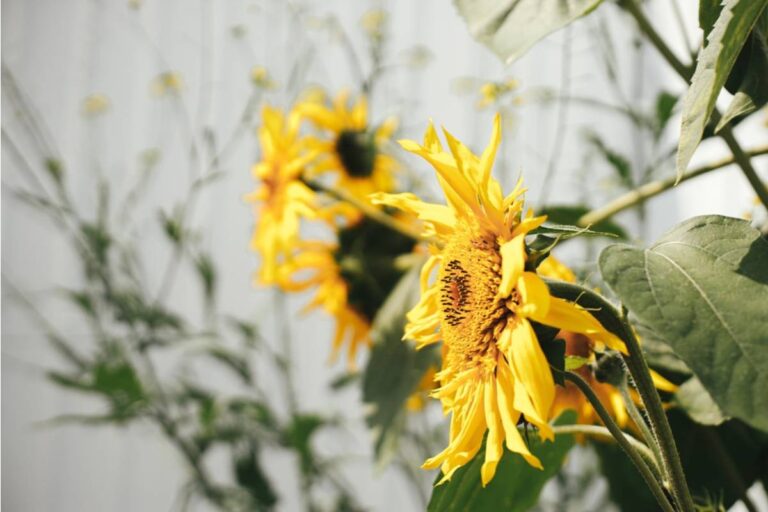
For three years, the small patch of land beside my front porch became the subject of quiet gossip around the neighborhood. While most homeowners kept perfectly trimmed lawns with matching shrubs, I spent my weekends planting native wildflowers that changed with every season.
The area looked different from traditional landscaping because I let plants reseed naturally instead of forcing every inch into straight lines. Some neighbors admired it, but one neighbor made sure I heard exactly what she thought. She called it messy, neglected, and embarrassing for the street every chance she got. I never imagined those same flowers would eventually become the pride of the entire neighborhood.
The First Complaint Came Before the Flowers Even Bloomed
Only a few weeks after I started planting, my neighbor Linda walked over while I was kneeling in the dirt. She looked at the tiny sprouts and asked if I planned to clean up the weeds before summer arrived. I smiled and explained they were native flowers that would bloom at different times throughout the year.
She shook her head with obvious disbelief. “People spend good money keeping yards neat,” she said. “This just looks abandoned.” I thanked her for the opinion and continued planting without arguing, hoping that time would prove my point.
Every Season Brought Another Criticism
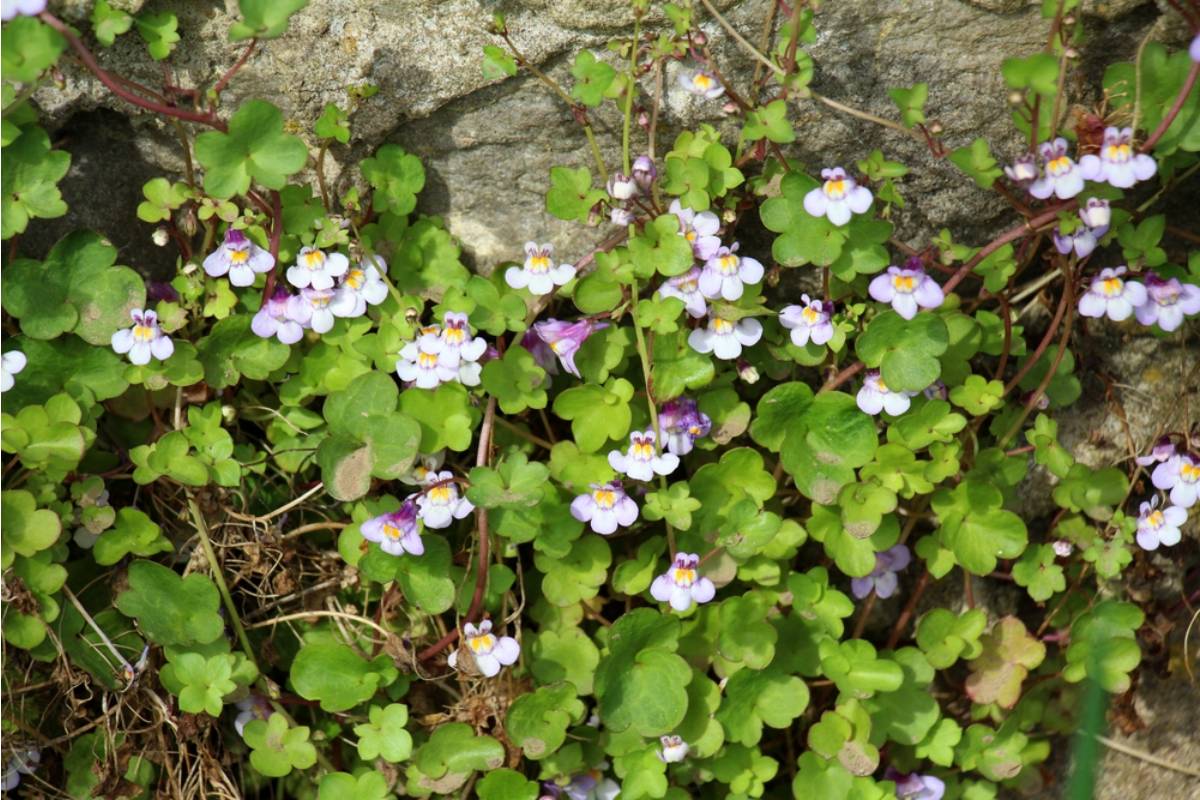
As the months passed, the patch grew taller and more colorful. Butterflies appeared first, followed by bees, hummingbirds, and songbirds that had rarely visited our street before. Children walking home from school often stopped to look at the flowers because something new seemed to bloom every week.
Linda saw something completely different. Whenever she passed my house, she found another reason to complain. One week she claimed the flowers made the neighborhood look unkempt. Another week she insisted the plants were lowering property values even though nobody else seemed bothered.
The Homeowners Association Took a Look
Eventually Linda filed a complaint with the homeowners association. I received a letter asking whether the landscaping complied with community guidelines. Instead of becoming defensive, I invited the inspection committee to visit the property in person.
When they arrived, I explained which flowers were native to our state and why I avoided pesticides. The committee members watched bees moving from blossom to blossom and admitted the area was well maintained despite its natural appearance. A few days later I received another letter confirming that no rules had been violated.
Curious Neighbors Started Asking Questions
After the association dismissed the complaint, more neighbors began approaching me for advice instead of criticism. They wanted to know why so many butterflies gathered in one corner of the block. I explained that native flowers provide food and shelter that many imported decorative plants do not.
Several families thanked me for sharing the information. One elderly couple even planted a small section of native flowers beside their mailbox after seeing how much wildlife my garden attracted. Little by little, opinions around the neighborhood started changing.
Linda Refused to Change Her Mind
Despite everyone else becoming more interested, Linda remained convinced I was doing something wrong. She often stood in her driveway watching me work before making another sarcastic remark. “You could save yourself a lot of effort by mowing all of that down,” she joked one afternoon.
I simply smiled and kept watering the newest plants. I had learned that arguing rarely changed anyone’s opinion. Letting the garden speak for itself felt like the better response.
An Unexpected Visitor Changed Everything
One Saturday morning a woman carrying a camera introduced herself as a volunteer with the town beautification committee. She explained that several residents had nominated my property because it supported pollinators while remaining attractive throughout the year.
She spent nearly an hour photographing flowers, butterflies, and birds. Before leaving, she thanked me for demonstrating that beautiful landscaping could also benefit local wildlife. I appreciated the compliment but assumed nothing more would come from the visit.
The Announcement Surprised the Entire Street
Several weeks later, a letter arrived inviting me to the town council meeting. During the event, officials announced that my garden had received the annual neighborhood beautification recognition for promoting native landscaping and environmental stewardship.
I was genuinely shocked. The audience applauded while photos of the flowers appeared on a screen behind the speakers. Even people who had never visited my neighborhood seemed impressed by how the garden had transformed an ordinary front yard.
The Loudest Critic Suddenly Became Friendly
The following afternoon, Linda walked across the street carrying the biggest smile I had ever seen on her face. She congratulated me warmly and said she had always admired how colorful the flowers looked. The sudden change in attitude felt almost unbelievable.
Then she asked if she could take several cuttings from my garden because she wanted to create “something similar” in her own yard. For a moment I honestly wondered if she was joking.
A Difficult Decision at the Garden Gate
I looked at the flowers and then back at Linda. Part of me wanted to remind her of every comment she had made over the previous three years. Another part of me remembered why I started growing native plants in the first place.
Instead of answering immediately, I asked whether she truly wanted to learn about maintaining them. She hesitated before quietly admitting that the award had made her realize she might have judged the garden too quickly.
An Honest Conversation Cleared the Air
We ended up talking for nearly an hour beside the flower beds. Linda admitted she had grown up believing every attractive yard had to look perfectly trimmed. Anything natural had always seemed neglected to her because that was what she had been taught.
I explained that healthy ecosystems often appear less orderly than decorative landscaping. Once she understood the purpose behind the design, she began noticing details she had overlooked before, including the number of pollinators visiting the flowers each day.
The Neighborhood Began Planting Together
That fall, several neighbors organized a weekend planting event. Families shared native seeds, exchanged gardening tips, and helped each other prepare small pollinator gardens. Children eagerly dug holes while grandparents explained which flowers had grown in the area decades earlier.
The event felt less like a landscaping project and more like a community celebration. People who had barely spoken before were laughing together while planting flowers that would bloom for years to come.
A Surprise Hidden Inside an Old Envelope
As I sorted through my seed collection before the planting event, I found an envelope I had forgotten about. It contained seeds given to me by my late grandfather, who had loved wildflowers long before native gardening became popular. His handwritten note encouraged me to “leave room for nature to surprise you.”
I planted those seeds along the back edge of the garden. Months later they produced vibrant blooms that quickly became one of the most photographed sections of the yard.
Recognition Brought More Responsibility
After receiving the award, local schools and gardening clubs occasionally asked if they could visit the garden. Instead of simply showing people colorful flowers, I explained how small choices could help birds, butterflies, and bees thrive in suburban neighborhoods.
Those conversations became the most rewarding part of the experience. Watching people leave inspired to plant even one native flower felt more meaningful than receiving any plaque or certificate.
The Garden Became a Place Everyone Shared
The following spring, Linda returned carrying a tray of young plants she had successfully grown from seeds I had shared with her. She proudly pointed out the first butterfly that landed in her own yard and laughed at how excited she felt over something she once dismissed.
Looking across the street, I realized the neighborhood had changed in ways that went far beyond landscaping. The flowers had started conversations, repaired relationships, and reminded everyone that beauty sometimes looks unfamiliar before people learn to appreciate it. What began as one small patch of wildflowers had quietly grown into something the entire community could enjoy together.