Homeowner Says a Thirty-Year-Old Pine Tree Finally Crashed Into Her Flower Garden, Then Her Neighbor Wanted the Stump Removed Through Her Carefully Built Landscaping
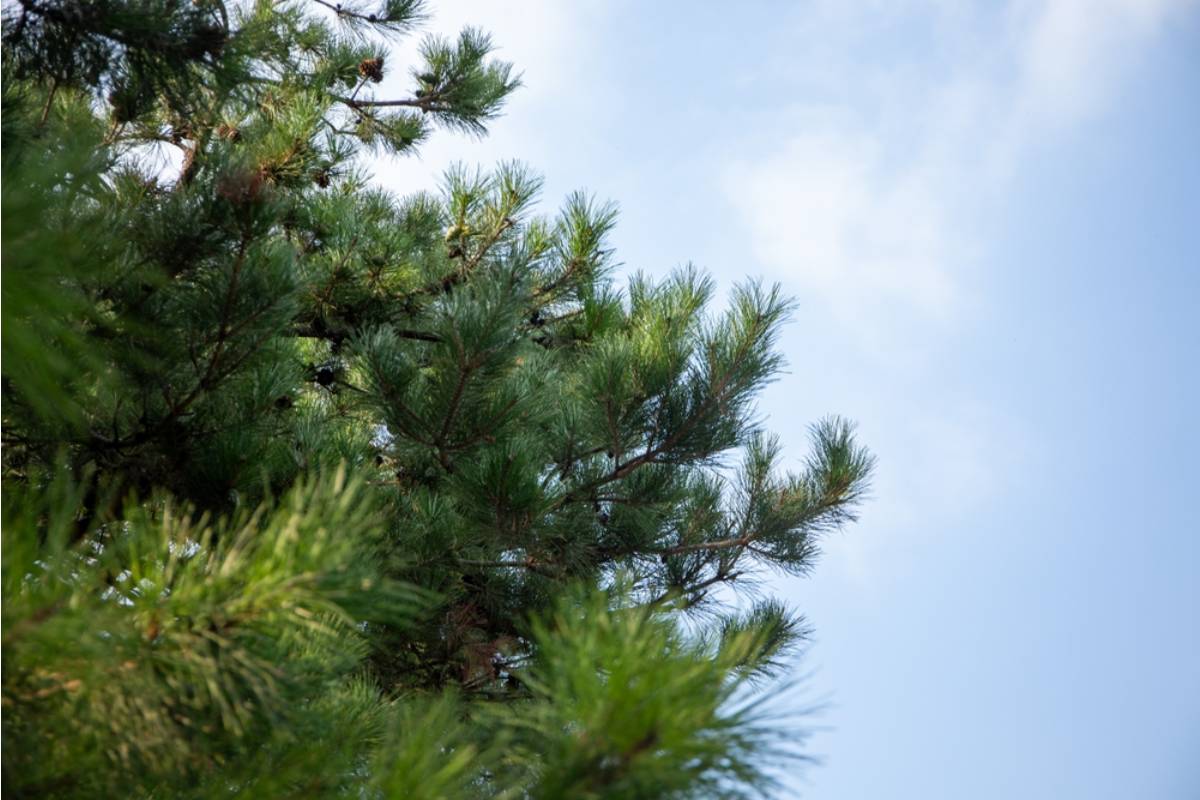
A person shared his story about a pine tree that had stood along his property line for roughly thirty years. The neighbor had planted it long ago, apparently without giving much thought to how large it would eventually become or where its branches and roots would spread. Over the decades, the tree gradually expanded onto the homeowner’s side of the garden.
For years, it was simply an awkward landscaping feature along the boundary. Then a series of powerful Midwest storms finally brought the situation crashing down, quite literally. The enormous tree toppled completely onto the homeowner’s property and left a messy trail through the garden.
The Flower Garden Took the Hit
The fallen tree did not exactly leave the garden looking ready for a weekend garden tour. Its roots were pulled upward, surrounding soil was disturbed, and sections of the flower garden were damaged in the process. The homeowner later explained that the garden had looked much nicer before the tree uprooted everything.
Still, he seemed willing to accept that some of the destruction was simply the result of the storm. Nature had done the damage, and there was little point blaming anyone for that particular part. The real disagreement began after the tree itself had already been removed.
He Decided to Handle the Tree Himself
Rather than waiting around for weeks, the homeowner removed the fallen tree himself. He said he wanted to save himself the headache and avoid dealing with a possible four-week wait for someone else to take care of it. It was a practical decision that cleared a huge obstacle from the garden.
The only thing left was the stubborn stump and the raised roots. That sounded like a job for a stump grinder, and fortunately, the neighbor was willing to pay for that part of the cleanup. For a moment, it appeared that the two homeowners might actually wrap up the entire tree saga without another argument.
Then the Neighbor Chose the Wrong Entrance
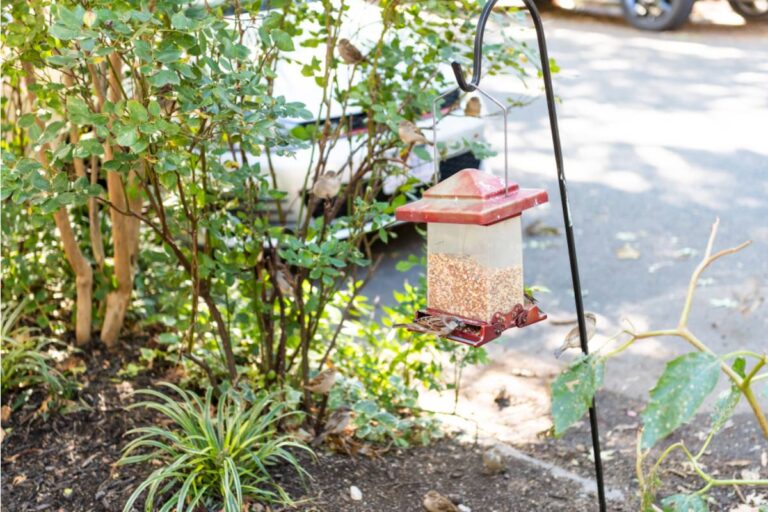
The neighbor arranged for a contractor to grind the stump, but there was an unusual condition attached. Instead of having the contractor enter through the neighbor’s own yard, he insisted that the machinery come through the homeowner’s front garden. That meant the homeowner would need to remove a section of flagstone and move a birdhouse before the work could begin.
The homeowner was understandably unhappy with that demand. He had already dealt with the fallen tree and cleaned up the mess, so being told to dismantle part of his own landscaping felt like adding another chore to the bill. Even worse, he knew exactly what a stump grinder could do to a lawn.
Stump Grinders Are Not Exactly Gentle
Anyone who has watched a stump grinder work knows that the machine does not glide across a garden like a wheelbarrow. It is heavy equipment that can chew through wood and send chips flying in every direction. The homeowner had previously seen the kind of mess these machines can leave behind.
That made the idea of bringing one through the front yard particularly unpleasant. His flagstone, flower beds, lawn, and decorative features had all been arranged for a reason. Asking him to dismantle part of that setup simply to protect the neighbor’s lawn did not feel like a small favor.
The Access Excuse Raised Questions
The neighbor claimed that the contractor could not enter through his property because the available gap was too narrow. The homeowner estimated that the opening between some small trees and a large wooden firewood holder was around three and a half feet wide. According to the neighbor, that was not enough room for the grinder.
But there was one detail that made the explanation less convincing. The contractor admitted that he had not really examined the access route very carefully and had simply assumed that the homeowner’s property would be the easiest way in. Suddenly, what sounded like an unavoidable equipment problem began to look more like an assumption made for convenience.
His Own Lawn Was Apparently Too Precious
The neighbor’s other reason was even more straightforward. He did not want his own lawn damaged, so he preferred the contractor to enter from the homeowner’s side instead. That meant the homeowner would absorb the landscaping disruption while the neighbor’s yard remained protected.
The arrangement left the homeowner staring at a rather strange choice. Either he could dismantle his own landscaping and potentially deal with tracks, woodchips, and disturbed ground, or he could refuse and risk having the stump remain for an unknown amount of time. Neither option was especially appealing.
He Drew a Line at the Front Yard
Eventually, the homeowner contacted the contractor directly. He explained that the contractor did not have permission to enter through the front of his property, making it clear that access could not simply be assumed. He also asked the contractor to meet with him before the work started so that the situation could be discussed properly.
The contractor agreed to meet, although the homeowner remained skeptical about whether that meeting would actually happen. After all, the contractor had already admitted that he had not carefully inspected the neighbor’s side. That did little to inspire confidence that the access problem had been fully solved.
The Property Line Was Already Complicated
There was another wrinkle hiding behind all of this. The homeowner said the neighbor had landscaping made of stone that appeared to extend two or three feet onto his property. The stone-lined landscaping reportedly ran for much of the length of the boundary.
That detail made the stump disagreement feel like more than a simple argument over equipment access. The neighbor’s tree had been planted on the boundary, its landscaping apparently crossed onto the homeowner’s side, and now the neighbor wanted access through the very property where some of that encroachment existed. Suddenly, the garden dispute had turned into a much bigger property-line puzzle.
Then Came the Birdhouse Problem
The homeowner was particularly annoyed by the demand that he remove his birdhouse and parts of his flagstone. Those features were not temporary clutter sitting around waiting to be moved. They were part of the garden he had deliberately created and maintained.
A response from a person suggested that there was nothing petty about refusing to dismantle personal landscaping for someone else’s convenience. Another response pointed out that the neighbor had planted the tree and should therefore be willing to deal with the consequences. That seemed to capture the homeowner’s frustration perfectly.
Someone Had a Rather Creative Garden Idea
Amid all the serious advice, one response from a person offered a much more playful solution. They suggested cutting the stump down lower and turning it into a feature, perhaps with a birdbath or a pot of flowers sitting on top. Instead of seeing the leftover stump as an eyesore, the homeowner could potentially make it part of the garden.
Other responses liked the idea and imagined birds happily ignoring the entire property dispute. It was a funny suggestion, but it also showed how quickly a frustrating garden problem can become an opportunity for creativity. A stubborn stump does not always have to be the villain of the story.
The Garden Could Become a Boundary
Some responses suggested a more strategic approach. They recommended having the property line professionally surveyed and clearly marked before doing anything else. That would establish exactly where the homeowner’s land ended and where the neighbor’s landscaping supposedly crossed over.
Once the boundary was confirmed, the homeowner could make future garden decisions with much greater confidence. A fence along the property line was another popular suggestion because it could prevent similar confusion in the future. Suddenly, the stump was beginning to look like only one chapter in a much longer landscaping dispute.
The Contractor Became the Wild Card
The homeowner’s biggest concern was not simply whether the contractor could remove the stump. It was whether the contractor would arrive with a machine and assume permission to travel across the garden without fully understanding where he was allowed to go.
A response from a person who had experience around tree-removal work warned that stump grinders can leave ugly tracks through grass. Another response suggested putting any agreement about access and potential damage in writing before allowing the equipment anywhere near the garden. That would at least make the expectations clear before the machine started chewing into the stump.
He Wasn’t Refusing the Stump Removal
Importantly, the homeowner did not appear to be against removing the stump itself. He was frustrated by being given what felt like an ultimatum: either dismantle his landscaping and allow access, or live with the stump and raised roots. He had already removed the fallen tree, so he felt he had done more than enough to resolve the aftermath.
The disagreement was really about who should absorb the inconvenience. The neighbor wanted the tree problem solved without damaging his lawn, while the homeowner wanted his own garden protected from the consequences. That small distinction was what transformed a routine stump-grinding job into a full-blown neighborhood dispute.
The Twist Was Already Sitting in the Garden
The funniest part of the story may be that the homeowner’s own flower garden became an accidental witness to the entire argument. The tree had already disturbed it once, and now the neighbor wanted heavy machinery brought across the same property. What began with a thirty-year-old pine tree ended with questions about stones, fences, flagstones, birdhouses, lawns, and property boundaries.
In the end, the homeowner was left wondering whether refusing the access request made him petty. The responses from people largely disagreed, although a few thought allowing access once and then building a fence afterward might be the easiest solution. Either way, the old pine tree had clearly planted more than roots along the property line, because decades later, it had managed to grow one surprisingly complicated neighborhood dispute.