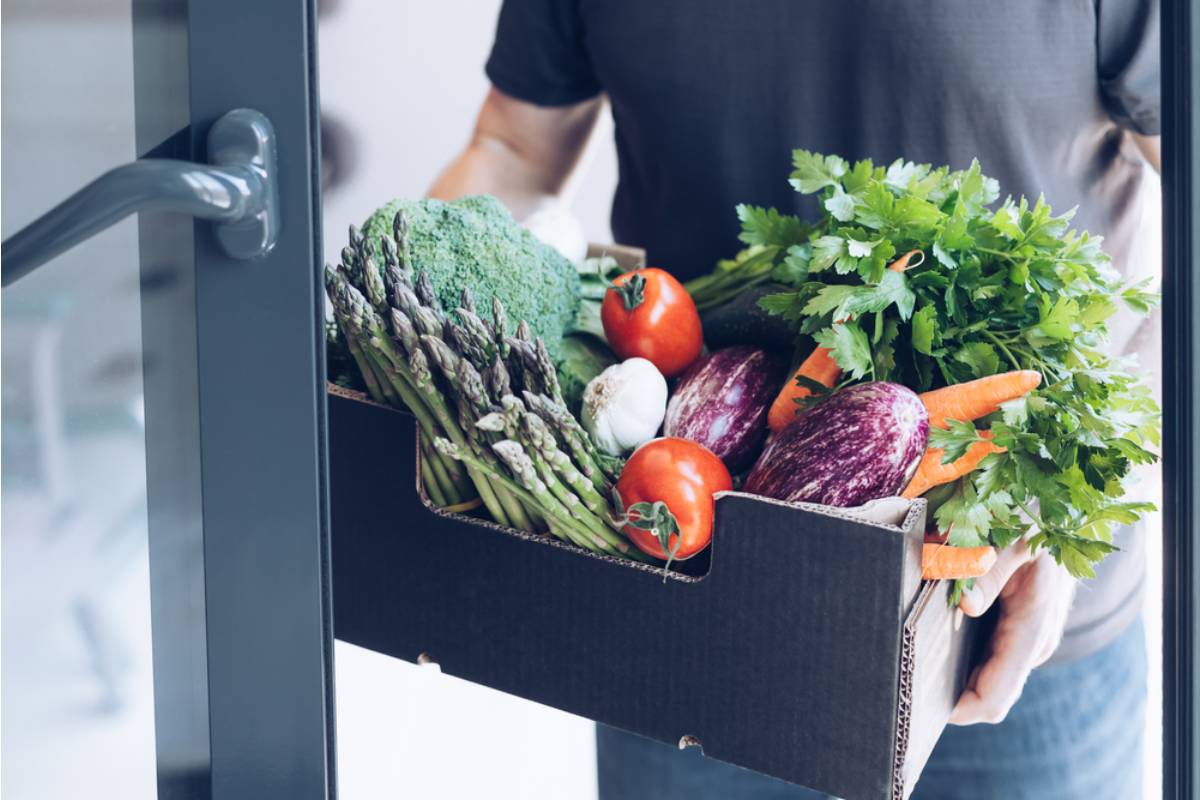
Gardener Says She Left a Free Produce Box Outside for Neighbors, But One Person Has Been Taking Everything Before Anyone Else Gets a Chance
In a quiet suburban neighborhood in Oregon, Leah started leaving a small wooden box outside her front yard filled with extra vegetables from her garden. What began as a simple gesture to reduce waste quickly turned into a neighborhood habit, with people stopping by to take fresh tomatoes, cucumbers, and herbs. For a while, everything worked smoothly, and the box became a small symbol of community sharing. Then Leah noticed something unusual. The box was being emptied almost immediately after she refilled it, leaving nothing for others.
The idea that started with surplus vegetables
Leah had always grown more vegetables than her family could eat during peak season. Rather than letting them go to waste, she placed a small box near her walkway labeled free garden produce. Neighbors walking by appreciated the gesture and began stopping occasionally to take what they needed. Leah enjoyed seeing people use the food rather than throwing it away. It felt like a simple way to connect with the neighborhood.
The first sign of imbalance
At first, Leah assumed the box being empty quickly was just a sign of popularity. She refilled it every couple of days without thinking much about it. But soon she noticed it was emptying within hours instead of days. Some neighbors mentioned they had never managed to get anything because it was already gone when they passed by. That was when she started paying closer attention.
A pattern appears in the early morning
Leah woke up earlier one morning and checked the box from her kitchen window. She saw a single person stop by, fill a bag, and leave with most of the produce. The visit was quick and deliberate, almost routine. Later that day, the box was completely empty again. It became clear that one person was taking more than others.
A conversation with neighbors begins
Leah casually asked a few neighbors if they had been taking large amounts from the box. Most said they only took one or two items when they passed by. A few mentioned they rarely found anything left. One neighbor joked that someone must have “claimed the box as their grocery stop.” Leah stopped laughing when she realized it might be true.
The box empties almost immediately
As the days passed, Leah noticed the pattern getting more consistent. She would restock the box in the morning and find it empty by mid afternoon. She began spacing out her harvests and limiting how much she placed inside. Still, the result was the same. The box never stayed full long enough for multiple people to benefit.
A closer look reveals the regular visitor
Leah set aside a morning to observe quietly from her porch. She saw the same person arrive again, carrying a reusable bag and carefully selecting nearly everything in the box. The person did not rush but clearly treated it as a regular stop. Leah realized this was not occasional behavior but a routine. The situation now felt more intentional than casual sharing.
A polite attempt to set limits
Leah added a small handwritten note asking visitors to take only what they needed so others could also enjoy the produce. The note was simple and polite, placed directly on the box. The next day, the box was empty again with no change in behavior. The note had been ignored or overlooked. Leah began to feel frustrated rather than generous.
A direct but calm conversation
One afternoon, Leah approached the person as they were leaving her yard with another full bag. She explained that the box was meant for sharing among multiple neighbors. The person responded that there were no rules posted limiting how much could be taken. Leah clarified that fairness was the intention. The conversation ended without agreement.
Neighbors start noticing the issue
Other residents began discussing the situation after hearing about it from Leah. Some said they had also seen the same person taking large amounts regularly. Others were unaware of any problem and assumed everything was still being shared evenly. The box had become a topic of quiet conversation around the street. Opinions started to divide on what counted as acceptable use.
A new approach to the box
Leah decided to adjust how she filled the box by placing smaller portions and spreading out restocking times. She also added more variety in smaller quantities to discourage bulk taking. For a short time, it seemed to help, but the pattern eventually returned. The same person continued to take most of what was available. Leah realized the issue was not quantity but behavior.
A neighbor suggests removing the box
One neighbor suggested that Leah remove the box entirely to prevent ongoing frustration. Another suggested turning it into a scheduled sharing system instead. Leah considered both options but felt disappointed that something meant to be helpful had become difficult. She hesitated to stop it completely because others still appreciated it. The decision became more complicated than she expected.
The final adjustment
Leah replaced the open box with a smaller container and placed it closer to her porch where she could monitor it more easily. She also began handing out produce directly when she saw neighbors outside. The regular visitor eventually stopped taking from the box as often. Other neighbors adjusted to the new system without issue. What started as a simple gesture of sharing turned into a lesson about boundaries, trust, and how quickly goodwill can be stretched in unexpected ways.