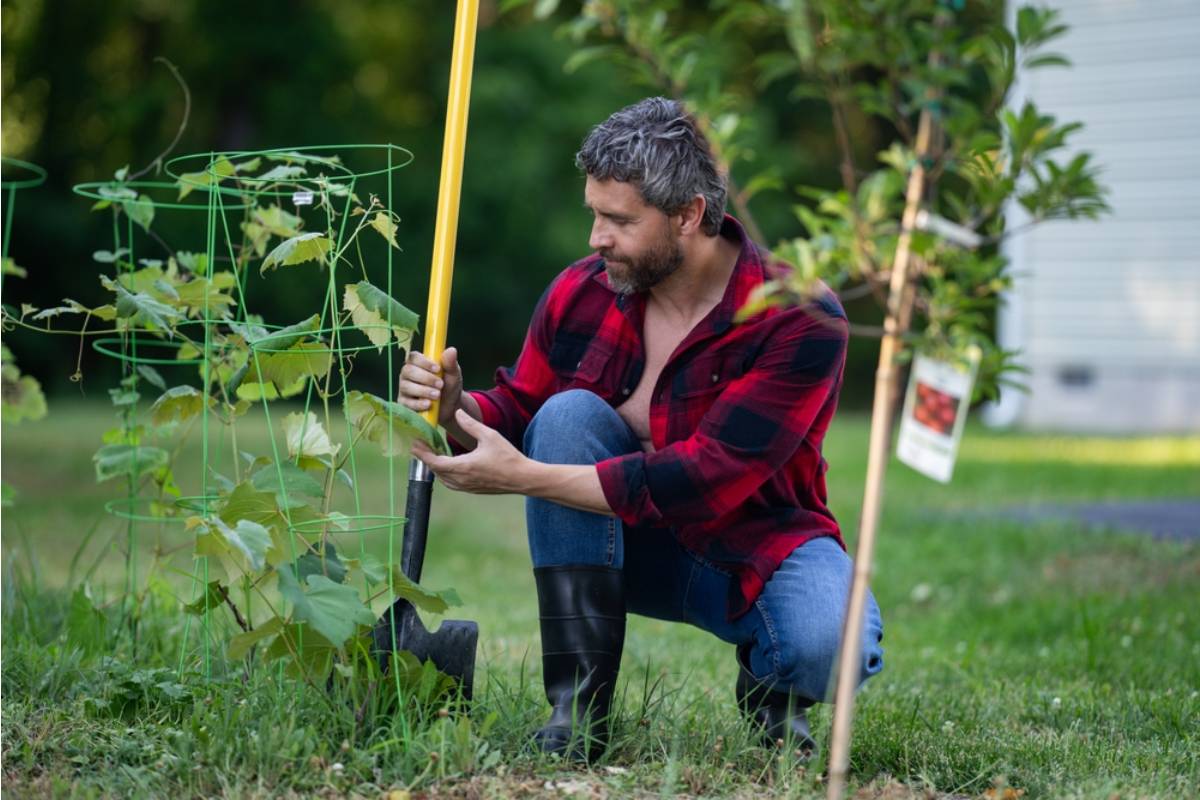
The One Thing Experienced Gardeners Say They Do Every Single Autumn That Makes the Following Spring Almost Effortless
Every fall, the neighborhood community garden slowly emptied as most people assumed the growing season was finally over. New gardeners packed away their tools, pulled a few weeds, and promised themselves they would deal with everything else in the spring.
One longtime gardener always stayed behind long after everyone else had left, quietly working through a checklist that nobody paid much attention to. His plot consistently exploded with healthy vegetables and colorful flowers months before anyone else’s. After several seasons of watching the same pattern repeat, a few curious neighbors finally decided to ask what he was doing differently.
A Quiet Routine Drew Unexpected Attention
The gardener never rushed through his autumn tasks. While others were celebrating the end of the season, he carefully walked through every garden bed carrying a notebook instead of a shovel. He paused often, studying plants that were nearly finished producing. One neighbor laughed and asked why he was still working when everything looked ready for winter. He simply smiled and replied, “Spring starts right now.”
Empty Beds Were Never Left Bare
Instead of leaving exposed soil behind, he spread a thick layer of shredded leaves across every raised bed. Several beginners assumed the garden looked messy compared to neatly cleared plots nearby. He explained that uncovered soil lost moisture, encouraged weeds, and invited erosion throughout the winter. The leaves slowly settled into a protective blanket that stayed in place for months. By the end of the afternoon, every inch of bare ground had disappeared.
He Wrote Down Every Success and Failure
Before removing old plants, he carried a notebook through the rows making detailed observations. He recorded which tomato variety produced the best harvest and which peppers struggled despite receiving the same care. He also noted where insects caused problems and where certain flowers attracted helpful pollinators. Friends teased him for keeping records that looked more like a scientist’s journal than gardening notes. He insisted memory became unreliable after a long winter.
Healthy Plants Stayed While Sick Ones Left
Rather than pulling everything at once, he carefully inspected each plant for signs of disease. Healthy stems went into the compost pile where they would become future garden soil. Plants showing suspicious spots or unusual damage were sealed in yard waste bags instead. A new gardener asked why he bothered separating them. He explained that one careless shortcut could carry disease into the next growing season.
Compost Received More Attention Than the Garden
While most gardeners focused on empty beds, he spent nearly as much time turning his compost pile. Kitchen scraps, leaves, and healthy plant material were mixed together with surprising care. He checked the moisture, adjusted the balance of materials, and covered the pile before leaving. A neighbor admitted never thinking much about compost after summer ended. The experienced gardener replied that good soil was built long before planting day.
Bulbs Disappeared Beneath the Soil
One afternoon, several children noticed him digging neat rows through freshly mulched beds. Curious, they asked why he was planting flowers when winter was only getting closer. He handed each child a tulip bulb and invited them to help. They carefully tucked hundreds of bulbs into the ground without seeing any immediate reward. He promised they would remember this moment when spring arrived.
Tools Were Treated Like Valuable Equipment
Before putting anything away, he cleaned every shovel, pruner, and trowel until they looked almost new. Rust was removed, blades were sharpened, and wooden handles received protective oil. Another gardener admitted he usually tossed dirty tools into the shed after the final harvest. The experienced gardener explained that neglected tools often failed at the exact moment they were needed most. His storage shelves looked organized enough to impress a professional workshop.
A Surprise Appeared During Winter
Several weeks later, heavy winds swept through the neighborhood. Many uncovered garden beds lost loose soil while lightweight mulch scattered across nearby yards. His carefully prepared plots looked almost untouched because the thick leaf covering stayed firmly in place. Water soaked into the protected ground instead of washing valuable nutrients away. Neighbors quietly began wondering whether his autumn routine really made that much difference.
Spring Revealed a Dramatic Difference
As temperatures warmed, his garden seemed to wake up almost overnight. The mulch pulled back easily to reveal dark, crumbly soil filled with earthworms. Weeds were surprisingly scarce compared with surrounding plots that had been left uncovered. Seeds sprouted quickly without requiring endless hours of preparation first. Several gardeners stood nearby, amazed at how little work he seemed to have left.
Curious Neighbors Asked for a Demonstration
Word spread through the community garden that something unusual was happening. One Saturday morning, nearly a dozen gardeners gathered around his plot asking him to explain every autumn step from the previous year. Instead of giving a lecture, he walked them through the beds while pointing out the results they could see with their own eyes. Rich soil, healthy seedlings, and strong early growth answered many questions before he even spoke. The group left carrying notebooks filled with ideas for the coming fall.
The New Gardeners Tried the Same Approach
That autumn, the community garden looked completely different. Instead of rushing home after the last harvest, families stayed to mulch beds, plant bulbs, clean tools, and organize compost piles. Children helped rake leaves while neighbors shared extra mulch and compost materials. The experienced gardener quietly moved from plot to plot answering questions without taking credit for the growing enthusiasm. The routine that once belonged to one person slowly became a shared tradition.
The Next Season Changed Everyone’s Perspective
When spring returned again, nearly every gardener noticed the same reward. Beds required less digging, weeds appeared later, seedlings established themselves faster, and gardening felt far less overwhelming than previous years.
People who once dreaded the first weeks of spring now spent more time planting than repairing winter damage. Looking back, they realized the biggest secret had never been a special fertilizer or expensive equipment. It was the decision to treat autumn as the true beginning of the next growing season rather than the end of the current one.