Homeowner Asks About Thick Tree Roots Crossing Into Her Garden, Then Learns Cutting Them Could Put the Entire Tree at Risk
A person shared her story after moving into her home three years earlier and finally deciding it was time to sort out the front garden. As the landscaping plans began, she discovered that a neighboring tree had sent thick roots deep into her side of the property. Some of the roots were even heading toward the house, raising concerns that they could eventually cause problems for the foundations.
The discovery left her facing an awkward question about where her rights ended and the neighbor’s responsibilities began. The roots were physically on her side, so cutting them seemed like an obvious solution at first. But the more she looked at the tree, the more she realized that removing the roots might create a completely different problem.
The Roots Were Much Larger Than Expected
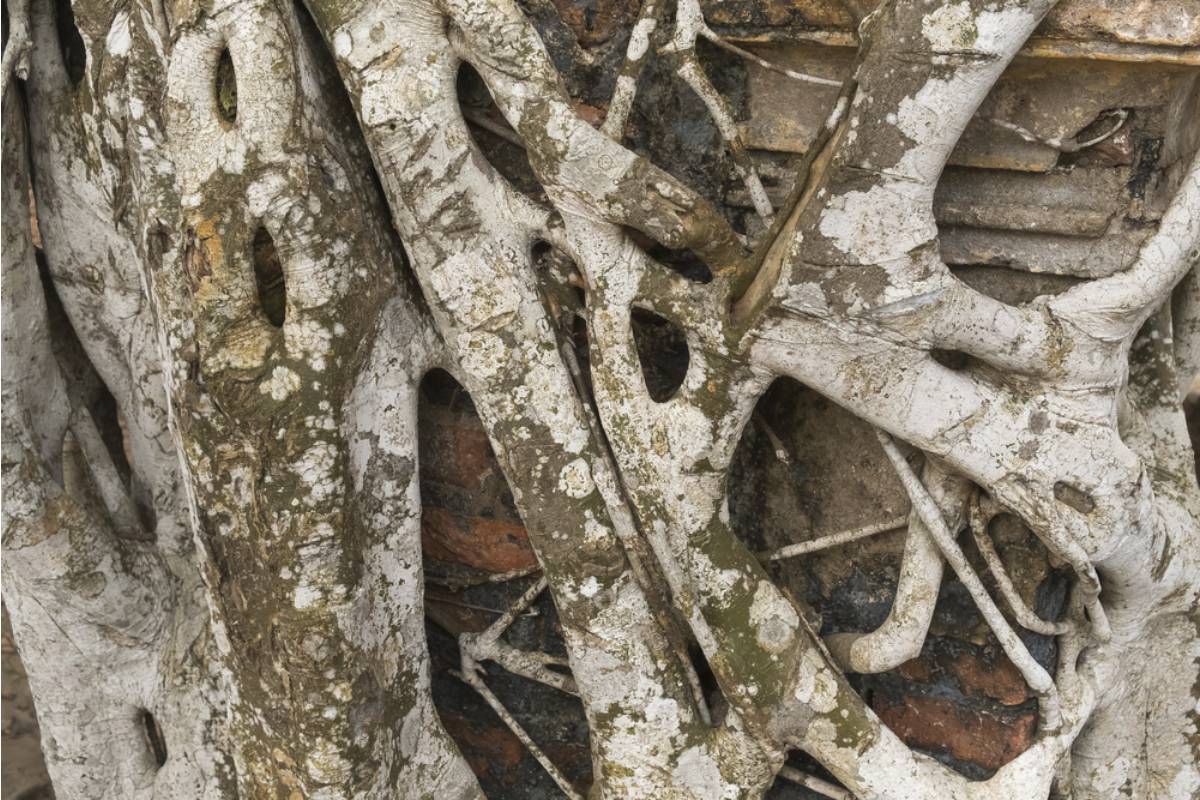
The homeowner admitted that she hadn’t noticed the extent of the roots when she first bought the property. From above ground, the tree hadn’t seemed like an immediate concern, and she had been focused on other parts of the house and garden. Three years later, however, the roots had become impossible to ignore.
They were thick enough to stand out clearly while the family was working on the garden. Several appeared to be traveling toward the house, which naturally made the homeowner nervous. What had started as a gardening project was suddenly turning into a question about trees, property boundaries, structural safety, and a neighbor she hadn’t yet needed to involve.
The Property Boundary Offered a Complication
The homeowner understood that the roots were on her side of the boundary. That seemed to suggest she should be able to deal with them, especially because they were interfering with her garden. But the tree itself belonged to the neighboring property, creating a situation where the physical location of the roots and the ownership of the tree were not necessarily the same thing.
A response from a person explained that she could generally cut roots back to the boundary, but warned that doing so could have consequences. If removing those roots destabilized the tree or caused it to die, the homeowner could potentially become responsible for what happened next. Suddenly, what looked like a simple gardening job carried much more risk.
Cutting the Roots Could Change Everything
The most important warning was that roots aren’t just underground obstacles. They can provide structural support and help keep a tree stable, particularly when the tree is large or positioned close to a property boundary. Removing too many roots from one side could therefore weaken the very tree the homeowner was trying to avoid damaging.
That created an uncomfortable possibility. She could cut the roots because they were encroaching onto her land, only to discover later that the tree became unstable. If the tree then fell, died, or caused damage, the argument might shift from “your roots are on my property” to “you damaged my tree.”
A Response From a Person Suggested an Arborist
A response from a person recommended contacting an arborist before cutting anything. An experienced professional could assess the tree, examine the root system, and determine whether removing particular roots would create a stability problem. That advice could save the homeowner from making a decision that might be difficult or impossible to reverse.
The arborist could also help distinguish between roots that are merely inconvenient and roots that are structurally important. Not every root poses the same risk, and blindly cutting through the largest ones could be very different from carefully removing smaller growth. The homeowner therefore had good reason to pause before reaching for a saw.
The Neighbor Might Be Part of the Solution
Another response from a person suggested speaking with the neighbor before taking action. Instead of treating the roots as an individual homeowner’s problem, the two households could potentially discuss what was happening and whether the tree itself needed professional attention. The conversation might be especially useful if the tree was already causing other problems with light, garden space, or nearby landscaping.
The ideal outcome, according to one response, would be removing the tree entirely if an arborist determined that was appropriate. That could eliminate the root problem at its source instead of repeatedly trimming roots every few years. The only complication was that the homeowners might have to discuss how the cost of removal would be divided.
The Roots Were Heading Toward the House
The homeowner’s biggest concern wasn’t simply that the roots were making gardening difficult. Some were growing in the direction of the house, which made her wonder whether they could eventually interfere with the foundations. That concern gave the problem a much higher priority than an ordinary nuisance root.
Still, the direction of a root doesn’t automatically prove that a foundation is in danger. A professional assessment would be needed to determine whether the roots were actually capable of causing structural damage or whether the concern was mostly theoretical. Without that assessment, cutting them could create a new hazard without solving the original one.
The Tree Itself Was Not the Homeowner’s Property
This was where the situation became particularly delicate. The homeowner wasn’t asking how to remove a tree from her own garden, but how to deal with roots belonging to a tree on someone else’s land. Even though the roots had crossed the boundary, the tree remained connected to the neighbor’s property.
A response from a person emphasized that anything removed from the root system would still technically belong to the neighbor. That meant the homeowner shouldn’t simply treat the cut roots as garden waste without considering whether the neighbor wanted them returned. Even underground, the boundary between the two properties created responsibilities that weren’t immediately obvious.
The Neighbor Had an Interest in the Tree Too
From the neighbor’s perspective, the tree might be perfectly healthy and desirable. They could have planted it deliberately, valued its appearance, or simply preferred to keep it standing. The homeowner’s concerns about her garden and foundation might therefore conflict directly with the neighbor’s desire to keep the tree.
That was why cooperation could potentially be more useful than immediately starting a dispute. If both sides agreed that the roots were becoming problematic, they could investigate whether pruning, root management, or complete removal made the most sense. A professional opinion could give them something concrete to discuss rather than forcing them to argue from assumptions.
Light and Garden Space Were Also Becoming Issues
One response from a person pointed out that roots weren’t necessarily the only problem. A neighboring tree can also affect the amount of sunlight reaching a garden, occupy valuable planting space, and interfere with plans for landscaping. The homeowner was already trying to redesign the front garden, so the tree’s presence could become increasingly restrictive.
That meant the family had several reasons to raise the issue with the neighbor rather than waiting for a crisis. The sooner both sides understood what the roots were doing and what the homeowner wanted to change, the easier it might be to find a practical solution. Waiting until roots damaged something or the tree became unstable could make the conversation far more difficult.
The Cheapest Solution Might Not Be the Safest
It would have been tempting to simply cut every root that crossed the boundary and continue with the garden. That approach would certainly be quick, but it could also leave the homeowner dealing with a damaged or unstable tree afterward. A few minutes of cutting could therefore create a much larger problem than the original roots.
The safer approach was to identify exactly which roots were causing the concern and determine their importance before touching them. A professional could potentially recommend a limited intervention rather than removing everything visible. In a situation involving someone else’s tree, avoiding unnecessary damage was likely to be far more valuable than finishing the garden quickly.
The Foundation Concern Needed Evidence
The homeowner’s fear that the roots could damage the house was understandable, but it was still only a concern until someone qualified assessed the situation. Tree roots can interact with buildings in complicated ways, particularly around older structures, existing cracks, soil conditions, and changing moisture levels. Simply seeing a root heading toward a foundation doesn’t establish that it will eventually damage it.
That made professional documentation particularly useful. If an arborist believed the tree or its roots presented a genuine risk, the homeowner would have a much stronger basis for approaching the neighbor. Instead of saying, “I think your tree might damage my house,” she could explain what the professional had found and what action was recommended.
A Friendly Conversation Could Prevent a Bigger Fight
The homeowner had lived there for several years without apparently needing a serious discussion about the tree. That meant the issue still had a chance to be handled as a normal neighborhood problem rather than a legal dispute. A calm conversation could start with the roots, the garden plans, and the concern about the house instead of accusations about ownership or responsibility.
A response from a person suggested getting the neighbor on board and pointing out the possible damage, reduced light, and garden restrictions. If the neighbor understood that the tree was affecting both properties, they might be willing to consider professional pruning or removal. Even splitting the cost of an appropriate solution could be preferable to allowing the problem to grow into a much more expensive disagreement.
The Arborist Could Become the Neutral Voice
An arborist would not have the same emotional investment in the dispute as either homeowner. Their job would be to assess the tree and explain what could safely be done. That neutral assessment could give both sides a factual starting point for deciding whether the tree should stay, be pruned, or be removed.
It could also answer the question the homeowner was most worried about: whether cutting the roots would make the tree unsafe. If the answer was yes, she would know not to proceed alone. If the answer was no, she could potentially deal with the roots while staying within the relevant property boundaries.
The Garden Project Had Become a Tree Problem
What began as an ordinary plan to improve a front garden had uncovered an underground problem that had probably been developing for years. The homeowner had expected to move plants, improve the landscaping, and make the space more attractive. Instead, she found herself worrying about roots, foundations, tree stability, ownership, and the neighbor next door.
The surprising part was that the roots themselves might not be the thing that needed removing. The real solution could involve changing the way both properties dealt with the tree. Once a professional established what was safe and what wasn’t, the homeowners could decide whether cooperation, pruning, or removal made the most sense.
The Tree Could Become a Shared Problem With a Shared Solution
The homeowner technically had an interest in dealing with roots that had crossed onto her land, but the tree’s survival and stability were also connected to what she did. That made the situation less like a simple property-boundary dispute and more like a problem that could affect both households. Cutting aggressively might solve one problem while creating another.
The best advice therefore pointed toward caution rather than immediate action. An arborist could inspect the tree, the homeowner could discuss the concerns with the neighbor, and both sides could decide what to do before anyone reached for a saw. What looked like a battle over roots might ultimately be solved by two neighbors realizing that the safest answer was to deal with the entire tree instead.