Homeowner Says a Neighbor Hated His Wild Hedge, Then Secretly Trimmed the Poison Ivy and Discovered It Wasn’t So Easy to Kill
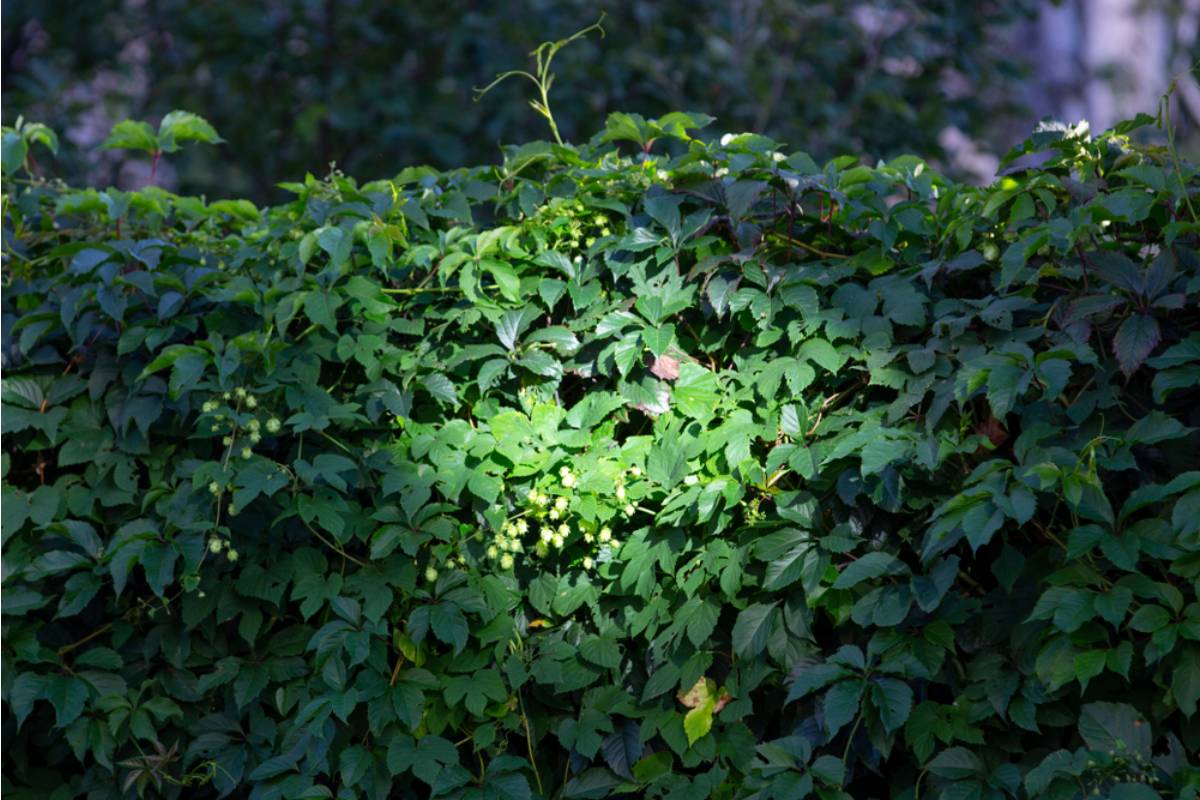
A person shared his story about moving into a home where the yard was surrounded by a hedge that had clearly been left to grow without much supervision. It was not exactly the neat, carefully sculpted border that appears in gardening magazines, but it gave the property a little privacy and character. At first, the unruly growth seemed like nothing more than another weekend project waiting to happen.
There was one problem hiding inside all that greenery, though, and it was far more troublesome than an ordinary overgrown branch. The hedge contained poison ivy, something the person discovered only after meeting an older woman who lived directly across the street. Ironically, the same neighbor who would later complain about the hedge was the one who first pointed out the dangerous plant.
The Neighbor Had a Very Important Warning
The woman across the street seemed to have a reputation for getting things exactly the way she wanted. Her home was reportedly the fanciest on the block, and she appeared accustomed to having her surroundings looking a certain way. When she warned the new homeowners about poison ivy growing through their hedge, they took the information seriously.
They had every reason to appreciate the warning, because poison ivy is not exactly the sort of plant anyone wants to discover by accident. Unfortunately, the discovery also changed the entire situation with the hedge because dealing with it suddenly meant more than simply grabbing a pair of clippers. What started as ordinary yard maintenance had become a problem involving a plant that could leave them with a very unpleasant reminder for days.
The Hedge Became a No-Touch Zone
The homeowners tried to manage the hedge for a while, but eventually both of them developed allergic reactions after dealing with the poison ivy. That meant the simple solution of trimming the hedge themselves was no longer practical. Every time they looked at the tangled greenery, they were not just seeing branches that needed pruning but a potential trip to a doctor.
The hedge continued growing while the homeowners tried to figure out what could safely be done. Before long, it became increasingly unruly, with the poison ivy adding another layer of difficulty to the already messy situation. The unfortunate part was that professional help was difficult to find because landscaping companies did not want to take on a hedge filled with the troublesome plant.
Then the Hedge Started Attracting Complaints
About a year later, the homeowners found an anonymous note in their mailbox complaining about the hedge. According to the note, the branches were supposedly scratching cars. There was just one problem with that argument: anyone driving close enough to be scratched would have to cut across the corner of the homeowner’s property.
The homeowners quickly suspected they knew exactly who had written the note. The older neighbor across the street knew about the poison ivy because she had been the one who warned them about it in the first place. Instead of getting into an argument, the homeowners simply ignored the anonymous complaint and allowed the situation to remain as it was.
The Wild Garden Border Became a Neighborhood Issue
By this point, the hedge had transformed from a simple landscaping feature into a neighborhood talking point. What might have been fixed with routine trimming under different circumstances had become something much more complicated because the plants involved could not safely be handled by the people living there. The hedge kept growing, while the homeowners essentially had to leave it alone.
A response from a person later joked about how much attention an overgrown hedge could attract on a street where neighbors had plenty of time to discuss everyone else’s yards. The comment described a neighborhood where untidy hedges had become the subject of endless conversation. Suddenly, the situation felt less like a gardening problem and more like a long-running local drama with leaves.
Then the Township Got Involved
A couple of months after the anonymous note appeared, the homeowners received an official notice from the township. The message said the hedges needed to be trimmed or the township could arrange the work and charge the homeowners for it. After struggling to find someone willing to handle the poison ivy, the homeowners saw an unexpected silver lining.
They essentially welcomed the offer and said they would happily pay if the township could actually find someone willing to tackle the poisonous jungle. From their perspective, this was exactly the kind of professional intervention they had been unable to arrange themselves. At last, it seemed like somebody else might finally solve the problem.
The Official Solution Never Arrived
Then came the anticlimax. Despite the warning from the township, nobody showed up to trim the hedge. Days passed, then more time went by, and the promised help never materialized. The homeowners were left with the same hedge, the same poison ivy, and the same problem sitting along the property line.
Meanwhile, the hedge continued doing what hedges do when nobody trims them: growing. What had once looked merely untidy now looked increasingly wild, and the homeowners had little reason to believe the situation would suddenly resolve itself. The official threat had turned out to be much less effective than it sounded on paper.
One Morning, Something Had Changed
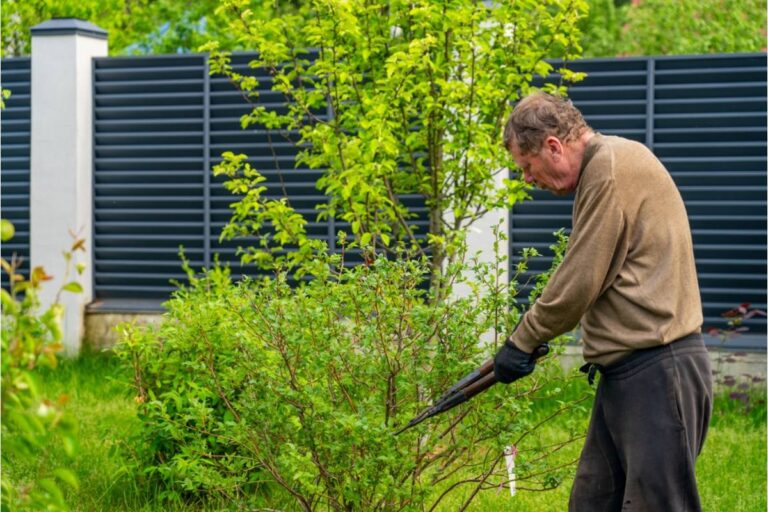
Then one day, the homeowner returned and noticed something strange. A section of the hedge nearest the complaining neighbor’s house had suddenly been cut down. It was not the entire hedge, either, but a very specific portion consisting of a single plant roughly two feet across near the edge of the property.
The timing immediately raised questions. The homeowners had not arranged the trimming, and the township had not followed through either. There was only one person who had complained repeatedly about that particular area, so the mystery did not exactly require a detective.
The Missing Plant Was Suspiciously Convenient
The most interesting part was that the chopped-down plant happened to be the exact section closest to the neighbor’s home. Poison ivy had been growing there too, meaning whoever had decided to remove it had willingly taken on the same problem that had prevented the homeowners from doing the job themselves. Suddenly, the earlier complaints about scratched cars seemed a little more understandable.
After the plant disappeared, the homeowner noticed another curious detail. The neighbor seemed to stay out of sight for a while, almost as though she had suddenly become very interested in spending less time near that particular section of yard. The homeowner could not prove what had happened, but the timing made the theory difficult to ignore.
The Hedge Had One Last Surprise
If the neighbor had secretly cut the plant down hoping that would finally solve the problem, the hedge had other plans. The homeowners soon discovered that the plant had not actually been killed. Instead, it began growing back.
And it did not return politely. The stubborn plant came back with the poison ivy and eventually looked even wilder than before. What appeared to be a quick nighttime landscaping solution had accomplished little more than giving the plant a temporary haircut.
The Poison Ivy Refused to Lose
That was the real twist in the whole garden saga. The neighbor had apparently managed to remove the most annoying portion of the hedge, but the plant simply treated the attack as a temporary inconvenience. Before long, the greenery was back, reclaiming the space it had occupied before.
A response from a person suggested that the homeowners consider professional approaches to dealing with the poison ivy rather than repeatedly trying to cut it down. Other responses discussed different ways people manage difficult overgrowth while avoiding direct contact with the irritating plant. The overwhelming theme was that this was not a plant to casually wrestle with in shorts and gardening gloves.
Then Came the Goat Suggestions
Among the more entertaining responses was an idea involving goats. A person suggested hiring goats to clear the overgrown vegetation, explaining that the animals will happily eat certain troublesome plants. Another response pointed out that poison ivy is apparently a favorite snack for goats.
The idea quickly turned into a running joke, with people imagining a group of goats marching into the yard and devouring the hedge that had caused so much neighborhood drama. Someone even suggested adding camels, although that would make the garden maintenance operation considerably more complicated. The homeowner, however, made it clear that goats were not exactly an option in the area.
Everyone Suddenly Became a Hedge Expert
Once the story circulated, people began offering every imaginable strategy for dealing with the stubborn greenery. Some recommended professional landscaping services, while others talked about methods for controlling poison ivy without repeatedly exposing themselves to it. A person who had previously done poison ivy removal explained that completely removing the root system could be an effective long-term approach, although it would require substantial work and careful protection.
There were also repeated warnings not to burn poison ivy. Several people shared stories of severe reactions caused by exposure to smoke from poison ivy or poison oak, reminding everyone that getting rid of the plant requires more care than simply tossing the vines onto a backyard fire. The garden problem had officially evolved into a crash course in what not to do with an invasive-looking patch of toxic greenery.
The Homeowners Had Tried Their Options
The homeowners were not completely ignoring the problem, despite what some responses appeared to assume. They explained that they had already attempted treatments and had found the plant remarkably difficult to eliminate. Their main obstacle was not a lack of concern but the fact that both homeowners were allergic and could no longer safely handle the hedge themselves.
That distinction mattered because trimming a hedge is normally one of the most ordinary gardening chores imaginable. In this case, the simple act of cutting a branch could turn into a much bigger problem. The people living in the house were effectively stuck watching a plant continue to grow because their safest option was to keep their hands off it.
The Neighbor Never Mentioned the Secret Trimming
Perhaps the funniest part of the story came afterward. The neighbor never admitted to cutting the plant, never complained again, and apparently never brought up the mysterious disappearance at all. As the hedge grew back, the homeowners were left with the strange feeling that the whole episode had happened without anyone officially acknowledging it.
The situation had gone from an unruly hedge to a complaint, then to a township warning, and finally to what appeared to be an unofficial gardening intervention. Yet none of it solved the original problem. The poison ivy was still there, the hedge was still growing, and the neighbor suddenly had nothing to say about it.
The Hedge Eventually Won the Argument
In the end, the stubborn garden border seemed to have the last word. The homeowners were still dealing with the same wild hedge, but now they had an even better story attached to it. A plant that was supposed to be an eyesore had managed to outlast complaints, official warnings, secret trimming, and every dramatic attempt to make it disappear.
The person who shared the story could only laugh at the outcome. The neighbor had wanted the hedge gone badly enough to apparently take matters into her own hands, only to discover that plants do not always cooperate with neighborhood politics. Sometimes the garden refuses to follow the script, and in this case, the most stubborn character in the entire story was a two-foot patch of greenery that simply grew back.