Homeowner Says Her First Vegetable Garden Finally Survived Long Enough to Produce a Harvest, Then a House Sitter Promised She Had Watered Everything Daily Before She Returned to Find Her Plants Bone Dry
A person shared his story about a gardening disaster that turned a week away from home into a frustrating lesson about trusting someone else with a beloved patch of greenery. After finally managing to grow a vegetable garden that lasted long enough to produce a harvest, the homeowner thought everything would be fine while a house sitter looked after the plants. The sitter reportedly claimed she had watered them every day, even giving them another drink just before the homeowner returned. But when the homeowner stepped outside to inspect the garden, the sight waiting there was enough to make any new gardener want to grab a watering can and demand answers.
A First Garden That Finally Made It to Harvest
For this homeowner, the garden was more than a few pots filled with vegetables. It was the first time a gardening attempt had survived long enough to reach the rewarding stage of harvesting homegrown produce. Anyone who has watched seedlings struggle through unpredictable weather, watering mistakes, and stubborn growing conditions knows how satisfying that milestone can be. Naturally, the last thing the homeowner expected was to return from a short trip and find the plants looking as though they had spent the week stranded in a desert.
The garden represented time, effort, and the excitement of finally getting something right. Growing vegetables can be surprisingly demanding, especially when someone is still learning which plants need more water and which can tolerate a little neglect. Every new leaf and developing vegetable becomes a tiny victory, making the whole project feel personal. That was precisely why the condition of the garden after the trip felt like such a punch to the stomach.
A Week Away Should Have Been No Big Deal
The homeowner was away for approximately a week, leaving the plants in someone else’s care. With a house sitter available, there seemed to be a straightforward solution to the problem of keeping everything watered. The expectation was simple: someone would check on the plants and make sure they received enough water while their owner was gone. It was hardly an elaborate gardening assignment, or so it appeared at first.
However, a week can be a surprisingly long time for plants growing in containers, particularly during hot, dry weather. Small pots contain limited soil, which means they can lose moisture much faster than garden beds planted directly in the ground. Even plants that look healthy before a trip can become stressed if their watering needs are not met. The homeowner had trusted that this basic responsibility was covered, but the garden was about to tell a very different story.
The House Sitter Said Everything Had Been Watered
According to the homeowner, the house sitter insisted that she had watered the plants every single day. She reportedly even said she had watered them immediately before the homeowner returned home. On paper, that sounded reassuring enough to suggest that the garden had received regular attention throughout the absence. Unfortunately, the plants themselves appeared to have a rather different account of what had happened.
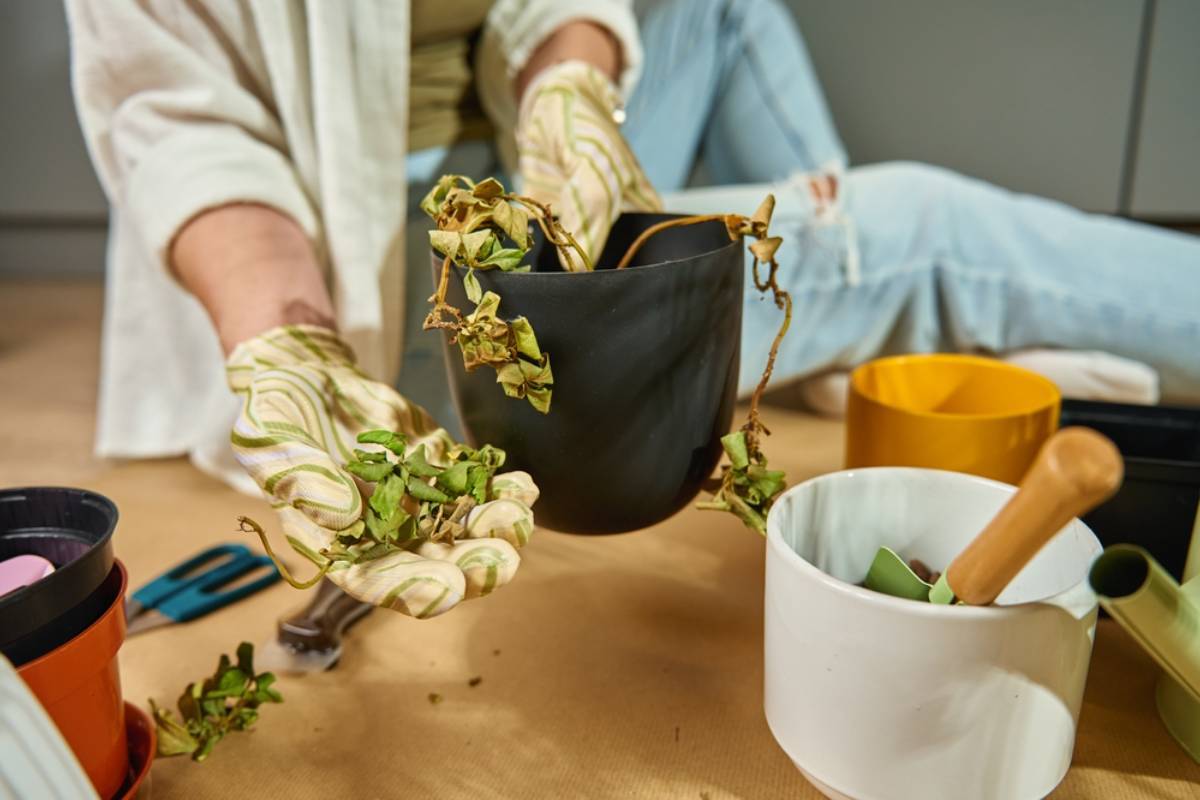
When the homeowner went outside to check the garden, the soil was bone dry and the plants looked severely wilted. The contrast between the sitter’s assurances and the condition of the vegetables made the situation particularly frustrating. Watering plants is not simply about claiming that a task has been completed; it is about making sure the roots receive the moisture they need. At that moment, the homeowner had every reason to wonder whether the promised daily watering had actually happened.
The Basil Plant Was Reduced to a Stick
Among the damaged plants, the basil became the most heartbreaking detail of the entire ordeal. The homeowner described it as being little more than a stick, a grim sight for anyone who has ever tried to keep fresh basil growing. Basil can be a wonderfully productive herb, providing fragrant leaves for cooking while adding a lush splash of green to a garden. Seeing it reduced to a brittle-looking stem after a week away was hardly the welcome-home surprise anyone would want.
Basil is also sensitive to water stress, especially when growing in a relatively small container under warm conditions. Severe wilting can make the leaves collapse, dry out, or become damaged beyond recovery if the plant remains dehydrated for too long. However, a plant that looks terrible is not necessarily dead, and the condition of its stems and roots can reveal whether recovery is possible. For the homeowner, the immediate challenge was figuring out whether the garden could be rescued or whether the damage had already gone too far.
The Homeowner Reached for the Watering Can
Rather than immediately giving up, the homeowner soaked the plants in an attempt to bring them back from the brink. It was an understandable reaction, particularly when the garden had finally begun rewarding months of effort. After returning to find the soil completely dry, giving the plants a thorough drink seemed like the most obvious first step. There was still a chance that some of the vegetables could recover if their roots had not suffered irreversible damage.
Unfortunately, watering after severe dehydration does not guarantee an instant transformation. Some plants perk up within hours, while others need several days of careful attention before showing signs of recovery. Leaves that have become crispy or badly damaged may never return to their former condition, even if the plant survives. The homeowner was therefore left waiting to see whether the emergency soak had arrived in time to save the garden.
A Response From a Person Offered a Little Hope
A response from a person suggested that the garden might not be as doomed as it initially appeared. Several of the vegetables could potentially recover after receiving enough water, particularly if their roots and growing stems were still alive. Tomatoes and pepper plants can sometimes bounce back from dramatic wilting once the soil is properly rehydrated. That possibility offered a welcome alternative to immediately replacing every plant.
Still, recovery depends on more than how dramatic the leaves look in a photograph. A plant with living roots and healthy tissue may produce new growth, while one with extensive root damage may continue deteriorating despite regular watering. Gardeners generally benefit from checking the soil moisture and observing the plants over the following days rather than immediately declaring the entire crop lost. In this case, the garden might yet have had a second act, even if the basil had become the star of the tragedy.
Other Gardeners Knew Exactly How Frustrating It Felt
The homeowner’s experience struck a nerve with people who had encountered similar problems while travelling. One response described the familiar disappointment of asking someone to water plants, only to return and find them wilted or dying. Another person shared an experience involving a housemate who had supposedly watered a garden daily, despite the plants being left dangerously dry. These stories suggested that the problem was not unique to one unlucky gardener.
For people who spend weeks nurturing vegetables, handing over plant care can feel surprisingly risky. The person responsible might genuinely intend to help but underestimate how quickly pots dry out or how much water each plant requires. Others may simply forget to complete the task consistently. Either way, the returning gardener is the one who has to deal with the consequences, often at the exact moment they were hoping to enjoy their harvest.
Watering Every Day Does Not Always Mean Watering Properly
One interesting point raised in the responses was that watering frequency alone does not tell the whole story. Someone can visit a garden every day, turn on a hose for a few seconds, and still fail to provide enough moisture to the roots. Water poured onto the surface may run off, drain through a dry potting mix, or leave much of the root zone insufficiently hydrated. The plants may therefore remain thirsty even when the person responsible believes the job has been completed.
Proper watering usually means checking the soil rather than following a rigid routine without considering conditions. Container plants often need more frequent attention than plants growing in the ground, especially when temperatures rise and the sun is intense. A thorough watering should moisten the root zone, while drainage holes allow excess water to escape. For a house sitter unfamiliar with gardening, these small details can make the difference between a thriving vegetable patch and a collection of wilting stems.
The Summer Heat May Have Made Everything Worse
Heat can turn an ordinary watering mistake into a serious gardening emergency. When temperatures climb, moisture evaporates more quickly from potting soil, and plants lose water through their leaves as they try to regulate their temperature. Containers exposed to direct sunlight can become especially challenging because their limited soil volume offers little protection against rapid drying. A garden that looks perfectly fine one morning may be struggling badly by the following afternoon.
This is why a watering routine that works during mild weather may fail during a heatwave. Some container vegetables need daily watering in hot conditions, and particularly exposed plants may require even more frequent checks. The exact amount depends on the plant, pot size, soil mix, weather, and stage of growth. If the house sitter did not understand those needs, even occasional attempts at watering might not have been enough to protect the garden.
Could the Plants Still Be Saved?
Despite the dramatic appearance of the garden, the responses offered reasons not to give up immediately. Tomatoes and peppers can sometimes recover from severe wilting, while basil may also produce fresh growth if its roots and stems remain viable. A careful gardener would begin by checking the soil, watering thoroughly, and moving vulnerable containers away from harsh afternoon sun if appropriate. The next few days would provide valuable clues about which plants still had a chance.
It is also important to avoid responding to drought stress with an uncontrolled dose of fertilizer. Damaged roots may struggle to absorb nutrients, and excessive fertilizer can add further stress rather than solve the underlying problem. Instead, consistent moisture, suitable light, and time are usually the better starting points. If the plants begin producing firmer leaves or new shoots, the garden may be on its way back, even if some damaged growth has to be removed.
The Potted Garden Had One Major Disadvantage
Another response pointed out that plants grown in containers can dry out much faster than those planted directly in the ground. In-ground soil generally holds a larger reservoir of moisture, whereas a small pot has limited room for both water and expanding roots. This does not mean container gardening is a bad idea, but it does mean that watering becomes particularly important during hot weather. For someone leaving home for several days, those extra demands can make a garden more vulnerable.
Larger containers, suitable potting mixes, and a layer of mulch can help reduce moisture loss in many situations. Grouping pots together or providing appropriate afternoon shade can also help protect them from excessive heat. However, these measures are not substitutes for a reliable watering plan when conditions are severe. The homeowner’s experience illustrated how quickly the advantages of a manageable little container garden can turn into a disadvantage when nobody understands its daily needs.
A Trusted Neighbor Might Have Been the Better Choice
After the disappointing experience, the homeowner mentioned a possible solution for the future: asking neighboring gardeners for help. The neighbors had been known to the household since they moved in, and their own garden reportedly flourished. That familiarity, combined with their gardening experience, made them a promising alternative to someone who might not understand the difference between keeping a house clean and keeping vegetables alive.
An experienced gardener is more likely to recognize early signs of dehydration and understand when a pot needs a thorough soak. They may also know how to adjust watering according to the weather rather than treating every plant the same way. Of course, even a skilled neighbor needs clear instructions about which plants require attention and how to reach them. Still, asking someone who already enjoys gardening could make the next trip considerably less stressful.
An Automatic Watering System Could Prevent a Repeat
Some responses suggested installing an automatic watering system instead of relying entirely on another person’s memory. A simple drip irrigation setup with a timer can deliver water directly to the soil and reduce the chances of plants being forgotten. For container gardens, adjustable emitters can help provide different amounts of water to plants with different needs. This approach can be especially useful when the owner travels frequently or lives somewhere with intense summer heat.
Automatic systems still require testing before a trip, however, because blocked emitters, leaks, and incorrect timer settings can create problems of their own. A gardener should confirm that every container receives enough water and that the system operates as expected over several days. Depending on the setup, a trusted person can also check the equipment periodically while the owner is away. With the right preparation, a future holiday would not have to become an endurance test for the entire vegetable patch.
The Real Lesson Was About Trusting Someone With Living Things
The frustrating part of the story was not simply that some plants had wilted. It was that the homeowner believed the garden was being cared for and only discovered the problem after returning home. When someone promises to handle a responsibility, it is natural to expect that the task will be completed properly, especially when the instructions seem straightforward. Discovering otherwise can make it difficult to trust that person with the same responsibility again.
At the same time, the situation highlights why clear instructions matter when asking someone unfamiliar with gardening for help. Showing the person each container, explaining how deeply to water, and identifying plants that dry out quickly can prevent misunderstandings. A simple checklist or a few photographs may also make the job easier to follow. Even if the sitter genuinely believed she was doing enough, the outcome showed that good intentions alone were not sufficient to keep the garden healthy.
The Next Garden Season Could Have a Much Happier Ending
For a first-time gardener, this experience could easily have been enough to sour an entire growing season. After putting in the effort to reach a harvest, returning to dry soil and a basil plant that looked like a stick was an especially discouraging surprise. Yet the possibility of recovery meant that the garden did not necessarily have to end in complete failure. With patient care, some of the vegetables might still have had time to produce new growth.
The homeowner’s next attempt could also benefit from a better watering arrangement, more experienced help, or an automatic irrigation system. Those changes would not erase the disappointment of the original experience, but they could make future trips less risky. Gardening inevitably involves setbacks, from pests and diseases to weather that refuses to cooperate. In this case, the unexpected twist was that the biggest threat to a promising vegetable garden may not have been a pest or a heatwave, but the person who had promised to water it.