Homeowner Says Her New Neighbor Started Leaving Food Scraps Outside to “Help Nature,” Then Raccoons, Skunks and a Groundhog Took Over the Neighborhood
A person shared his story about a neighbor who moved into the area about a year and a half ago and quickly developed an unusual idea of what it meant to live in harmony with nature.
Her solution was simple: instead of throwing food scraps away, she tossed them into the bushes around her property. At first, it sounded harmless, but the neighborhood soon discovered that wildlife had taken her invitation very seriously.
The New Neighbor Had a Very Different Idea of Nature
The neighborhood was already surrounded by plenty of natural habitat, with a large wooded park only about 200 yards away. There was no shortage of trees, brush and places for wild animals to live without anyone providing them with dinner. Then the new neighbor arrived and apparently decided the animals needed a little extra help.
She began throwing food scraps into the bushes around her property, apparently believing she was doing something kind for the local wildlife. According to the homeowner, she didn’t seem particularly concerned when people pointed out that the practice could attract unwanted animals. In fact, she reportedly laughed off their warnings.
The First Visitors Were Raccoons
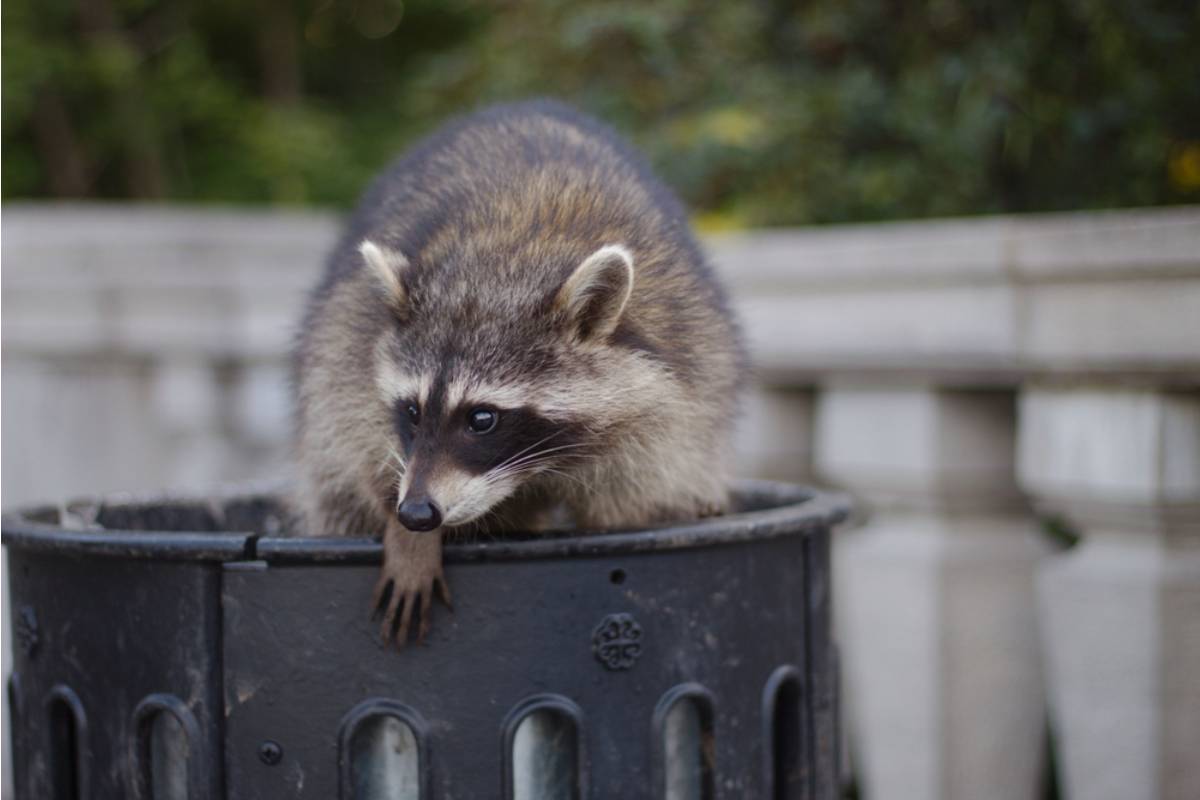
It didn’t take long for the neighborhood to notice that the wildlife population seemed to be growing. Raccoon families began appearing around the homes, followed by deer, squirrels and skunks. What had once been ordinary suburban wildlife suddenly seemed to have discovered a dependable neighborhood buffet.
The problem wasn’t simply that the animals were passing through. They were beginning to linger around the houses, yards and gardens because there was an easy source of food nearby. A response from a person pointed out that feeding wildlife can create exactly this kind of problem, especially when animals begin associating homes with regular meals.
Then the Deer Started Showing Up
Deer were another problem because they weren’t exactly subtle guests. Once they realized there was food available, they had plenty of reasons to wander closer to the houses instead of remaining near the woods. Gardens, landscaping and other carefully maintained yards suddenly became much more interesting.
The homeowner said his concern wasn’t just about having to look at wildlife in the yard. Animals that become comfortable around people and homes can create property damage and other problems, particularly when they stop behaving like occasional visitors and start treating the neighborhood like their dining room.
Squirrels Found Their Way Inside
The squirrels were arguably the most frustrating guests because they didn’t always stay outdoors. The homeowner reported eventually having squirrels get into his attic. Another neighbor reportedly had raccoons enter her attic as well.
That changed the situation from an annoying wildlife problem into something much more expensive and stressful. Once animals begin getting into buildings, homeowners can be left dealing with damage, noise and the challenge of getting them safely removed.
Then a Groundhog Claimed the Backyard
The homeowner’s personal breaking point came when a groundhog moved in. A burrow appeared in his backyard, and suddenly the animal had a permanent-looking base of operations right beside his garden.
The groundhog wasn’t exactly a peaceful roommate, either. According to the story, it began terrorizing the garden, turning the homeowner’s carefully maintained plants into casualties of the neighborhood’s unexpected wildlife experiment.
The Health Concerns Made It Worse
The homeowner was also worried about disease, particularly because animals such as raccoons and other wildlife can potentially carry rabies. That meant the situation no longer felt like a simple disagreement over landscaping or personal preferences.
His frustration was that the neighborhood already had a large wooded area nearby. The animals didn’t need to be summoned into people’s yards with food scraps because they had natural habitat close by. In his view, the neighbor wasn’t helping wildlife so much as encouraging it to move closer to everyone’s homes.
Talking to Her Didn’t Change Anything
Several neighbors apparently tried explaining the problem to the woman. They told her that deliberately leaving food outside could attract animals and create problems for everyone living nearby.
Instead of changing her habits, she reportedly laughed when they complained. That reaction made the situation particularly frustrating because the neighbors weren’t simply dealing with an accidental mistake that could be corrected after one conversation. They believed she understood their concerns and simply didn’t care.
The Police Didn’t Have an Easy Answer
Eventually, the homeowner contacted the police. Unfortunately, he was told there wasn’t much they could do about the wildlife feeding itself.
That left him in an awkward position. Something was clearly causing problems throughout the neighborhood, but unless the behavior violated a specific local law or ordinance, the police apparently didn’t have an obvious way to intervene.
The Cats Created an Entirely Different Problem
Then there was another strange detail involving animals on the neighbor’s property. The woman reportedly had seven cats kept in seven cages inside her garage.
She apparently claimed the cats couldn’t live inside her home, while the homeowner believed they were feral. A response from a person focused on this part of the story and argued that keeping feral cats confined in cages wasn’t an acceptable long-term solution.
Some People Suspected Animal Hoarding
The combination of feeding wildlife and keeping numerous cats caused some people to wonder whether there was a bigger issue happening on the property. One response from a person bluntly suggested that the woman might be an animal hoarder.
Another person agreed with that assessment. From the outside, the combination certainly sounded unusual: food scraps attracting wildlife, multiple animals gathering around the property and seven cats living in cages inside a garage.
The Story Took a Turn With Animal Control
The homeowner eventually received some good news regarding the cats. After another response from a person suggested contacting animal control, the homeowner returned with an update saying that animal control was scheduled to come the following day.
That changed the situation considerably. While animal control might not be able to solve the entire wildlife problem, the cats were a separate issue that could at least be investigated by the appropriate authorities.
Other Neighborhoods Had Experienced the Same Madness
A response from a person shared an eerily similar story from another suburban neighborhood. In that case, a woman had been deliberately attracting ducks and geese from a nearby pond by putting out large amounts of corn.
The birds eventually began wandering through multiple yards, laying eggs near sidewalks, leaving droppings everywhere and even standing in the road. The strangest part was that the person said local officials apparently couldn’t intervene unless the feeding violated specific rules during certain parts of the year.
Wildlife Laws Turned Out to Be Complicated
Another response from a person explained that wildlife feeding laws can vary dramatically depending on where someone lives. In some places, intentionally feeding certain animals is prohibited or restricted during particular seasons.
That meant the homeowner’s best option might not be the police at all. A state wildlife or conservation agency could potentially know whether the neighbor’s behavior violated regulations that local law enforcement wasn’t prepared to enforce.
Even a Pumpkin Became Part of the Problem
One response from a person described how strangely specific wildlife regulations can become. In Wisconsin, for example, they claimed the state’s Department of Natural Resources could fine someone for leaving an old jack-o’-lantern outside for deer to eat for too long.
Whether that sounds excessive or not, it illustrated the larger point: wildlife feeding isn’t always treated as harmless behavior. Something as simple as leaving food outside can have consequences when it changes animal behavior or creates conflicts with people.
The Neighborhood Was Left With One Big Question
By the end of the story, the homeowner was still dealing with the consequences of a neighbor’s unusual philosophy. The woods were only a short distance away, yet raccoons, deer, squirrels, skunks and a groundhog had apparently found reasons to spend more time around people’s homes.
The most ironic part was that the neighbor seemed to believe she was helping nature. Instead, her food scraps may have created an artificial gathering point that pulled wildlife toward gardens, attics and houses where nobody had invited them.
The Unexpected Solution May Not Be the One Anyone Expected
The arrival of animal control for the cats could become the first real intervention on the property. If officials discover broader animal welfare or nuisance issues, the situation could end up being much more complicated than a disagreement between neighbors over food scraps.
For everyone else, the lesson is much simpler. Nature doesn’t always need an invitation, and once wild animals learn that one house provides an easy meal, convincing them to leave can be far harder than tossing a handful of scraps into the bushes ever was.