Homeowner Says Her Young Neighbor Let His Lawn Turn Into a Jungle, Then She Faced a Choice Between Reporting Him and Doing the Work Herself
A person shared his story about a young neighbor whose idea of settling into a new home seemed to involve everything except learning how to maintain it. The neighbor was in his early 20s and had moved into a small unit in a community where residents were expected to follow several rules, including keeping noise down and maintaining their own yards. At first, the homeowner tried to be patient, but five months of neglected lawn, late-night partying, and an increasingly unruly garden eventually pushed the situation toward a difficult choice.
A Young Neighbor Moved Into a Quiet Community
The homeowner explained that his new neighbor was not necessarily a bad person. He was simply young, inexperienced, and seemingly unfamiliar with how to live in a unit complex where everyone shared walls, rules, and outdoor responsibilities. Before he arrived, the community had been especially quiet, with older residents making up most of the neighborhood.
The homeowner had become accustomed to that peaceful routine. He was quiet himself, had few visitors, and generally kept to his own space. Then a 21-year-old arrived, and suddenly the quiet little community had a very different rhythm.
The Parties Started Before the Grass Did
The first issue was not the garden at all. The young man frequently had people over late at night, even though the complex had clear noise restrictions. The homeowner said he initially tried to handle the situation through the real estate agency rather than confronting his neighbor directly.
Management agreed to remind the young tenant about the rules, which seemed promising at first. Then one of the neighbor’s friends, apparently under the influence, wandered into the homeowner’s yard and vandalized his bicycle, turning what had been an annoying noise problem into something considerably more personal.
Then the Lawn Started Taking Over
As the months passed, another problem became impossible to ignore. The property had rules requiring each resident to maintain their own patch of lawn, yet the young neighbor appeared to have completely forgotten that his grass existed.
The homeowner’s own lawn was kept short and tidy, despite the fact that mowing and trimming were physically difficult for him. Meanwhile, next door, the grass continued climbing higher and higher. Eventually, he said that if he opened the gate, the neglected lawn would reach well above his knee.
This Was Not Just a Cosmetic Problem
The homeowner was already dealing with significant physical difficulty and did not see the overgrown lawn as merely an eyesore. He also worried about weeds, insects, and other unwanted visitors gradually moving toward his own garden area. With the grass becoming increasingly wild, the boundary between a slightly untidy yard and a genuine maintenance problem was becoming harder to distinguish.
For someone who actually maintained his own lawn regularly, watching the neighboring yard turn into a miniature meadow was especially frustrating. He was doing his best to stay on top of the work despite allergies and pain, while the person responsible for the next yard apparently was doing nothing at all. The contrast made the neglected lawn stand out even more.
Keeping His Own Lawn Short Was Already Hard
The homeowner said he normally tends his lawn about every two weeks. That may sound routine, but for him the job came with a price because of allergies and a serious back problem that made physical activity difficult.
Despite those obstacles, he continued doing it because he wanted his garden and yard to remain manageable. That made the neighbor’s complete lack of maintenance even more difficult to understand. The homeowner was pushing through discomfort to fulfill his own responsibilities while watching someone much younger ignore his.
The Lawn Was Becoming a Full-Blown Jungle
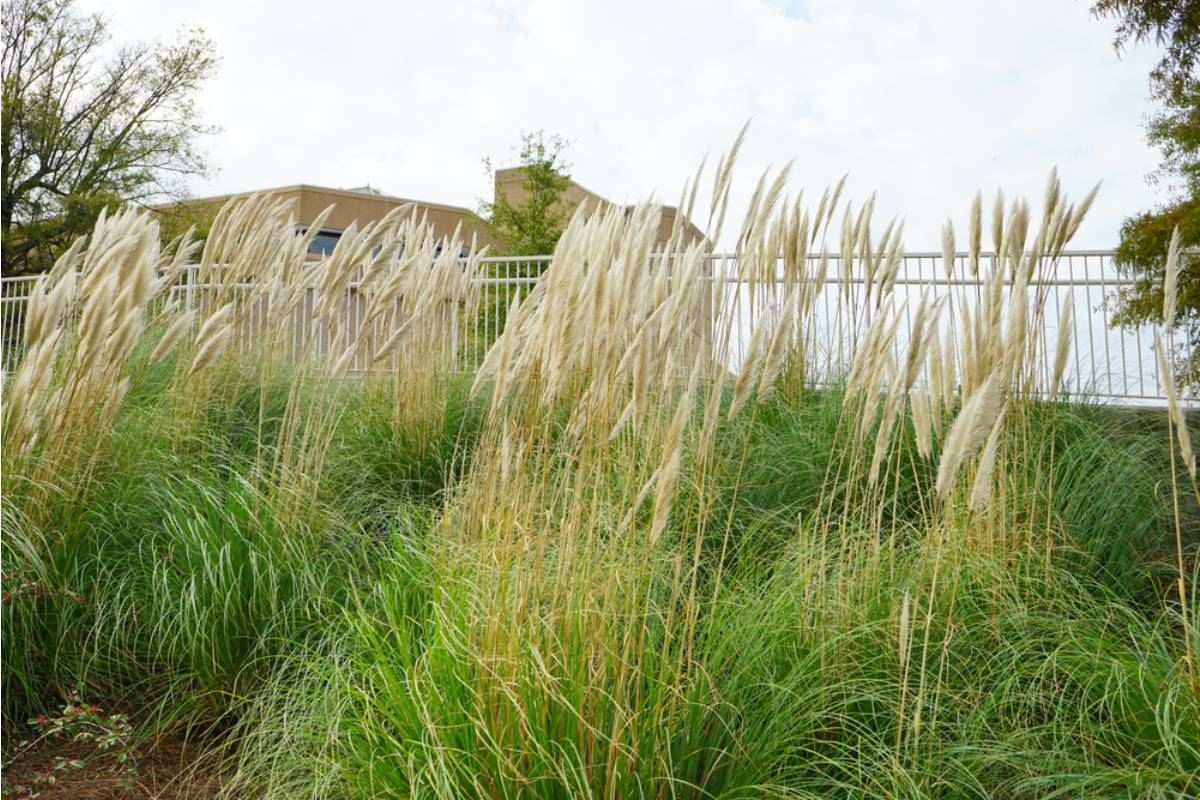
By the fifth month, the grass was no longer something that could be politely described as slightly overgrown. It had become tall enough to change how the neighboring property looked entirely. Weeds were spreading, insects were appearing, and the homeowner felt that the neglected area was beginning to affect his side of the yard.
The upcoming inspection suddenly made the situation even more interesting. The complex was due to be inspected in about two weeks, meaning someone from management would soon have a reason to examine the property without the homeowner having to start an official complaint.
Then a Friend Offered Some Terrible Advice
While talking to a friend, the homeowner considered two possible solutions. He could report the neglected lawn through the proper channels, or he could offer to trim it himself using his own string trimmer and charge his neighbor a fee.
The friend thought both ideas were unreasonable and suggested that he should simply lend the young man the equipment for free. But the homeowner had already learned that lending out his tools could end badly after an older neighbor previously broke the same equipment and left him with the repair bill.
He Was Not About to Lend Out His Trimmer Again
That previous experience had made the homeowner very protective of his gardening equipment. He was no longer interested in handing valuable tools to someone else and hoping they came back in one piece.
There was another problem too. If he started mowing the young neighbor’s lawn, there was a real chance the temporary favor would quietly become his responsibility. One quick trim could turn into another trim, then another, until the person who never maintained the yard no longer had any reason to start.
The Inspection Became the Perfect Opportunity
With the inspection only two weeks away, the homeowner started wondering whether he should simply let management discover the problem naturally. He could report the lawn himself, but doing so might make the neighbor immediately suspicious about who had complained.
The alternative was almost comically simple. Do nothing, allow the lawn to remain exactly as it was, and let the person conducting the inspection see the jungle firsthand. Suddenly, the homeowner had a chance to avoid confrontation while still allowing the official rules to do the work.
A Response From a Person Suggested Waiting
A response from a person suggested that the homeowner leave the lawn completely alone until the inspection. The reasoning was straightforward: if the tenant genuinely had neglected his responsibilities, management could address the issue without the homeowner becoming the person enforcing every rule in the complex.
Another response suggested taking photographs of the lawn over several days, especially in case the neighbor suddenly decided to cut everything down just before the inspection. That way, the homeowner would have a record showing how long the problem had existed instead of relying on memory.
The Garden Was Not the Only Problem
The overgrown lawn was actually part of a much larger pattern. The late-night parties had continued, despite the complex’s noise rules, and the homeowner had already reported those concerns to management once before.
That made the lawn issue more significant because it was no longer just about grass. If management noticed repeated violations in different areas, the young tenant might finally realize that living independently meant paying attention to the rules instead of treating the property like an extension of a carefree college house.
The Homeowner Did Not Want Another Neighbor to Suffer
One detail changed the emotional side of the situation. The homeowner explained that most of the residents were elderly, and before the young tenant arrived, he had been the youngest person living there despite being 32.
The unit on the neighbor’s other side was also empty at the time, which made him wonder who might eventually move in. He did not want an older resident with their own physical limitations to end up dealing with the same noise and overgrown garden problems.
Doing the Work Could Actually Make Things Worse
At first, trimming the lawn himself might sound like the kind and neighborly solution. Yet there was a serious downside. If the homeowner quietly fixed the problem, the neighbor would have little reason to learn that maintaining the yard was his own responsibility.
The garden would look better, but the underlying problem would remain exactly where it started. The young man would still be unaware of the consequences of ignoring the rules, while the homeowner would have added another physically demanding chore to his own list.
Letting the Inspector Find It Changes the Story
The most practical solution may therefore be the least dramatic one. Instead of becoming the neighborhood lawn service, the homeowner could simply step back and allow the inspection to reveal what everyone can already see.
That approach also gives the young tenant a chance to hear directly from management that the lawn must be maintained. A warning from the people enforcing the property rules carries a very different weight from a neighbor politely asking someone to mow.
The Tall Grass Became a Test of Responsibility
For all the frustration surrounding the situation, the lawn itself is almost symbolic. It represents whether the young tenant is willing to adapt to the responsibilities that come with having his own place.
Moving out of a family home can be a major adjustment, especially for someone who may not have handled chores independently before. But learning to mow the lawn, respect quiet hours, and follow the rental agreement is part of becoming comfortable with that independence.
The Neighbor Has a Choice Too
The homeowner ultimately cannot force his neighbor to become more responsible. He can report violations, document problems, protect his own property, and maintain his own garden, but he cannot personally teach another adult how to live.
That is why the choice between cutting the lawn and reporting it matters so much. One option solves the visible problem for a few weeks, while the other gives the person responsible a reason to solve it himself.
The Twist Is That Doing Nothing May Be the Best Gardening Move
The homeowner’s instinct is to fix things, which is understandable for someone who takes pride in keeping a yard healthy and orderly. But this time, the smartest gardening decision may be to leave the hedge clippers and trimmer exactly where they are.
The inspection is already scheduled, the lawn is impossible to miss, and the rules are already written down. By stepping back, the homeowner may finally allow the young neighbor to discover that adulthood comes with a few chores, and sometimes the fastest way to make someone learn how to care for a garden is to stop caring for it on their behalf.