Homeowner Says His Girlfriend Planted a Chokecherry Near the Fence, Then the Neighbor Asked Them to Cut It Down Before It Became the Next Backyard Problem
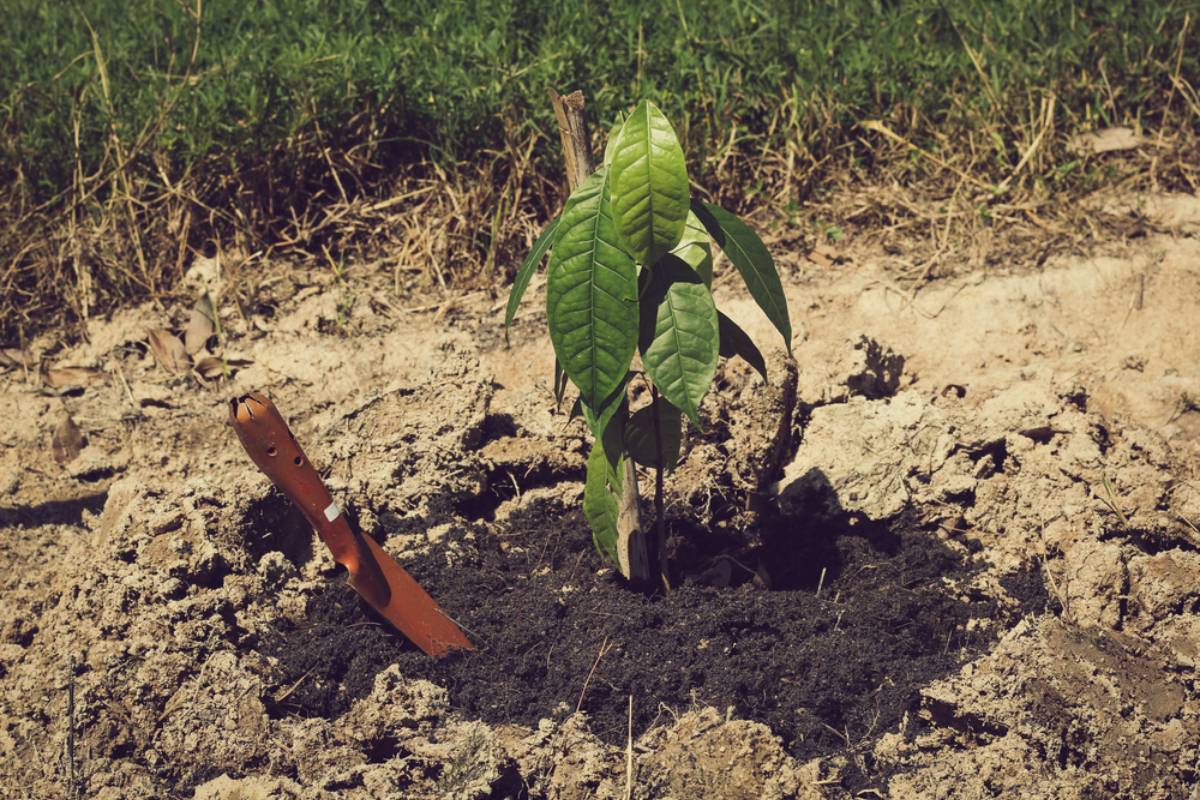
A person shared his story after his girlfriend, an avid gardener, planted a young chokecherry tree in their backyard. The tree was only about eight feet tall, but it had somehow become a major topic of discussion with the neighbors. At first, the homeowners thought the issue might be easy to solve by simply moving it farther from the fence.
Then the neighbor sent a message that made it clear this was not really just about where the tree was standing.
The Springtime Message Arrived
The neighbor opened with a cheerful spring greeting before getting straight to the point. They explained that they hoped to keep the shared fence standing for another year or two and believed trees growing near it could become a problem for both yards. Their biggest concern was an eight-foot tree near the fence that they assumed was a volunteer maple.
The request sounded simple enough on the surface. They wanted permission to cut the tree down before it became any larger, apparently believing that removing it early would prevent a much bigger gardening headache later.
There Was One Small Problem With Their Assumption
The homeowners quickly corrected the identification. The tree was not a random maple that had sprouted by accident but a chokecherry that the girlfriend had intentionally planted. Instead of immediately rejecting the concern, they offered a compromise and said they would be willing to move the tree farther from the fence in the fall.
They also mentioned plans to have their Japanese maple trimmed and promised to be more thoughtful about where future trees were planted. It seemed like a reasonable gardening compromise, but the response from the neighbor suggested that moving the tree a few feet would not be enough.
The Neighbor Had Much Bigger Fears
The neighbor explained that chokecherries could become surprisingly large, potentially reaching around 20 feet tall and spreading 20 to 30 feet wide. They worried the tree would naturally grow toward their property because of the sunlight and claimed its suckers could eventually spread beneath their patio and into their small garden area.
They also brought up an older cherry tree from the property that had allegedly grown from about 10 feet tall to roughly 50 feet. According to the neighbor, they had spent tens of thousands of dollars dealing with trees planted too close to property lines by other neighbors who later failed to maintain them.
The Fence Was Only Part of the Concern
The neighbor then shifted the conversation toward another tree already growing on the property. They asked for the red maple to be trimmed because some of its growth was reaching toward their porch and house. To support their point, they referenced the previous homeowner and explained that the woman who planted the maple and hemlocks had placed them well away from her own porch.
The message ended with an almost apologetic explanation that they were simply trying to make their point about responsible tree placement. Still, the homeowners were left staring at a much bigger disagreement over what counted as reasonable gardening near a property line.
Ten Feet Suddenly Did Not Feel Like Much
The person who shared the story said they were considering moving the chokecherry about 10 feet away from the fence. Even then, they worried the neighbor might still object because the mature tree could eventually spread much farther than its current size suggested.
That concern was understandable because young trees can be deceptive. A small tree that looks perfectly harmless beside a fence can eventually turn into a wide canopy, a maze of roots, and a serious pruning project if its mature dimensions are ignored.
There Was History Behind the Tension
This was not the first tree disagreement between the neighbors. In fact, the previous tree in that same general area had been a sugar maple that grew to more than 70 feet tall, and the neighbors had also pushed for that tree to come down.
In an earlier exchange, they warned that they intended to remove every part of the tree that extended over their property. They even suggested that if only the overhanging sections were removed, the remaining tree would probably look rather unattractive, although they framed the decision around protecting their lives and property.
Years of Saying Yes Had Taken Its Toll
The homeowners admitted that they had historically done whatever the neighbors asked of them. That history made the latest exchange especially frustrating because they felt they had been cooperative for a long time while receiving messages that often felt controlling.
The real problem was becoming harder to define. Was the neighbor making legitimate gardening concerns about mature trees, or had the repeated requests crossed into trying to manage someone else’s backyard? The homeowners were struggling to tell the difference because of how the requests were delivered.
Then The Gardening Debate Got Complicated
A response from a person pointed out that there can be a real difference between being annoyed by a tree and being genuinely affected by one. A large tree can drop leaves, send shoots into another yard, spread roots, or eventually create structural concerns depending on the species and location.
That perspective added an important wrinkle to the story. The chokecherry was not automatically a disaster simply because it was near the fence, but choosing a planting location based only on its current size could create problems years later when the tree was much larger.
Other Gardeners Had Their Own Tree Tales
Another response from a person described living beside a tree that extended over their garden and said the leaves and occasional branches were simply part of living next to a mature landscape. Other people shared stories about mulberry trees, plum trees, walnut trees, and stubborn plants that seemed almost impossible to control once they established themselves.
One particularly memorable story involved a mulberry tree whose berries regularly landed across a yard and even stained a white dog purple. It was a funny reminder that trees can create all sorts of nuisance without necessarily becoming a true emergency.
Roots Can Tell a Different Story
Not every complaint about a neighbor’s tree is purely about fallen leaves. One response from a person described a tree whose roots were actually reaching into a crawl space beneath a home, creating a very different situation from ordinary yard maintenance.
That distinction mattered in this case because the neighbor was talking about possible future problems rather than an existing foundation disaster. The chokecherry had only recently been planted, which meant the homeowners still had an opportunity to relocate it before the tree became deeply established.
The Timing May Have Offered a Perfect Solution
A response from a person suggested that moving the tree sooner rather than later could make the process much easier. Since the chokecherry was newly planted, its root system would have had less time to become firmly established in its current location.
Moving a young tree also gives it a better chance to settle into its new position before the colder months arrive. Suddenly, the disagreement over whether the tree should stay did not have to become an all-or-nothing battle.
There Was Also A Smarter Gardening Approach
Another response from a person pointed out that relocating the tree was not the only possible option. With careful pruning and training, some trees can be managed to remain smaller and keep their growth directed away from structures and boundaries.
That does not mean every species belongs beside a fence, but it does suggest that thoughtful tree care can solve some problems before they become major ones. The homeowners now had several ways to approach the situation instead of simply choosing between keeping the tree exactly where it was or chopping it down.
The Neighbor’s Tone Had Become The Real Problem
Several responses focused less on the tree itself and more on the way the neighbor communicated. Their concerns about mature growth were understandable to some people, but the repeated warnings, previous tree disputes, and references to what had happened with other neighbors made the exchange feel much bigger than a single gardening decision.
The homeowners seemed especially bothered by the sense that every new planting could become another negotiation. Even when they offered to move the chokecherry, they were left wondering whether the new location would simply lead to another complaint down the road.
Then The Neighbor Did Something Nobody Expected
Before the homeowners had even answered the latest message, another message appeared. This time, the neighbor apologized for being harsh and pushy and admitted that they had reacted partly because of the problems they had experienced with neighbors in the past.
They also praised the household as good neighbors and acknowledged that the homeowners had been patient and cooperative. Most importantly, they extended the apology to the girlfriend and roommate as well, turning what had looked like the beginning of another long-running tree feud into something much more human.
The Chokecherry Suddenly Had A Second Chance
The apology changed the entire mood of the situation. What began with a request to cut down a newly planted tree had turned into a conversation about mature garden planning, property lines, pruning, roots, and the emotional baggage that neighbors can carry from earlier experiences.
The homeowners could still choose to move the chokecherry farther away from the fence, and they had already been considering doing so. But now, instead of another hostile gardening standoff, there was room for the neighbors to talk about trees like neighbors again.
Sometimes The Best Garden Fix Is Simply A Better Conversation
The story ultimately became less about whether a chokecherry belonged 10 feet from a fence and more about how quickly gardening choices can become personal when two yards share the same boundary. A tiny tree had managed to reopen old frustrations about a giant maple, previous neighbors, fences, roots, branches, and years of maintenance.
Then came the twist: the person making the biggest complaint was the one who finally stepped back and apologized. What looked like another backyard battle ended with a simple message acknowledging that the approach had gone too far, proving that sometimes the healthiest thing you can grow in a shared garden is a little understanding.