Homeowner Says His Neighbor Has Been Letting Her Cleaning Crew Park Directly on Top of His Garden Bed Every Week, Claiming There Is Nowhere Else on the Street to Leave the Van
When my wife and I bought our home, the front yard was the first thing we decided to improve. The previous owner had left behind a patch of dry dirt, so we spent months turning it into a colorful garden bed filled with native flowers, small shrubs, and decorative stone edging.
It became something we were proud of every time we pulled into the driveway. Neighbors often complimented the landscaping while walking their dogs or pushing strollers down the sidewalk. That is why I noticed immediately when fresh tire tracks suddenly appeared across the edge of the garden one Monday morning.
The First Set of Tire Marks
At first, I assumed someone had accidentally driven too close while making a difficult turn. A few crushed flowers and disturbed mulch were frustrating, but accidents happen.
I carefully replaced the damaged plants and smoothed the soil. By the following weekend, everything looked as good as new, and I figured the problem had solved itself.
The Same Damage Returned Again
The next Monday brought another surprise.
Fresh tire tracks crossed the exact same section of the garden. This time, one of the decorative stones had been pushed several inches out of place, and a newly planted shrub leaned at an awkward angle.
It no longer looked like an isolated mistake.
A Neighbor Connects the Dots
While I was repairing the damage, the elderly man across the street approached with his morning coffee.
He asked, “Have you seen the white cleaning van that parks there every week?”
When I told him I had not, he explained that a cleaning crew visited my next door neighbor every Monday and regularly pulled onto the edge of my landscaping instead of finding a proper parking space.
That was the first real clue.
Waiting for Monday Morning
The following week, I worked from home and kept an eye on the front yard.
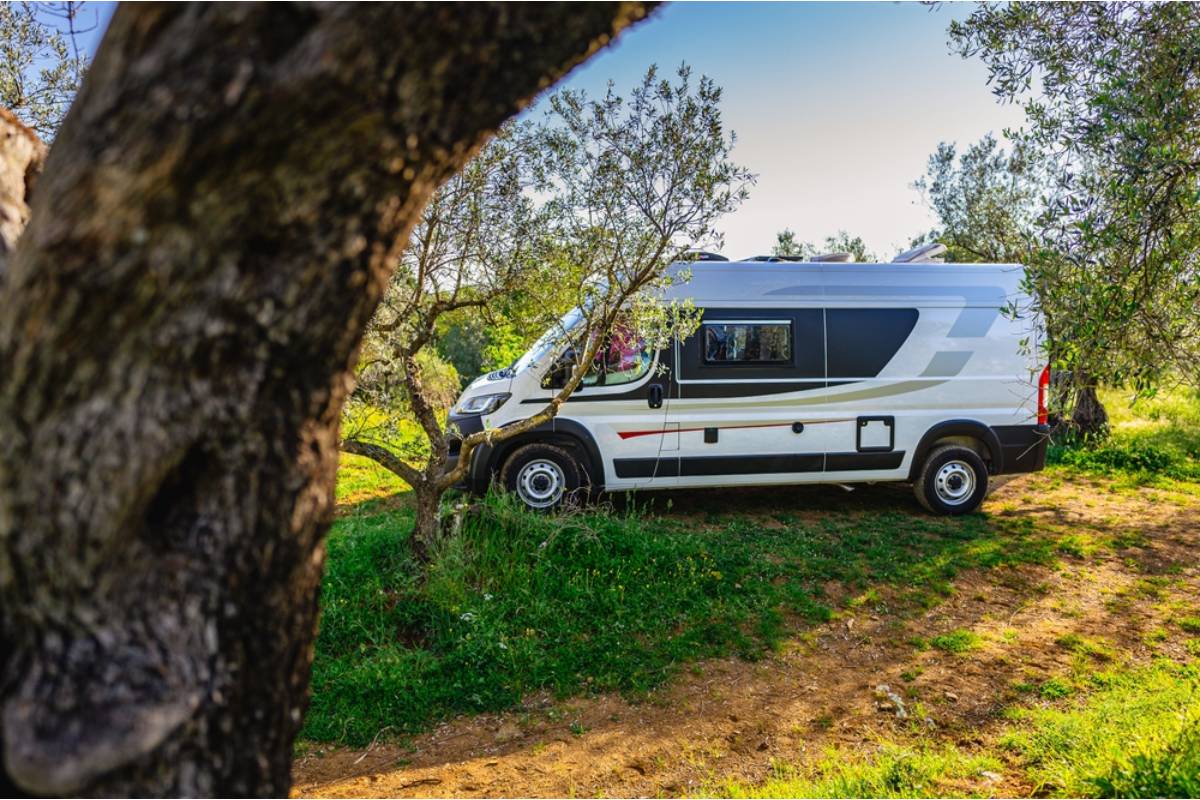
Sure enough, a white cargo van slowly rolled down the street before climbing directly over the curb. The front tires settled into my flower bed as though it were an ordinary parking space.
The driver stepped out carrying cleaning supplies without even glancing at the crushed plants beneath the van.
A Calm Conversation Goes Nowhere
I walked outside before the crew reached my neighbor’s front door.
“Would you mind moving the van?” I asked politely. “You’re parked on my garden.”
The driver looked confused before pointing toward my neighbor’s house.
“She told us to park here because the street gets crowded.”
I thanked him for explaining and waited until my neighbor came outside.
My Neighbor Had an Easy Explanation
When I mentioned the damaged flowers, she barely looked toward the van.
“There just isn’t anywhere else for them to park,” she said.
I looked down the street where several legal parking spaces sat completely empty.
“There are at least four open spots right now.”
She shrugged.
“They’re a little farther away.”
The Garden Starts Falling Apart
Over the next several weeks, the repeated weight of the van compacted the soil until rainwater stopped draining properly.
Flowers that had thrived for years suddenly struggled to survive. The stone border shifted farther apart each visit, leaving gaps that collected weeds and scattered mulch across the sidewalk.
Instead of greeting guests with colorful landscaping, the front yard began looking neglected despite my constant efforts.
The Cleaning Crew Learns the Truth
The following Monday, I met the crew before they parked.
I explained that the garden belonged to me and politely asked them to use the available curbside spaces instead.
One employee immediately apologized.
“We honestly thought this was part of the homeowner’s property.”
They seemed genuinely embarrassed after realizing they had been directed onto someone else’s landscaping.
A New Driver Changes Everything
For two weeks, the problem disappeared.
Then a different driver arrived with the crew.
Without hesitation, he steered straight onto the garden again. When I stopped him, he answered, “Your neighbor told us that’s where we’ve always parked.”
It became obvious that the instructions had never changed.
Photos Tell the Whole Story
I decided to document everything.
Every Monday, I photographed the garden before and after the cleaning crew arrived. The pictures showed flattened flowers, cracked edging stones, and fresh tire impressions cutting through the mulch.
After several weeks, the pattern became impossible to dismiss as coincidence.
Another Neighbor Speaks Up
One afternoon, a woman who lived farther down the block knocked on my door.
She admitted she had witnessed the parking situation several times while walking her dog.
“I’ve even heard the cleaners asking if they should move,” she told me. “Your neighbor always says, ‘Don’t worry about it. He won’t mind.'”
That sentence frustrated me more than the damaged flowers.
Nobody had ever asked what I minded.
The Homeowners Association Gets Involved
Our neighborhood association happened to schedule its monthly meeting during that same period.
Instead of making emotional accusations, I simply shared the photographs documenting the repeated damage. Several board members recognized the location immediately because they frequently walked past the garden.
They agreed that directing visitors to park on someone else’s landscaping violated community standards and promised to address it formally.
An Unexpected Apology Arrives
A few days later, my neighbor knocked on my door looking noticeably uncomfortable.
She admitted she had prioritized convenience because she did not want her cleaning crew carrying equipment very far.
“I didn’t think it was causing that much damage,” she quietly said.
I invited her to walk through the flower bed.
Once she saw the compacted soil, broken roots, and dying plants up close, her expression changed completely.
Rebuilding More Than a Garden
The following weekend, something surprising happened.
My neighbor arrived carrying gardening gloves, replacement flowers, bags of mulch, and several members of the same cleaning crew. They spent the afternoon helping remove damaged plants, loosen the compacted soil, and rebuild the stone border.
The crew repeatedly apologized, explaining they had only followed the parking instructions they had been given. By the end of the day, the flower bed looked healthier than it had in months, and everyone shared cold lemonade on the front porch before heading home.
The experience reminded me that most neighborhood conflicts grow because people assume instead of asking. A few extra steps from a legal parking space would have prevented months of frustration and unnecessary damage. More importantly, one honest conversation and a willingness to accept responsibility repaired more than crushed flowers. It restored the sense of respect that makes a neighborhood feel like a community.