Gardener Finds His Lawn Covered in a Neighbor’s Tree Trimmings, But the Pallet Takes Things Further
Living next to other people usually means accepting a few everyday annoyances. Leaves blow across property lines, rainwater follows the slope of the ground, branches fall, and occasionally someone’s yard project creates a little extra mess. But one homeowner in Fort Worth found himself wondering whether his new neighbors were simply inconsiderate or whether something much more frustrating was beginning.
A person shared his story after a couple moved into the house next door and started placing tree trimmings and other bulky items across the property line. What began with a pile of branches eventually involved logs, a wooden pallet, and a surprisingly determined effort to put that pallet back where it had been removed from. The situation left him asking what he should do before a relatively small gardening dispute turned into a full-blown neighborhood feud.
The New Neighbors Changed the Dynamic
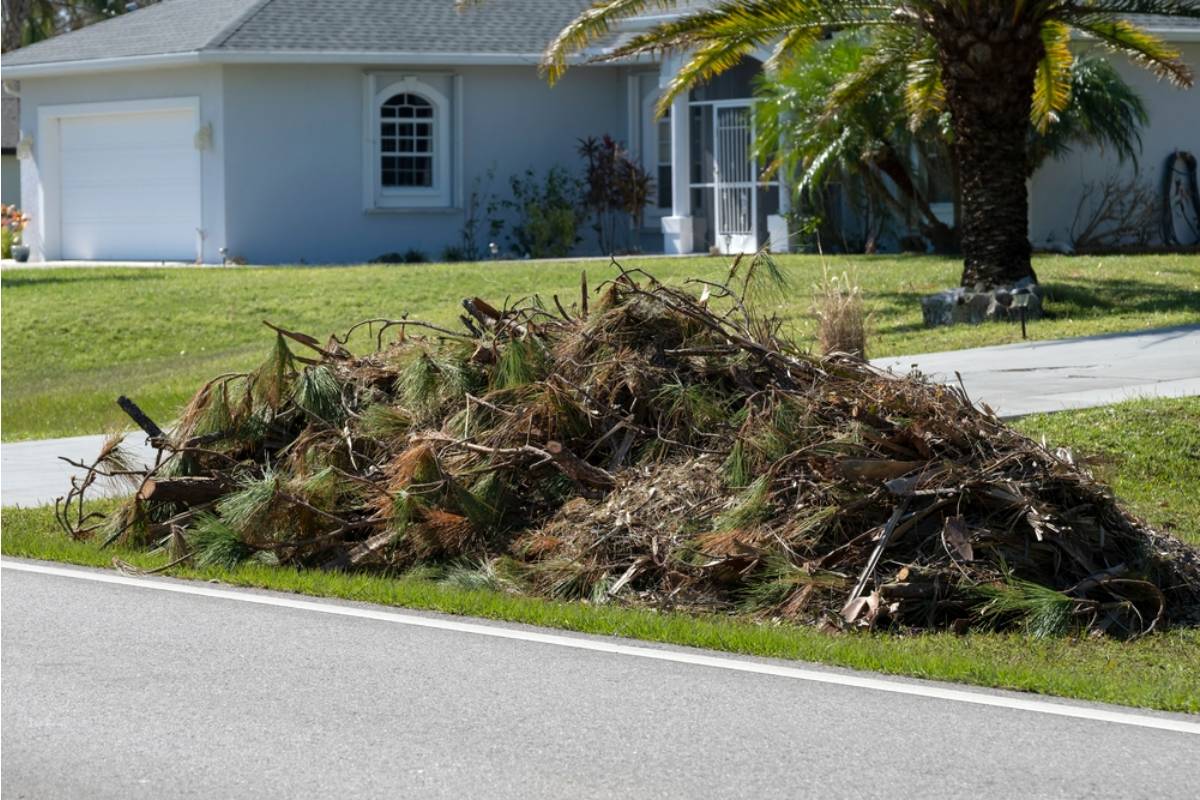
The homeowner explained that the neighbors had moved in about a year earlier. Until recently, however, there had been very little interaction between the two households, so there wasn’t an established history of arguments or disagreements between them. Everything changed when the new neighbors began doing yard work and apparently decided that part of the resulting debris could be placed on his side of the property.
The important detail was that the two properties were separated by a chain-link fence. From his perspective, there wasn’t much ambiguity about where one yard ended and the other began. He was therefore surprised to find tree trimmings and bulky yard waste placed beyond that boundary without anyone asking permission.
Tree Trimmings Became the First Problem
The homeowner approached the woman and explained that he wasn’t comfortable with them putting their bulk trash on his property. Instead of receiving a simple apology and an offer to move everything, he said the woman responded rudely and made him feel as though he were the unreasonable one.
She did eventually say the material would be moved the following Monday if the trash collection service didn’t take it. That sounded like a reasonable enough solution, and the homeowner apparently hoped the situation would end there. Unfortunately, the garbage collection did not completely solve the problem.
The Brush Was Collected, But the Logs Stayed
When trash collection arrived, the brush was picked up, but several logs were left behind. Those logs remained in place until Friday, meaning the homeowner had to look at someone else’s yard debris sitting on his side for several more days.
Eventually, the husband moved the logs. That could have been the end of the matter, and perhaps everyone could have chalked it up to a misunderstanding or poor communication. Instead, the woman apparently placed a wooden pallet on the grass strip after the logs were gone.
The Pallet Took Things to Another Level
The homeowner’s sister noticed the pallet and decided to move it back toward the neighbor’s side. There was nothing particularly dramatic about that action, but the neighbor’s response made the situation much more memorable.
Later, the woman went outside and physically moved the pallet back to the same area. Suddenly, this wasn’t just a pile of branches waiting for pickup. Someone had deliberately moved an object from one side of the property line to the other, only for it to be returned.
The Grass Was Caught in the Middle
For someone who cares about their yard, piles of branches and logs aren’t exactly harmless decorations. Leaving bulky material on grass can smother the vegetation underneath, leaving flattened or damaged patches that may take time to recover.
That made the homeowner’s frustration understandable even beyond the question of property boundaries. He wasn’t asking his neighbors to maintain a perfectly spotless yard. He simply didn’t want their landscaping debris becoming part of his own lawn and garden area.
A Chain-Link Fence Should Have Made Things Clear
One detail repeatedly shaped the discussion around the situation: there was already a chain-link fence separating the properties. The fence wasn’t some invisible boundary that required a surveyor to explain where the neighbor’s yard ended.
That made several people question why the debris had crossed the fence in the first place. Even if the neighbors believed the strip of grass beyond the sidewalk or near the road belonged to someone else, the homeowner still had a legitimate reason to determine exactly who controlled and maintained that particular area.
Then the Homeowner Asked for Advice
The person who shared the story wasn’t initially looking for revenge. He wanted to know how to handle the situation without turning a small disagreement into a long-running feud.
That distinction mattered because some responses suggested extremely petty ways of returning the pallet and logs. Others argued that escalating the situation would only make the relationship worse. A calmer group suggested documenting everything and using the appropriate local authorities if the behavior continued.
Some People Suggested Calling the City
One response from a person suggested contacting the local municipal service and reporting the dumping, particularly because the homeowner said he had video evidence. Another person cautioned that the strip of land outside a sidewalk can sometimes involve an easement or other complicated ownership arrangement.
That was an important point because the homeowner’s first assumption about the grass strip might not necessarily settle the legal question. Property ownership, maintenance responsibilities, and municipal rights can sometimes overlap in ways that aren’t obvious from looking at a lawn or fence.
The Fort Worth Code Compliance Answer Was Unexpected
The homeowner later provided an update after contacting code compliance in Fort Worth. The response he received explained that brush and branches could legally remain out for collection and were not automatically considered a code violation simply because they were sitting outside for a period of time.
That meant the pile itself wasn’t necessarily enough for code enforcement to intervene. However, the homeowner was also told that he could contact solid waste about missed brush collection and that dumping material onto another person’s property could be a separate issue. That distinction gave him a clearer idea of where the actual dispute belonged.
The Police Became Part of the Story
After speaking with code compliance, the homeowner contacted the police and explained what had happened. According to his update, the officer said he would come by and speak with the neighbors about the property lines.
That didn’t guarantee the situation would disappear, but it created a formal response instead of leaving the homeowner to argue with his neighbor in the street. It also meant the neighbors would at least hear from someone outside the immediate dispute about where their property ended and someone else’s began.
The Pallet Was the Most Telling Detail
The pallet became the part of the story that many people found especially frustrating. A pile of branches could potentially be explained as confusion about collection schedules, while logs left behind could be blamed on the trash service.
The pallet was different because the homeowner’s sister had already moved it away, and the woman later moved it back. To several people responding to the story, that action made the situation look less like an innocent mistake and more like deliberate stubbornness.
People Had Plenty of Petty Solutions
The responses naturally produced a collection of creative ideas for dealing with the unwanted pallet. Some people suggested returning it directly to the neighbor’s property with a polite note, while others joked about putting it somewhere dramatically inconvenient.
A few suggestions went much further, including ideas involving vehicles, doors, and other forms of retaliation. Those responses were entertaining, but other people pointed out that starting a cycle of petty revenge could quickly transform a manageable property dispute into a much bigger neighborhood conflict.
Documentation Became the Sensible Advice
Among the more practical responses was a recommendation to take dated photographs and preserve any video showing where the debris was placed. That would create a record if the same thing happened repeatedly.
For a homeowner dealing with a boundary dispute, documentation could also help separate facts from arguments. Instead of relying on memories about who moved what and when, there would be photographs showing the location of the material before it was moved.
The Property Line Mattered More Than the Trash
The most useful part of the situation wasn’t really the branches, logs, or pallet. It was the question of whether the neighbors were intentionally placing their belongings or yard waste across the property boundary.
Once that became the focus, the homeowner had a much clearer path forward. Rather than arguing about whether the pile was ugly, whether the grass was being damaged, or whether the neighbors were being rude, he could simply establish where the property line was and document what happened afterward.
Gardening Disputes Can Start Small
Garden and yard disagreements have a strange ability to grow from tiny annoyances into major neighborhood conflicts. A branch crosses a fence, someone moves it, another person moves it back, and suddenly two households are keeping track of every leaf that lands in the wrong place.
The homeowner seemed aware of that possibility, which was why he asked for advice before the situation became worse. The best responses generally encouraged him to remain calm, avoid retaliatory behavior, and establish a clear record if the neighbors continued placing their material on his side.
The Neighbors Had Already Been Given a Chance
The homeowner had already spoken directly to the woman about the problem. He had explained that he didn’t appreciate their debris being placed on his property, and she had promised that the material would be moved.
That gave him a reasonable basis for treating future incidents differently. If the same behavior continued after the boundary had been discussed, it would become increasingly difficult to describe every occurrence as an innocent misunderstanding.
This Wasn’t Yet a Full Neighbor War
Despite the frustration, the situation had not reached the level of the truly outrageous neighborhood stories people often encounter. There were no accusations of destroying gardens, cutting down trees, damaging property, or deliberately poisoning plants.
It was still a dispute over yard waste and a pallet. But as several responses pointed out, these conflicts can become much more serious when neither side is willing to stop pushing the other.
The Smartest Move Was to Avoid the Revenge Game
The temptation to return every piece of trash in an increasingly dramatic way was obvious. Yet deliberately escalating the situation could make the homeowner look just as unreasonable as the neighbor, especially if the dispute eventually involved authorities or property records.
A better approach was much less entertaining but far more useful: photograph the debris, preserve video, keep records of conversations, and use official channels when necessary. That way, the homeowner wouldn’t have to win an argument in the driveway because the evidence would speak for itself.
A Small Garden Problem Could Become a Bigger Story
For now, the homeowner had taken the first formal step by contacting local authorities. The police were expected to speak with the neighbors, and that conversation would reveal whether the situation could finally settle down.
The real test would come afterward. If the branches disappeared, the pallet stayed on the correct side of the fence, and everyone went back to minding their own yards, this might eventually become nothing more than an irritating story about new neighbors. If the debris started appearing again, however, the homeowner would have a documented pattern showing that the problem was no longer accidental.
The Lesson for Anyone With a Yard
A fence may separate two gardens physically, but it doesn’t always prevent disagreements about what happens on either side. Yard waste, branches, grass strips, drainage, leaves, and landscaping projects can all become sources of tension when neighbors have different ideas about where their responsibilities end.
For gardeners and homeowners, the safest approach is often surprisingly simple. Know the property boundaries, keep the yard documented, communicate clearly, and don’t allow a small landscaping disagreement to lure both sides into a petty competition. In this case, the homeowner wasn’t dealing with a confirmed neighbor from hell yet, but the pallet certainly wasn’t helping his new neighbors make a good first impression.
The Pallet May Have Been a Warning Sign
What made the story memorable wasn’t the size of the problem but the persistence behind it. A few branches left for collection could be overlooked, and even forgotten logs might eventually disappear with the next pickup.
But moving a pallet back after someone had already removed it sent a different message. Whether that was the beginning of a long-running neighborhood dispute or simply one remarkably stubborn disagreement remained to be seen, but the homeowner now had plenty of reason to keep his eyes open and his camera ready.