Homeowner Says Neighbor Keeps Pruning Their Lavender and Basil Without Permission, Then Plants a Garden Gnome and Claims It Ties Everything Together
A person shared his story about a surprisingly frustrating situation involving a small front yard, a few innocent plants, and a neighbor who apparently believed he had been appointed the neighborhood’s unofficial gardening supervisor. The two residents lived in a duplex and shared a front yard that was clearly divided down the middle, giving each person a designated space to enjoy. On his side, the homeowner had planted lavender, basil, and marigolds, creating a simple little garden that brought color, fragrance, and fresh herbs to the property. It was nothing extravagant, but it was exactly the kind of modest garden that makes coming home feel a little more welcoming.
Unfortunately, the neighbor seemed to have developed a very different vision for the space, one that involved considerably more control than anyone had requested. Rather than tending to his own plants, he began treating the homeowner’s half of the yard as an extension of his personal landscaping project. At first, the unwanted attention might have seemed like an awkward attempt to be helpful, but the repeated interference soon became difficult to ignore. What started as a shared outdoor space was turning into a gardening dispute neither resident had apparently signed up for.
The Neighbor Arrives With Scissors and His Own Ideas
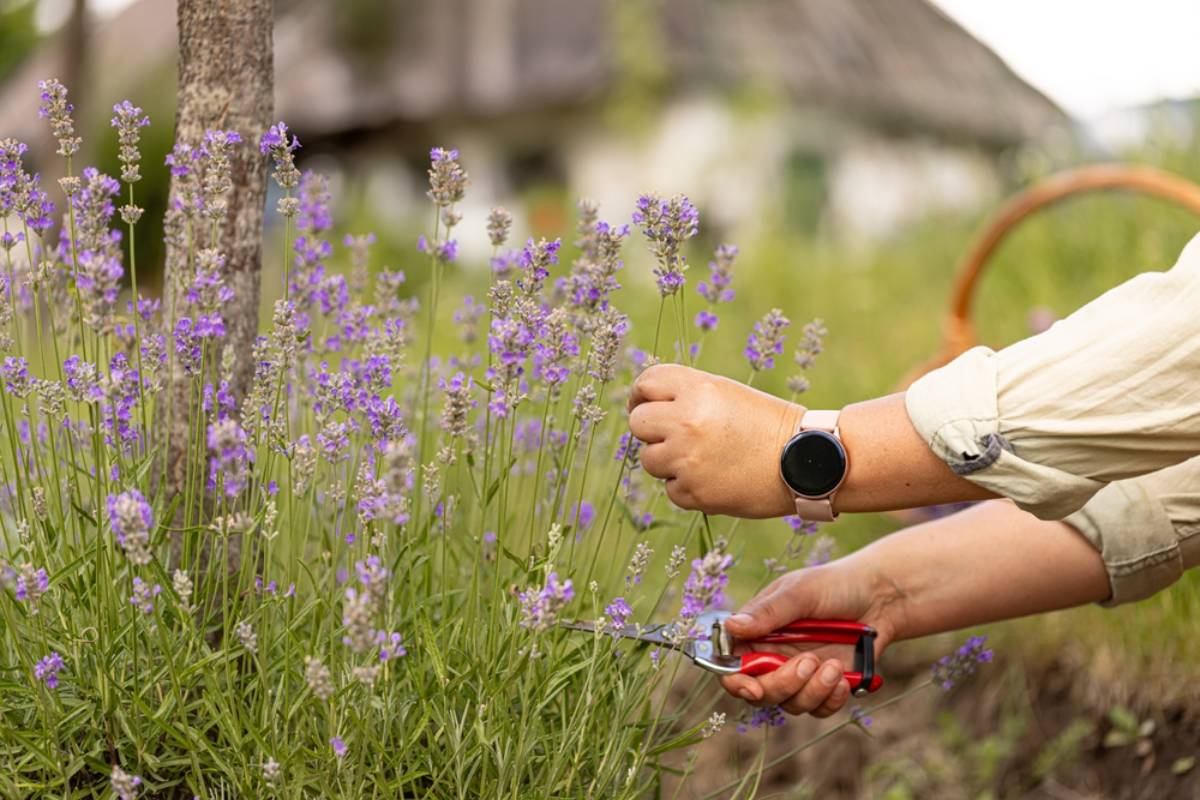
The homeowner explained that his neighbor, a man in his fifties, would casually walk outside wearing gardening gloves and carrying scissors. He would then begin trimming stems from the homeowner’s plants without asking for permission or checking whether anything actually needed cutting. Lavender, basil, and marigolds might seem like easy plants to care for, but even a small garden deserves attention from the person who planted it. The neighbor, however, appeared convinced that his experience and personal preferences gave him the right to make those decisions.
Imagine spending a pleasant afternoon arranging your herbs and flowers, only to discover that somebody has already decided which stems should stay and which should go. Pruning can be beneficial when done at the right time and for the right reasons, but unnecessary cutting can affect a plant’s shape, flowering, and growth. Basil, for example, benefits from thoughtful pinching and harvesting, while lavender needs pruning that respects its growth habits. The homeowner had not asked for gardening lessons, yet his neighbor seemed determined to provide a practical demonstration anyway.
Apparently, Lavender Can Look Too Chaotic
Things became even more frustrating when the homeowner finally asked the neighbor to stop touching his plants. Instead of apologizing or recognizing that he had crossed a boundary, the man explained that he was simply helping maintain the yard because it looked a little too chaotic. His reasoning suggested that he viewed the plants as a shared responsibility rather than something the homeowner should control on his own side. Unfortunately for him, the homeowner was perfectly happy with the way his garden looked.
The description of lavender as chaotic made the situation almost comical, especially considering the modest scale of the planting. Lavender is naturally informal in appearance, with flowering stems that sway and grow in different directions, so a perfectly uniform look is not necessarily the goal. Marigolds bring their own bright, cheerful character, while basil is generally grown for its leaves rather than its ornamental perfection. A garden does not have to resemble a professionally maintained botanical display to be healthy, useful, or beautiful.
When Helpful Pruning Becomes Unwanted Interference
The real problem was not that the neighbor enjoyed gardening, but that he kept making changes without permission. There is a meaningful difference between offering advice about a struggling plant and taking scissors to someone else’s flowers because their arrangement does not match your preferences. Good gardening requires patience, observation, and an understanding that different people have different ideas about how their outdoor spaces should look. The neighbor seemed to have confused his personal taste with an obligation to correct everybody else’s.
For the homeowner, every unexpected trim meant wondering what might have been cut next and whether another plant would look different when he returned outside. Even well-intentioned pruning can become harmful when the gardener does not know the plant’s condition, growth pattern, or purpose. The situation also created an uncomfortable social problem because confronting a neighbor can make everyday life at home more awkward. Still, maintaining a peaceful relationship should not require someone to surrender control over their own garden.
The Mystery of the Rocks and the Uninvited Gnome
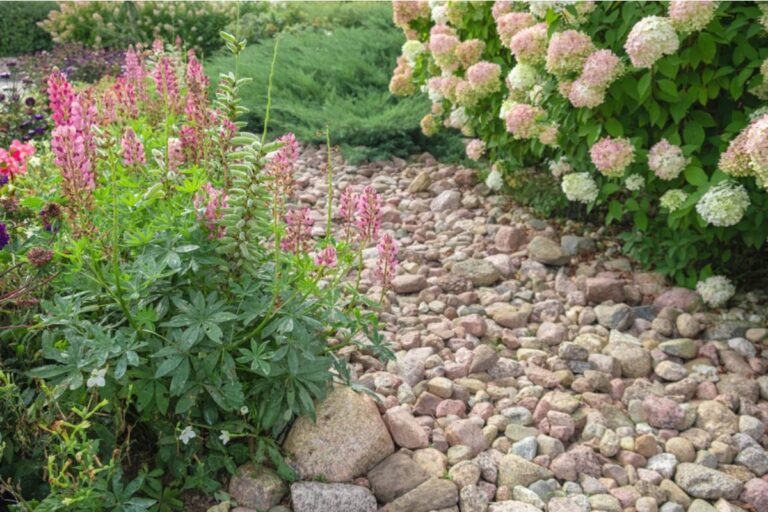
Just when the homeowner thought the unwanted pruning was enough, he returned home one day to discover a new addition to his side of the yard. Small decorative rocks had appeared alongside a garden gnome that he had never purchased or placed there himself. The arrangement was apparently part of the neighbor’s effort to improve the overall appearance of the shared outdoor space. It was an unexpected makeover, complete with landscaping accessories that had not received an invitation.
The homeowner was particularly baffled by the neighbor’s explanation that the decorations tied the whole look together. Apparently, the man had progressed from trimming other people’s plants to supplying decorative features for their garden, all without checking whether they were welcome. Garden gnomes can certainly add personality to flower beds, and decorative stones can look attractive when thoughtfully arranged around appropriate plants. The problem was that the homeowner had not asked for either, making this less of a design collaboration and more of an unsolicited landscaping takeover.
A Garden Gnome Becomes the Star of the Dispute
There was something almost theatrical about the appearance of the gnome, as though the neighbor had decided that his gardening project needed a finishing touch. The homeowner had started with a straightforward collection of herbs and colorful flowers, but now he was dealing with an unexpected decorative figure and a selection of rocks. It was no longer just a question of whether the lavender needed trimming or whether the marigolds looked tidy enough. The neighbor had begun altering the garden’s entire appearance according to his own taste.
For anyone who enjoys gardening, personal style is part of the fun, whether that means arranging formal flower beds, growing vegetables in neat rows, or letting an informal patch of herbs develop naturally. Some gardeners love ornaments and carefully arranged borders, while others prefer to keep things simple and focus on the plants themselves. Neither approach is automatically better, provided the gardener respects the boundaries of the space involved. In this case, the gnome became a funny symbol of a much bigger problem: one resident was making decisions for another.
The Homeowner Tries to Stay Polite
Despite the repeated interference, the homeowner explained that he had tried to remain polite. That is understandable because living in a duplex means the two neighbors may have to see each other regularly, whether they are collecting deliveries, leaving for work, or tending to their plants. A minor disagreement can become uncomfortable when both people share a common outdoor area. The homeowner wanted the unwanted gardening to stop without turning the front yard into the setting for a long-running feud.
Unfortunately, politeness does not always communicate a boundary as clearly as someone intends. A person who genuinely misunderstands the situation may interpret a gentle request as an invitation to discuss the matter rather than a firm instruction to stop. Someone who is accustomed to doing things their own way might simply continue unless the message is unmistakable. That is why several people responding to the story recommended being more direct instead of hoping the neighbor would eventually recognize the problem on his own.
One Response Recommended a Clear Gardening Boundary
A response from a person suggested saying plainly that the neighbor needed to respect the homeowner’s property and stop altering the landscaping. The advice emphasized that the homeowner should not feel obligated to soften the message so much that its meaning became unclear. Rather than debating whether the plants looked messy, the homeowner could focus on the essential point: the garden was his to maintain. A short, firm statement could make that boundary much harder to misunderstand.
This approach also avoids getting dragged into a never-ending discussion about gardening preferences. The neighbor might sincerely believe that trimming the lavender improves its appearance, but that does not mean the homeowner has to agree with him. A useful conversation could acknowledge the neighbor’s interest in gardening while making it clear that the homeowner prefers to make his own decisions. After all, the aim is not to win a competition over who has the better landscaping ideas but to establish who gets to care for which plants.
Another Person Recommended Making Sure the Message Was Understood
Another response from a person suggested combining direct eye contact with an unmistakable request to stop. The advice went beyond simply asking the neighbor to leave the garden alone and recommended checking that he understood the instruction. That distinction matters because people sometimes respond to an initial objection by explaining their intentions instead of listening to what the other person actually wants. A clear statement followed by a direct question could prevent the conversation from drifting back into a debate about what looks best.
For example, the homeowner could calmly explain that he appreciates the offer to help but does not want anyone pruning, moving, or decorating his plants without permission. He could then ask whether the neighbor understands that the homeowner wants to manage his own side of the garden. There would be no need for insults, raised voices, or an elaborate lecture about plant ownership. The goal would simply be to replace the neighbor’s assumptions with an unmistakable understanding of the boundary.
The Gnome’s Unexpected Journey Home
Several responses suggested a practical solution for the surprise decorations: return the rocks and gnome to the person who brought them over. This would address the unwanted additions without requiring the homeowner to damage anything or start a petty argument. Placing the items neatly on the neighbor’s own side, or returning them directly, would make it clear that the decorations were not part of the homeowner’s chosen garden design. It would also give the neighbor an opportunity to understand that the gesture had not been appreciated.
Some people took the idea further and joked about turning the gnome into a wandering garden ornament, appearing in different locations to make a point about boundaries. Others imagined placing unwanted objects on the neighbor’s lawn and letting him decide what to do with them. These suggestions were clearly offered with a sense of humor, but they also revealed how absurd the original situation had become. A tiny garden ornament had somehow inspired an entire imaginary campaign of decorative revenge.
Why Retaliation Could Make the Garden Problem Worse
The playful responses were entertaining, but escalating the dispute would not necessarily make life easier for the homeowner. Altering the neighbor’s garden in return, scattering decorations, or deliberately introducing plants intended to create problems could turn a straightforward request into an ongoing battle. The two residents would still have to share the front yard, and every new act of retaliation could provide another reason for an argument. Even an amusing prank might leave both sides more determined to get the last word.
A better solution would be to return the unwanted items, restate the boundary, and document any continued interference if necessary. If the neighbor repeatedly ignores explicit requests, the homeowner could look into the property’s rules, lease arrangements, or local guidance about shared outdoor spaces. A small physical divider might also help clarify the boundary, provided it is permitted and does not violate the terms of the property. The important thing is to protect the garden without creating a fresh problem that could be harder to resolve.
Could a Small Garden Divider Prevent Future Problems?
One response raised the possibility of installing a simple barrier if the neighbor refused to respect the division between the two sides. In a shared front yard, even a modest visual marker can help communicate where one person’s planting area ends and the other’s begins. A low edging strip, small decorative border, or suitable planter arrangement might create a clearer distinction without making the garden look unfriendly. However, any permanent installation would need to comply with the property’s rules and the terms governing the shared area.
A divider would not solve every problem if the neighbor remained determined to interfere, but it could make the physical layout less open to interpretation. It might also discourage accidental trampling or make it easier to identify which plants belong to which resident. Before adding anything, the homeowner would need to establish exactly what he is allowed to modify in the shared yard. Clear expectations, combined with a practical garden layout, are often more effective than relying on an invisible line that one neighbor apparently does not recognize.
The Bigger Problem May Not Be Gardening at All
The story also prompted comparisons with other neighbors who treated themselves as unofficial managers of their streets. Some people described individuals who rearranged outdoor decorations, criticized other residents’ yards, or decided that their own ideas of tidiness should apply to everyone nearby. One person even recounted a neighbor who had damaged a mature pine tree while supposedly offering to prune it. Such experiences suggest that an unwanted gardening favor can feel especially upsetting when it becomes part of a larger pattern of disregarding personal boundaries.
There is an important lesson here for anyone who loves working outdoors: enthusiasm does not automatically translate into permission. A neighbor may have excellent horticultural knowledge and still need to ask before touching another person’s plants. The most beautiful pruning technique in the world will not make up for removing a stem from a garden where the gardener specifically asked you to leave everything alone. Respecting the person behind the plants is just as important as understanding the plants themselves.
A Peaceful Garden Starts With Mutual Respect
For now, the homeowner’s main concern was simple: he wanted to enjoy his lavender, basil, and marigolds without discovering another surprise makeover. The strongest advice from people responding to the story centered on keeping the message straightforward, returning unwanted decorations, and refusing to get pulled into arguments about appearance. There was no need to prove that the neighbor had terrible taste or that the homeowner’s garden was objectively better. The homeowner only needed to make it clear that the plants were not available for someone else’s unsupervised gardening experiments.
The situation is a useful reminder that good neighbors can offer suggestions, share gardening tips, and even help water plants when asked. What they should not do is assume that a shared front yard gives them unlimited authority over another person’s half. Lavender does not have to be perfectly symmetrical, basil does not need a stranger’s approval, and marigolds certainly do not require a decorative gnome to justify their existence. Sometimes, the best way to keep a garden growing happily is to let its owner decide what happens next.