Homeowner Says Neighbor Kept Treating Her Garden-Side Grass Like a Private Parking Lot, Until the City Told Her She Was Responsible for Stopping It
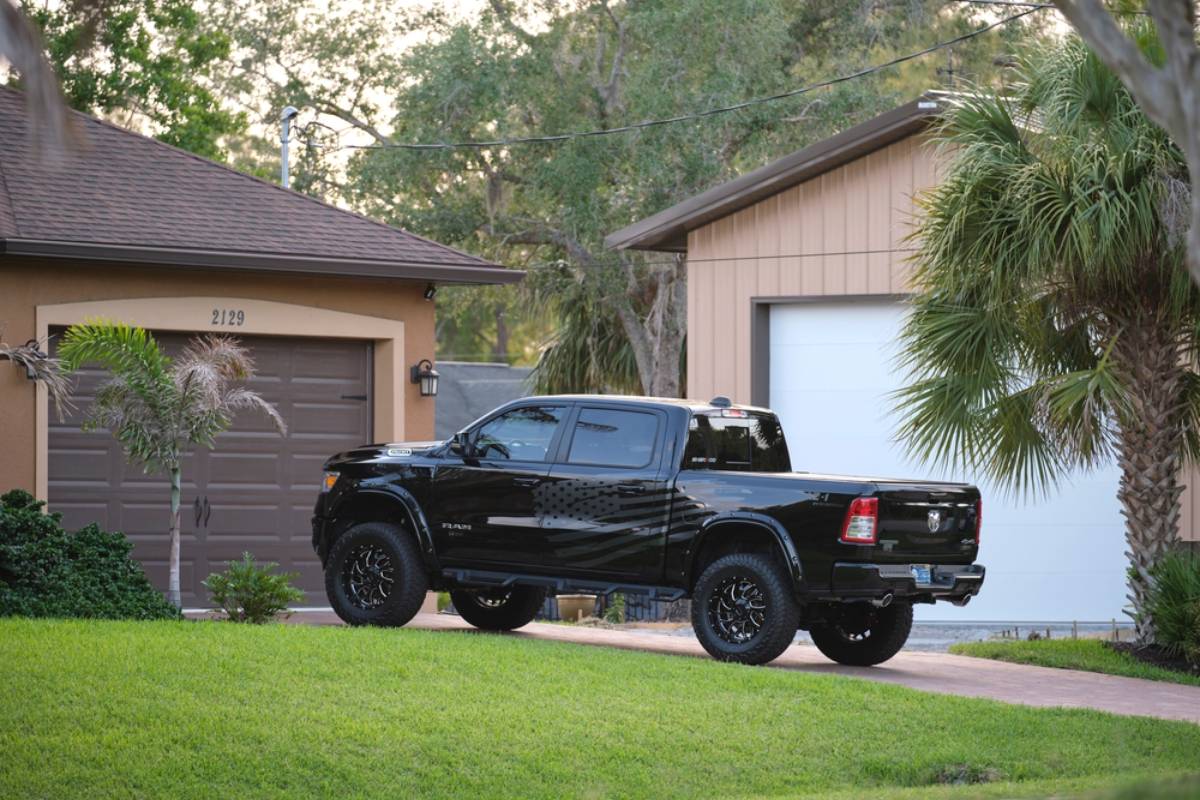
A person shared a surprisingly complicated yard problem involving a paved easement running through their property. Because the home sits closest to the street, the entire easement is located within their property, including the narrow landscape buffers along both sides. Those grassy strips may look like ordinary lawn, but according to the homeowner, they have become a favorite parking spot for a neighboring property.
The real frustration is that the paved portion is only wide enough for one car. Instead of accepting that limitation, the neighbor has apparently been using the grass to make room, sometimes leaving vehicles partly on the pavement and partly on the lawn. What started as a small patch of trampled grass turned into an ongoing battle over landscaping, parking, and property boundaries. Before long, the homeowner was searching for something strong enough to make the lawn impossible to use as a driveway.
The Neighbor Thought the Grass Belonged to Him
According to the person who shared the story, the neighbor appears to believe he owns the grassy buffers as well as part of the easement. The homeowner sees things very differently and says the grass belongs to their property. That difference in understanding has turned a simple strip of lawn into the center of a much bigger neighborhood dispute.
The homeowner even checked with the city, hoping there would be a straightforward answer. City records reportedly showed that the grass belonged to the homeowner, not the neighbor. The city also explained that the homeowner could install something in the landscape buffers to prevent vehicles from parking there.
The Grass Was Not Just Grass Anymore
There was another wrinkle that made the situation even more stressful. The homeowner said parking on the grass is against local code, meaning the issue is not simply about who owns the lawn. The city reportedly told the homeowner that property owners are responsible for maintaining and controlling their property, which put the burden of preventing the parking problem back on the homeowner.
That created an unusual situation where the person being inconvenienced also felt responsible for stopping the violation. The homeowner explained that the city was holding off on fines because they were actively trying to find a solution. Meanwhile, the neighbor and their visitors were still treating the area as though it were an extra parking lane.
A Long, Narrow Landscaping Challenge
The dimensions made the project particularly awkward. The grassy buffers were described as roughly 115 feet long and only 5 to 6 feet wide on each side. That is plenty of room for a beautiful landscape feature, but not exactly a blank canvas for someone who wants a quick, low-maintenance barrier.
The homeowner specifically wanted to avoid bushes and trees. Roots could potentially interfere with the nearby pavement, while shrubs would create another job to maintain. Instead, the goal was simple: find something landscaping-related that looks intentional, stays put, and makes parking on the grass a terrible idea.
The Homeowner Wanted the Solution Installed Fast
There was also a very specific deadline driving the search for ideas. The homeowner expected the neighbor to come home from work and wanted the landscaping finished before that happened. In other words, there was no interest in a project that required weeks of digging, planting, watering, and waiting for things to grow.
That instantly made some traditional landscaping options less appealing. A garden border that takes months to mature would not solve an immediate parking problem. The homeowner needed something that could transform the lawn from tempting parking area into clearly defined landscape space almost immediately.
Then Someone Suggested the Obvious Landscaping Weapon
One response from a person cut straight to the point with a surprisingly simple idea: boulders. Instead of planting a hedge or building an elaborate garden wall, the suggestion was to place large decorative rocks along the grass. The idea was that the rocks could act like oversized landscaping ornaments while quietly doing the job of vehicle barriers.
The homeowner immediately wondered whether boulders would actually count as landscaping. That question opened the door to a whole series of practical suggestions. Suddenly, the answer to the parking problem might not involve a living plant at all.
The Boulders Had Some Unexpected Advantages
Another response from a person explained that boulders can work much like bollards, except they can look far more natural in a landscaped yard. Someone described a neighborhood where large rocks had been placed in front of a brick sign after a vehicle crashed into it. Flowers were planted around the rocks, turning what could have been an ugly barrier into an attractive garden feature.
That detail gave the idea a completely different feel. Instead of making the yard look defensive, the homeowner could potentially create a deliberate rock garden that happened to make parking impossible. The barrier could become part of the landscape rather than looking like a temporary response to a difficult neighbor.
The Price Tag Became the Next Plot Twist
Of course, there was an immediate concern about cost. The homeowner estimated that they might need more than 20 boulders because the landscape buffers were so long. They said spending a couple of thousand dollars might be manageable, but anything significantly higher would be difficult to justify.
One response from a person suggested the cost might be lower than expected, particularly when buying directly from a rock supplier rather than through a landscaper. Transportation and moving the rocks were described as some of the biggest expenses. That meant the homeowner would need to think carefully about exactly where every boulder should go before bringing a small mountain home.
Small Rocks Might Not Survive the Parking Battle
Not every rock would do the job, however. Some responses pointed out that smaller decorative stones could simply be moved out of the way. One person suggested rocks around 6 inches in size, while another argued that anything that small would not present much of an obstacle to determined neighbors.
That distinction mattered because the homeowner was not looking for decoration alone. The rocks needed enough weight and size that they could not be casually pushed aside whenever someone wanted to squeeze a vehicle onto the grass. A pretty landscape feature that could be relocated by hand would only turn into another round of the same argument.
Other People Had a Different Landscaping Idea
Boulders were not the only suggestion. Another response from a person described a similar problem where their parents installed a split-rail fence with the posts set firmly in concrete. They then planted spirea on their side of the fence, creating a combination of landscaping and physical separation.
The homeowner asked what happened next, and the answer was almost comically simple. The neighbors complained about the fence until survey stakes were shown to them, apparently settling the boundary dispute. It was a reminder that sometimes the most effective garden feature is one that makes the property line impossible to misunderstand.
A Fence Could Change the Entire Look of the Yard
Several people suggested that a fence might be surprisingly quick to install. A contractor could potentially set the posts and complete much of the work within a day, especially if the line was simple and straight. For a homeowner watching the clock and expecting the neighbor home after work, that speed was an important part of the equation.
The fence idea also offered something the rocks could not. A clearly defined border could make the landscape look finished while physically separating the lawn from the travel area. With cameras in place and the contractor aware of the problem, the homeowner could potentially have the most vulnerable sections handled first.
Signs, Cameras, and Documentation Entered the Story
Other responses focused less on plants and more on documentation. One person recommended having a legally recorded survey available before installing anything, while another suggested putting up clear private-property or no-parking signs. Cameras were also mentioned as a way to document what happens if anything is moved or damaged.
The homeowner had already been trying to sort out the legal side and said attorneys familiar with easement issues were difficult to find. They also explained that towing companies were unwilling to remove vehicles unless the cars were completely off the easement. Because the cars were partly on the pavement and partly on the grass, even towing had become an oddly complicated option.
The City Had Put the Homeowner in a Strange Position
The homeowner’s conversations with the city became one of the strangest parts of the story. They said officials knew what was happening and were reportedly holding off on enforcement because the homeowner was trying to prevent the parking. At the same time, the city was apparently prepared to pursue the neighbors for other unpermitted work they had done on their property.
That left the homeowner stuck between an easement dispute and a landscaping problem. They could not simply block the easement, yet they also needed to stop vehicles from using the grass. What looked like a tiny garden strip had somehow become the point where property ownership, local rules, parking habits, and landscaping all collided.
A Simple Rock Border Suddenly Looked Very Practical
As more suggestions came in, the boulder idea started to make more sense. Large rocks could fill the narrow buffer without requiring trees, extensive pruning, or a complicated planting plan. They could also provide year-round structure, especially if the homeowner added low-maintenance flowers or groundcover around them.
The best part was the speed. Unlike a hedge, a row of properly placed boulders does not need time to grow into a barrier. The day the rocks arrive, the lawn can stop looking like an open parking invitation and start looking like a deliberately designed garden edge.
The Final Twist Was That the Garden Could Become the Solution
The homeowner began the story looking for a way to stop someone from parking on the grass. By the end, the problem had inspired a much more garden-friendly possibility: turn the entire buffer into a purposeful landscape border that happens to be impossible to use as a parking lane.
That could mean carefully positioned boulders, a compact fence, decorative stone, or a combination of physical barriers and plants. The irony is that the grass became the battleground, but landscaping may be what finally settles it. What started as a neighbor parking on someone’s lawn could end with a garden so well designed that nobody would mistake it for a driveway again.
What Would You Put Along That 115-Foot Garden Border?
The most practical suggestions all came back to the same basic idea: create a visible, physical distinction between the lawn and the area vehicles are supposed to use. Large landscape rocks offer one route, while sturdy fencing offers another. The homeowner’s situation is unusual, but the gardening lesson is surprisingly familiar because a clear border can completely change how people treat a space.
Sometimes a garden needs more than flowers to protect it. A well-placed landscape feature can define the edge, add character, and make the intended use of the yard obvious without turning the property into a fortress. In this case, the biggest question may not be how to keep cars off the grass, but what kind of garden feature can do the job while making the whole 115-foot stretch look better than it did before.