Homeowner Says Neighbors Quietly Removed Her Decorative Garden Rocks, Then Their Tiny Yard Project Started Creeping Onto Her Property
A person shared his story about a strange dispute involving a small grass patch, decorative rocks, and neighbors who apparently had very different ideas about property boundaries. The homes were close together, and part of the front grass area was divided between the two households. What seemed like a harmless landscaping detail eventually became another chapter in a much longer history of boundary problems.
The neighbors had already caused tension before, including using the family’s garbage bin without permission and removing four plants from the side yard. The family had also allowed them to grow herbs in part of the backyard, although that permission was no longer something the homeowner wanted to continue. With that history in mind, suddenly seeing the neighbors working on their shared-looking garden area raised some immediate alarm.
The Decorative Rocks Had Been There for Years
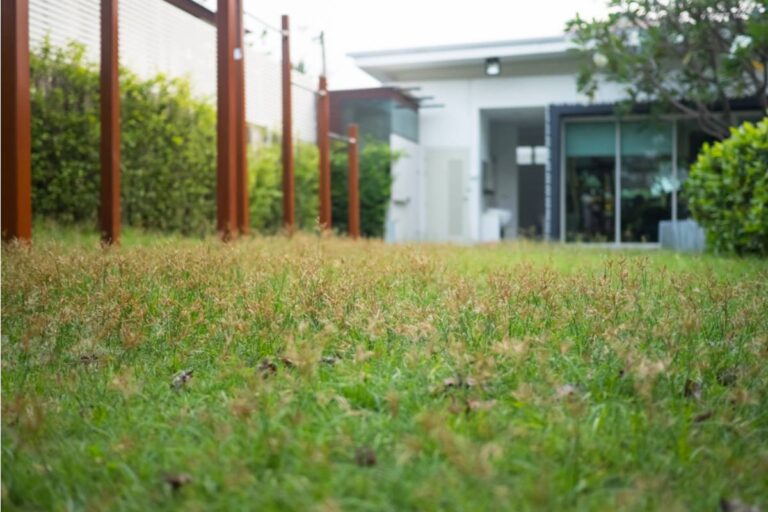
The grass patch was divided between the two properties, with each household owning a portion. Decorative rocks had been placed across the area, giving the little strip a finished look despite the yards being quite small. Nobody seemed to spend much time walking across it, which made the landscaping feel more decorative than practical.
Then one afternoon, the homeowner noticed the neighbor’s husband removing rocks from his side. At first, that did not necessarily seem like a problem because he was working on the portion belonging to his household. The trouble started later when the homeowner realized the project had crossed over into their side too.
Then Their Rocks Started Disappearing
By around seven in the evening, the homeowner noticed that the decorative rocks from their side had also been removed. There had been no text message, phone call, or quick conversation explaining what was happening. Given the earlier incidents with plants and garbage bins, the missing rocks immediately felt less like routine yard maintenance and more like another boundary being quietly ignored.
The homeowner told his mother what he had seen and became increasingly concerned. The issue was not necessarily the landscaping itself, because he might have been willing to accept the project if the neighbors had simply asked first. The real frustration came from discovering the work after it had already started on property that did not belong entirely to them.
The Neighbor Suddenly Had a Bigger Landscaping Plan
The homeowner encouraged his mother to go outside and speak with the neighbor. When she did, the neighbor explained that he planned to remove the grass so it would stop growing through the rocks, place material underneath the area, and then finish the project. That made the situation sound more like a landscaping improvement than a random act of destruction.
There was just one important question left. The homeowner wanted to know whether the decorative rocks removed from his family’s portion would actually be returned. His mother told him to stop pressing the issue and said that the rocks would be put back, which temporarily appeared to settle the matter.
But Why Was Any of This Happening?
The homeowner could not understand why the project had suddenly become so important. The grass patch was not heavily used, and only a few blades were supposedly poking through the decorative rocks. From his perspective, it seemed like an enormous amount of effort for a problem that barely existed.
That made the timing even stranger. The neighbors had lived there for about seven years without doing anything similar, and suddenly they were pulling up rocks and preparing the ground. The homeowner began wondering whether boredom, landscaping preferences, or something else was driving the sudden burst of activity.
The Real Concern Was Not the Grass
As irritating as the disappearing rocks were, the homeowner kept returning to a larger concern. The family had already dealt with unwanted bin use and plants being removed, while the neighbors had also been allowed to grow herbs in the backyard. Each individual incident might have seemed small, but together they created a pattern that made every new project feel more serious.
That was why the homeowner did not want to simply shrug and move on. A few decorative rocks were easy to replace, but repeated uninvited activity could make it increasingly unclear where one household’s responsibility ended and the other’s began. Suddenly, the humble garden strip was carrying much more weight than its size suggested.
Then the Neighboring Family Started Acting Awkward
The next day, the homeowner noticed more odd behavior while the landscaping work continued. One of the men seemed to move away when the homeowner was nearby, only returning to his previous position after the homeowner left. The homeowner also believed he overheard one of them talking about him.
Then there was the tool. One of the neighbors left equipment on the family’s lower driveway for hours, which only added another strange detail to an already uncomfortable situation. None of these actions necessarily explained the landscaping project, but together they made the homeowner feel increasingly watched and unwelcome.
The Backyard Herb Garden Complicated Everything
The rock dispute was also tangled up with another boundary issue involving the backyard. The neighbors had been growing herbs there because the homeowner’s mother had previously given them permission. Now, however, she no longer wanted them using that part of the yard.
That created a second question for the family. Even if the current landscaping project ended peacefully, what would happen if the neighbors continued using the backyard or working near other parts of the property? The homeowner began thinking that the family needed clearer boundaries instead of another informal understanding.
A Property Survey Suddenly Sounded Necessary
A response from a person suggested getting the property lines professionally surveyed and clearly marking the boundary. The advice was simple but potentially useful because the entire dispute revolved around exactly where one side ended and the other began. Another response from a person suggested that a fence could turn an ambiguous-looking space into an unmistakable boundary.
The homeowner agreed that having the exact line documented could remove much of the uncertainty. He began looking for an existing survey but had trouble finding anything useful. That meant the family might eventually have to pay for a new professional survey, even though all of this started with a few decorative rocks.
A Fence Could Change the Whole Garden
Several responses from people suggested installing a fence or at least temporary stakes along the boundary. A decorative fence would not have to turn the front yard into a fortress, but it could make it much harder for anyone to confuse one garden area with another. For a property dispute, something as simple as a physical line can become surprisingly valuable.
The idea also had an appeal from a gardening perspective. Instead of constantly arguing about rocks, grass, herbs, and plants, the family could create a clear division and then maintain their own side however they wanted. The garden would finally have a boundary that did not depend on everyone remembering the same understanding.
The Mother Wanted to Keep the Peace
The biggest obstacle was not actually the neighbors. It was the family’s different approaches to conflict. The homeowner’s mother preferred to avoid arguments and was much more willing to stay friendly, while the homeowner wanted the repeated incidents addressed directly.
That left him feeling stuck. He believed the neighbors had learned that his mother was unlikely to push back, while he was much more vocal about property issues. Unfortunately, because his mother remained the primary owner for the time being, he could not simply take over every confrontation himself.
The Family Considered a New Rule for the Backyard
The homeowner also began planning what would happen once his ownership of the property changed. One of the clearest decisions was that the backyard herb garden would no longer be available to the neighbors. The family could then close the gates and make it obvious that the area was private.
That decision represented a shift from informal neighborly favors to clearly defined boundaries. Instead of allowing access and hoping everyone respected it, the family would establish exactly what was permitted and what was not. The decorative rocks had exposed a much bigger lesson about how easily casual arrangements can become confusing.
Some People Blamed the Grass, But That Wasn’t the Point
Not every response from a person thought the landscaping itself was unreasonable. One person pointed out that grass growing through decorative rocks can look untidy and make maintenance more difficult, especially when the patch cannot easily be mowed.
But the homeowner kept emphasizing a different issue. The complaint was not really about whether the grass looked perfect, but about the fact that the neighbors had begun working on his family’s portion without asking. In a garden, even a tiny project can become a major problem when someone else decides it is their space to redesign.
Then Came the Warning About Letting Things Continue
One response from a person raised an even bigger concern about allowing neighbors to use part of a property indefinitely without clear boundaries or documentation. The basic worry was that long-term, informal use can create complicated disputes later, particularly when everyone has a different understanding of who controls the space.
That possibility gave the little garden strip a new significance. What once looked like a harmless arrangement involving herbs and decorative stones could eventually become a much harder problem to untangle. Suddenly, getting a survey and marking the boundary no longer seemed like overreacting.
The Gardening Project Was About to Reveal the Real Problem
By the end of the story, the decorative rocks themselves were almost beside the point. The rocks could be put back, the grass could be controlled, and the landscaping project could be finished. What remained was the uncomfortable realization that the neighbors and the family had very different ideas about where cooperation ended and permission began.
The twist was that the smallest part of the garden had exposed the biggest problem. A few blades of grass sticking through some stones had triggered a chain of arguments about plants, bins, herbs, property lines, and access. For this homeowner, the next gardening project may not involve planting anything at all, but finally drawing a line that everyone can see.