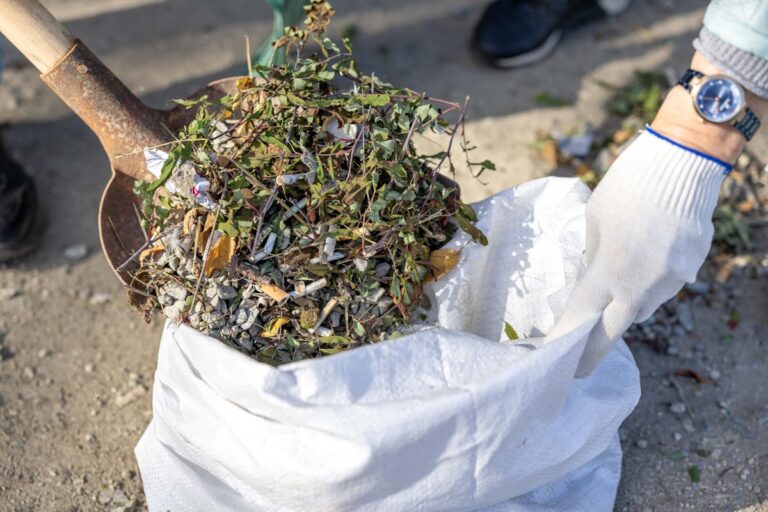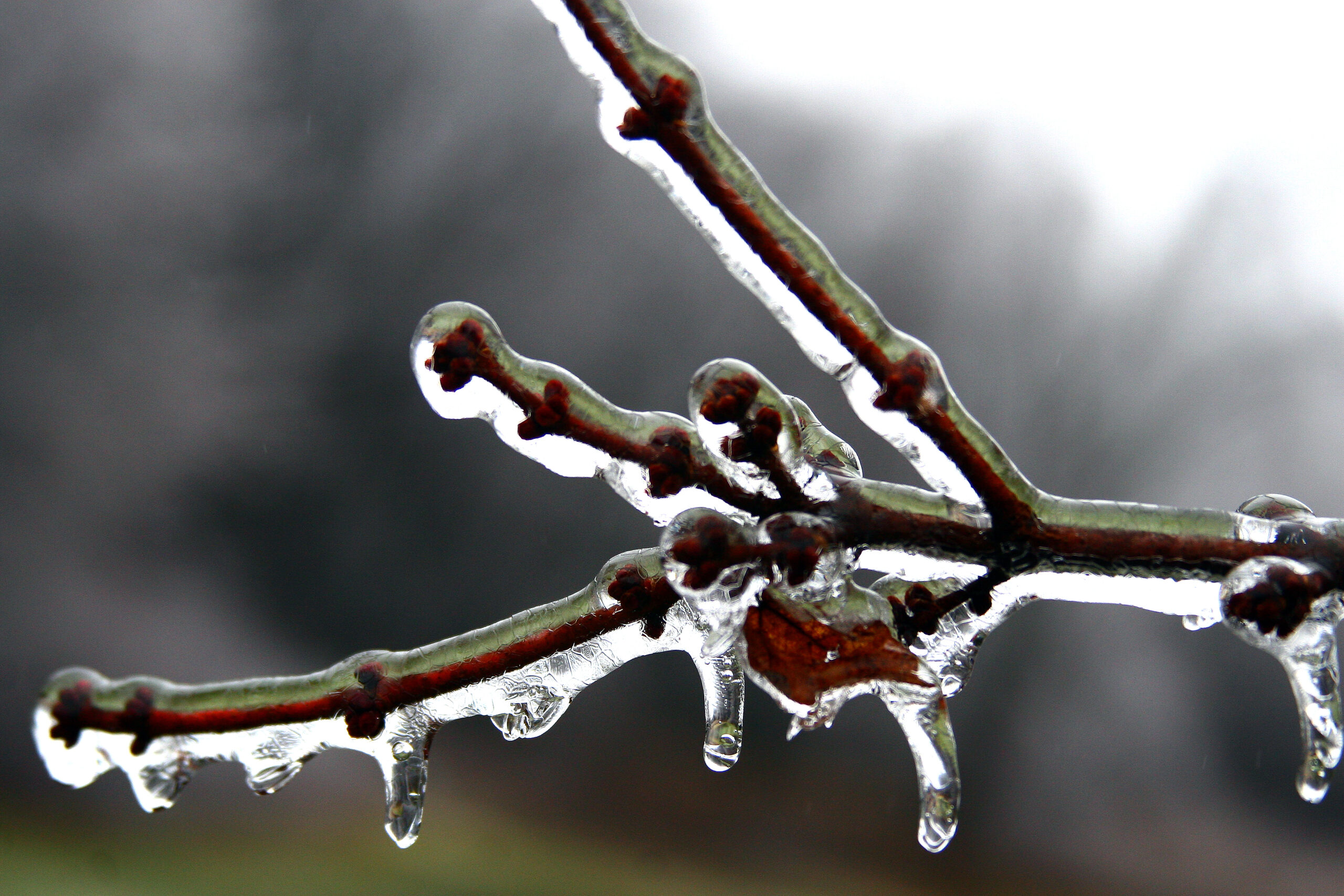
Beating Ice Off Frozen Branches Does More Harm Than the Ice, Iowa State Says, So Shrubs Should Be Left to Thaw on Their Own
The first ice storm of the season tempts every homeowner with a broom. Iowa State University Extension says to put it down. Beating ice off branches with a broom or rake causes more damage than the ice itself, horticulturist Aaron Steil writes, and the better course is to let it melt naturally.
Ice-coated shrubs look like they are about to snap. Most of the time, the snapping happens when someone tries to help.
Why Iced Branches Break So Easily
Cold makes wood brittle, and ice adds weight on top of that. Nancy Rose, a horticulturist with University of Minnesota Extension, put it plainly in guidance published by Lawn & Landscape: “Ice cannot be removed from branches without injuring the plant.” Her advice is to let ice melt or fall off on its own and never strike frozen branches to clear ice or snow.
Narrow evergreens are especially vulnerable. Curtis Utley, a Colorado State University Extension agent in Jefferson County, writes on the CSU CO-Horts blog that “narrow tree forms succumb to snow load breakage because the side branches are poorly attached.” Shearing makes it worse, he explains, because competing side shoots grow into weakly joined leaders that fail under weight.
What Not to Do
Iowa State’s guide to preventing ice and snow damage lists the common mistakes. Don’t beat branches with a broom or rake. Don’t push ice-covered branches back upright, which can crack them; support them instead to keep them from bending further. Don’t pour hot or boiling water on them, since that can injure plants, and cold water just adds more weight.
The rule is the same for every shrub and small tree in the yard, from foundation yews to a young maple bowed over the driveway. Ice comes off when the weather takes it off.
Snow Is a Different Story
Snow is lighter and looser than ice, and it can be cleared. Iowa State says to gently shake snow from branches or brush it off with a broom, sweeping upward rather than down, which can break bent, stressed limbs.
The difference is the bond. Snow sits on top of a branch. Ice coats it. That is why the same broom that helps in a snowstorm causes damage in an ice storm.
Fixing What Bent or Broke
Bent branches often recover. An Ask Extension expert, answering a homeowner whose arborvitae were bent by snow and ice, said simply bent branches can be trained back with soft ties anchored to the ground, and the plants will keep producing new wood and may return to form. Broken branches need proper pruning. For damage high in tall trees, the expert recommended a certified arborist rather than a ladder.
Vijai Pandian, a horticulture educator with University of Wisconsin-Extension in Brown County, explains in a piece for PBS Wisconsin how to pull splayed evergreens back together with flat straps, using several ties on taller plants. Branches snapped at the base should be pruned below the damage with a clean, sharp cut, and if more than half of a tree has broken at its base, he recommends removing the whole tree.
Ties shouldn’t become permanent. Pandian says straps shouldn’t stay on “more than two seasons” because they can girdle bark, and the Ask Extension answer gives the same two-season limit.
Getting Ahead of the Next Storm
Prevention is easier than repair. Iowa State recommends tying vulnerable plants such as arborvitae before snow or ice storms, using sturdy fabric strips, nylon hose or bungee cords that won’t cut into bark, so the plant forms a cone that sheds weight. Rose suggests wrapping columnar arborvitae and junipers with twine in late fall. Utley lists broad bands or straps, a wrap of light cord, loose staking for young trees and agricultural fleece. Iowa State says the ties can come off once the risk of heavy snow passes, typically mid to late April in Iowa.
For evergreens already exposed to winter wind, the site has also covered how a burlap windbreak can protect boxwoods. When the ice does arrive, the guidance from every extension service quoted here comes down to patience: leave it alone, let the sun and warmer air take it off, and deal with any damage once the branches can bend again.
Get stories like this by email. Sign up for The Parent Diaries Letter.
This article was produced with AI assistance and edited for accuracy against the sources linked above.
Image: liz west – CC BY 2.0/Wikimedia Commons