Fallen Leaves Should Stay Where They Land This November Because Fireflies and Bees Overwinter in Them, Clemson’s Christiana Huss Says
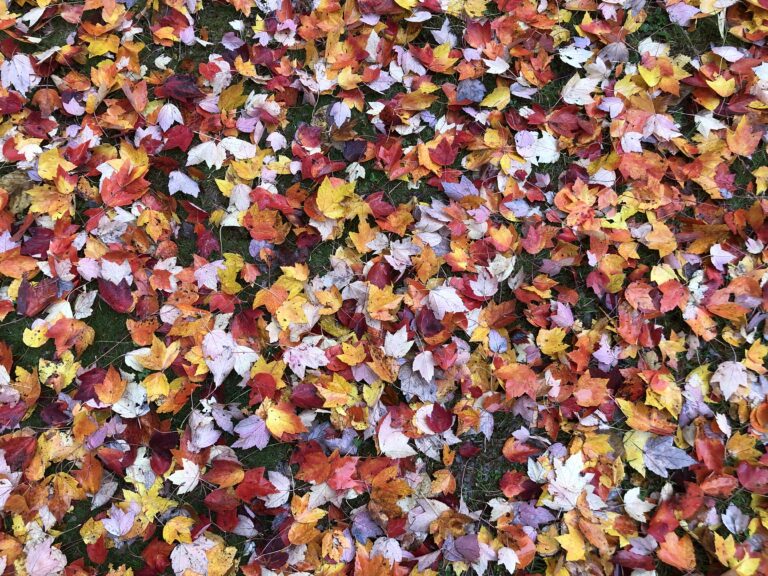
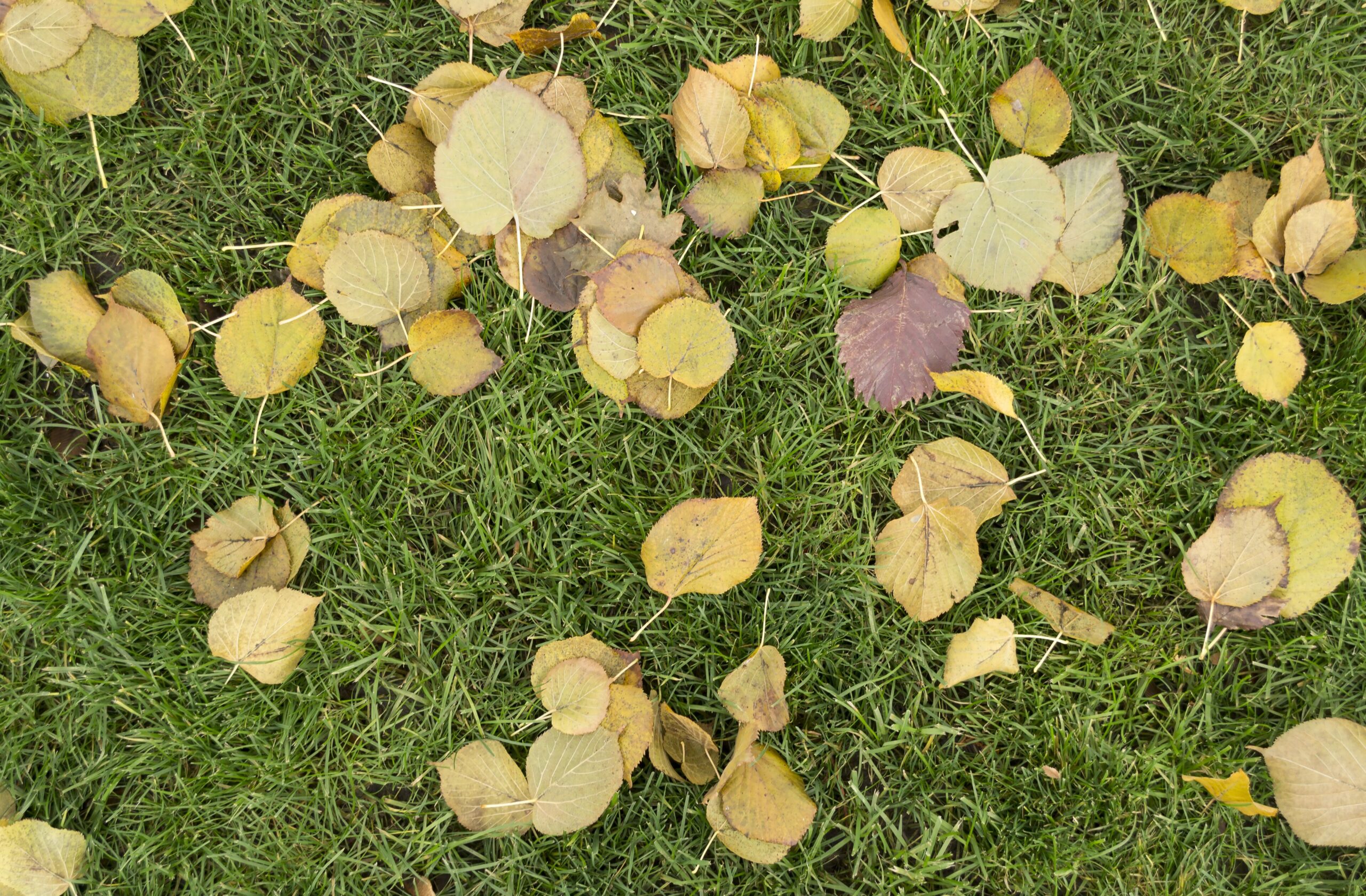
“They are the homes for caterpillar pupae, beetles, fireflies, bees.” That is how Christiana Huss, who writes the coastal region section of Clemson’s November 2026 gardening calendar, describes fallen leaves, and it is the reason her advice runs against the usual fall cleanup: do not chop-mulch or remove them.
Instead, Huss says, the leaves can stay where they land or be tucked under shrubs and trees as mulch. Her note also tells gardeners to hold off on pruning live branches and on fertilizer until the plants are dormant or spring arrives.
What the Clemson Coastal Note Says
Huss’s section of the Clemson Home and Garden Information Center’s November page, dated Nov. 6, 2026, is brief. Leaves are to be left in place or used as mulch under shrubs or trees, because the insects that overwinter in them need the cover.
The same note says not to fertilize or prune live branches this time of year. Shrubs and trees can be pruned in January or February, when plants are fully dormant, and fertilizer waits until spring.
Clemson’s factsheet on fertilizing trees and shrubs adds some nuance on the fertilizer point. It says fall applications are not harmful for most conifers and hardwoods, despite older concerns, but that indeterminate species such as azaleas, hollies, hydrangeas and red and sugar maples may respond with new growth late in the season, so only part of the annual amount should go on then.
Huss also lists jobs that suit November in the coastal region. Garlic, onion sets and garden peas can still go in, and so can lettuce, mustards and other cold-tolerant greens, covered if an early hard frost is expected. New garden beds can be built now, with free organic matter filling the bottoms. Most plants other than seedlings, new transplants and potted plants likely will not need regular irrigation. Butterflies stay active until a hard frost, the note adds, which makes this a good time to enjoy a butterfly garden.
Leaves as Winter Housing
An older Clemson article, “Fall Leaves: To Leave or Not to Leave” by horticulture agent LayLa Burgess, makes the same case. Leaving leaves in place is the easiest use of them, the article says. In beds they break down on their own and release nutrients into the soil in spring, and leaves are not litter but habitat for beneficial insects.
Burgess does not name particular species, saying only that leaves give valuable insects, pollinators especially, a protective home. Leaves combined with standing dead plant material make what she calls terrific overwintering sites.
The Xerces Society goes into more detail in a Leave the Leaves guide, which lists its authors as Justin Wheeler, Scott Hoffman Black and Deborah Seiler. Many butterflies and moths overwinter in leaf litter as eggs, caterpillars, chrysalises or adults, the guide says, and luna moths and swallowtails disguise their cocoons and chrysalises as dried leaves.
The guide adds that about 70 percent of bee species nest in the ground, and that removing leaves can destroy animals already sheltering there. Fireflies are not named in the Xerces text, so the Clemson coastal note is the source for them.
Where Leaves Go and Where They Do Not
Clemson’s advice carries one exception. Leaves can blanket turf and smother grass, Burgess writes, so in the lawn she suggests chopping them coarsely with a mower rather than leaving them whole. The Xerces guide takes a stricter line and says to avoid mowing leaves at all, because shredding them gives less cover and can destroy eggs, caterpillars and cocoons. A rake or blower keeps them intact.
That leaves the beds and tree bases as the natural places for them. Xerces suggests raking leaves into garden beds or around the bases of trees, and says a thin layer helps grass, while leaves can suppress weeds, hold moisture and add nutrients.
Clemson’s mulch factsheet gives depth limits. Shredded leaves should never be deeper than 2 inches, because they mat together, and finely shredded leaves do not let water through. Whole leaves tend to blow away. Mulch of any kind stays 2 to 3 inches from the stems of woody plants to prevent decay and rodent damage.
Burgess notes that whole or chopped leaves can also protect fall-planted root crops and perennials, insulating the soil and moderating soil temperatures in severe winters. In spring, leaves around established shrubs smother emerging weeds and keep soil moist, and they carry no weed seeds.
The Midlands section of the same Clemson page, by Jennifer Weaver, treats lawns separately. For warm-season lawns it suggests raising the mowing height by about half an inch to help with winter protection and winter weed suppression, and watering lawns and landscape plants during dry spells to keep turfgrass roots and crowns alive.
If a Pile Is Still Too Much
Xerces suggests a leaf pile that breaks down on its own, or adding leaves gradually to a compost pile, and keeping brush piles of fallen branches and logs where insects can hibernate. Perennial stems can be left standing, since seed heads feed birds and the stems shelter nesting insects. Anyone who does remove leaves or stems should wait until late spring, the guide says.
For leaves that do have to come off a path or patio, Clemson’s composting tips explain how to use them. Fallen leaves supply the carbon-rich brown material, grass clippings the nitrogen-rich green. If grass is the nitrogen source, about two parts leaves to one part grass works. Shredded leaves break down faster than whole ones, and the compost takes about six months, through the winter, to turn fine and soil-like.
The same page says to keep out nutshells, tree roots, magnolia and oak leaves, and sweetgum balls, which decay slowly, along with diseased plants and weeds that have gone to flower.
This article was produced with AI assistance and edited for accuracy against the sources linked above.
Image: Lystopad – CC BY-SA 4.0/Wikimedia Commons