Pocket Gophers Tunneled Toward Michael Hall’s Marfa Cactus Garden, and a State Biologist Bet Him a Nickel and a Quarter That More Would Come
The cactus garden at Michael Hall’s small house in Marfa has taken his family years to build, with cholla, ocotillo and agave out front. Starting last fall, pocket gophers spent months tunneling toward it, and by spring a fresh mound sat four feet from the beds.
Hall, who tells the story in Texas Monthly, eventually caught that gopher in a live trap and let it go across town. Texas Parks and Wildlife biologist Sam Kieschnick bet him “a nickel and a quarter” that more gophers would come. Hall says they did, and they keep coming.
Mounds marching toward the cholla
Hall and his wife live in Austin and split time with the Marfa house. The trouble began with loose dirt around a dying tree in the backyard. Some of the mounds were two feet wide and almost kidney-shaped. Hall raked them flat, left for a month, and came back to six or seven more piles running north toward the house along the brick wall the family shares with a neighbor.
When he dug into the mounds, he found tunnels. Water from a garden hose poured into one simply drained away. A friend, landscaper Fran Christina, looked at photos and wrote back that these were pocket gophers.
By early February, the line of mounds had moved through the side yard toward the front, where the family’s cactus and succulent garden grows. Hall describes yellow fruit pushing through the needles of the cholla and bright red flowers at the tips of the ocotillo’s long arms. That was the part of the property he could not afford to lose.
His worry is a familiar one in Texas. Texas A&M AgriLife Extension warns that pocket gophers “can seriously damage cultivated farming areas, rangelands, orchards, tree farms and lawns.” Iowa State University Extension says they eat roots and bulbs they run into while digging, and can clip seedling trees and shrubs or girdle the bark of saplings.
Strychnine at the hardware store
At Livingston’s, the hardware store in town, a clerk steered Hall toward poison. The product was Martin’s Gopher Bait 50, which contains strychnine, and its label read “For subsoil application only.” Hall mentioned that the family has dogs. The clerk said the bait “kills skunks, raccoons,” and warned that an owl eating a poisoned animal could die too.
The clerk also described a steel device with sharp tines that goes inside the tunnels, and recalled a grandmother who simply sat on her back porch with a shotgun. Hall found all of it too extreme for a backyard in town.
A biologist who admires the digger
So Hall called Kieschnick, an urban wildlife biologist with Texas Parks and Wildlife based in Fort Worth, who began studying the genetics of pocket gophers at Tarleton State University in Stephenville. The agency’s Texas Parks & Wildlife magazine has profiled him as one of the most active users of the iNaturalist app, with more than 105,000 observations logged.
Kieschnick talked about the animals with obvious affection. “They don’t really dig,” he told Hall. “They scratch.” He explained that gophers aerate soil and recycle old plant material, and that they seal their exits, especially when they sense a predator such as a cat or a coyote. Or, he added, a homeowner.
The U.S. Fish and Wildlife Service makes a similar case. It says scientists call pocket gophers “ecosystem engineers,” that Texas has around 11 of the roughly 41 species depending on who is counting, and that a single gopher can move around 18 pounds of soil every year. Soil from gopher mounds, the agency says, holds more nutrients than the undisturbed ground around it.
Six jammed traps and a pale set of claws
In March, Hall set a live trap at a tunnel entrance and baited it with roots. Each morning the trap was heavy and packed with dirt. The gopher also refilled the holes Hall dug. After he watched it poke its head out, Hall worked out that it had filled the trap six times without ever setting it off.
When he returned the next month, the backyard had only one new mound and no open tunnels. The new action was out front: a mound by the driveway, with eight dirt piles leading in from the neighbor’s yard, and that mound sat four feet from the cactus garden.
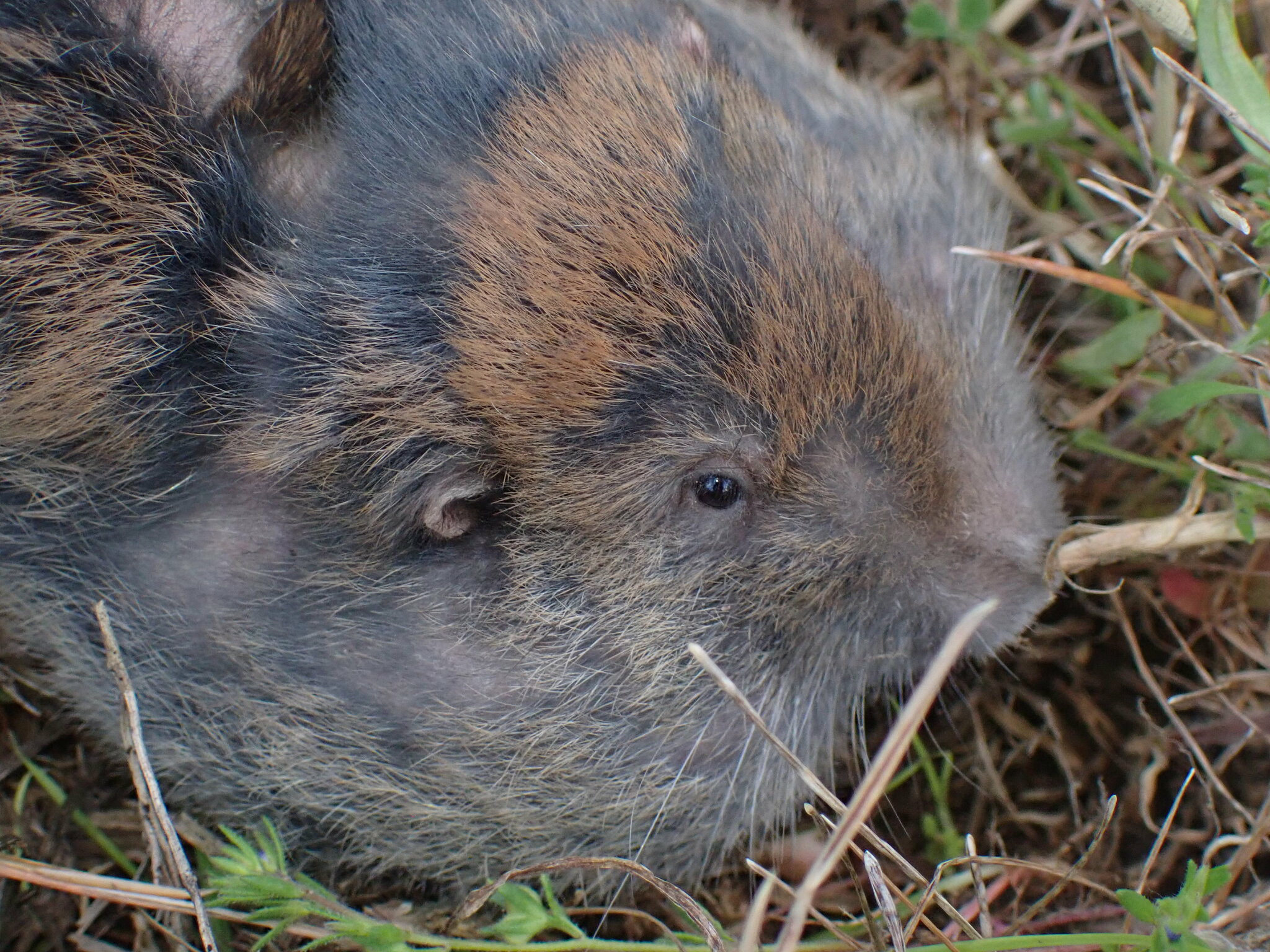
Hall dug down, found the tunnels and set the trap again. The next morning the door was closed, and long, pale claws stuck out from underneath. The gopher was small, about five inches long. Hall drove it to the Marfa Lights viewing area, set the trap in a patch of dirt and mounds near the back fence, and opened the door. After a minute the animal felt its way into a tuft of grass and started digging.
The bet, and a truce with conditions
Back home, Hall filled the holes and planned to take the fine soil the gopher had tilled and use it in the cactus garden, along with underground mesh to protect the roots. Kieschnick had called the animal Hall’s “neighbor,” and he did not expect it to be the last. “Gophers find a way of coming back,” he said and bet him a nickel and a quarter that more would turn up.
He won. More gophers showed up, Hall writes, and they still do. Along the way he tried a sonic spike, which he says looks like a large artillery shell, and used cat litter stuffed into the tunnels. Neither worked.
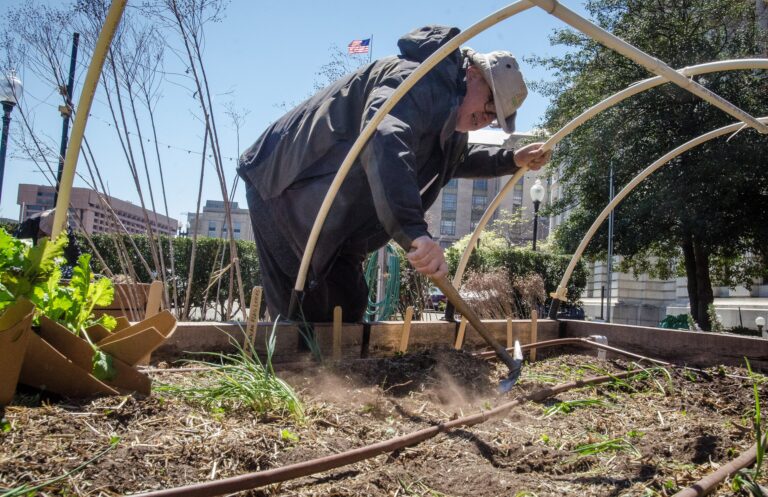
What the family has settled on is a truce of sorts. Hall leaves the gophers alone until one tunnels too close to the cholla or the agave. Then the shovel and the trap come out, and the animal moves on to another part of the yard.
That approach lines up with extension advice for small properties. Iowa State calls trapping “a proven means of removing problematic pocket gophers from smaller patches, such as lawns and ditch embankments,” and recommends doing it in spring and fall, when gophers are most actively tunneling and building mounds. It also says to check traps every few hours and to move a trap that has caught nothing after 48 hours.
For Hall, the cactus garden stays off limits. The rest of the yard, it seems, now belongs to everyone, above ground and below it.
This article was produced with AI assistance and edited for accuracy against the sources linked above.
Image: Braden J. Judson – CC0/Wikimedia Commons