A 63.5-Inch Live Oak on Wildwood’s South Main Street Will Come Down for a Likely Car Wash, With $13,208 Going to the City Tree Fund
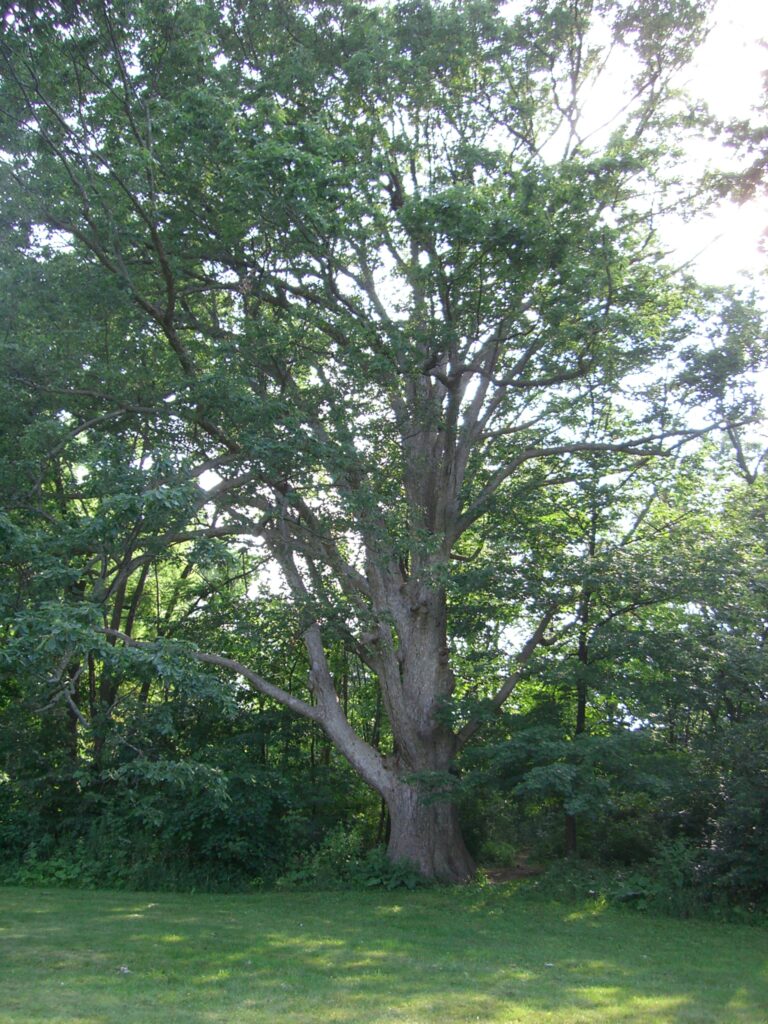
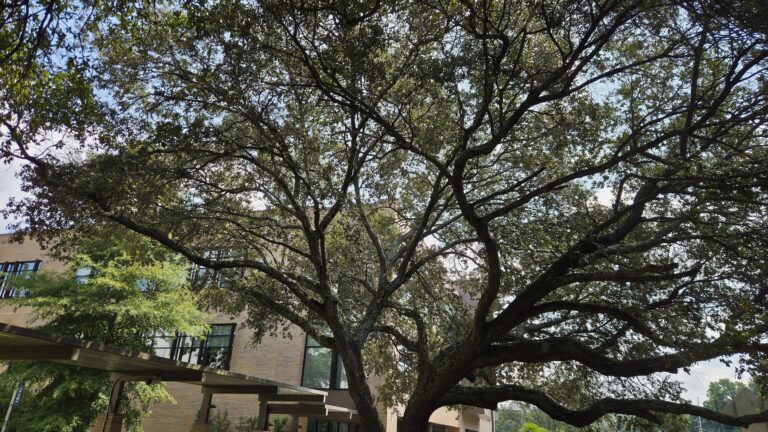
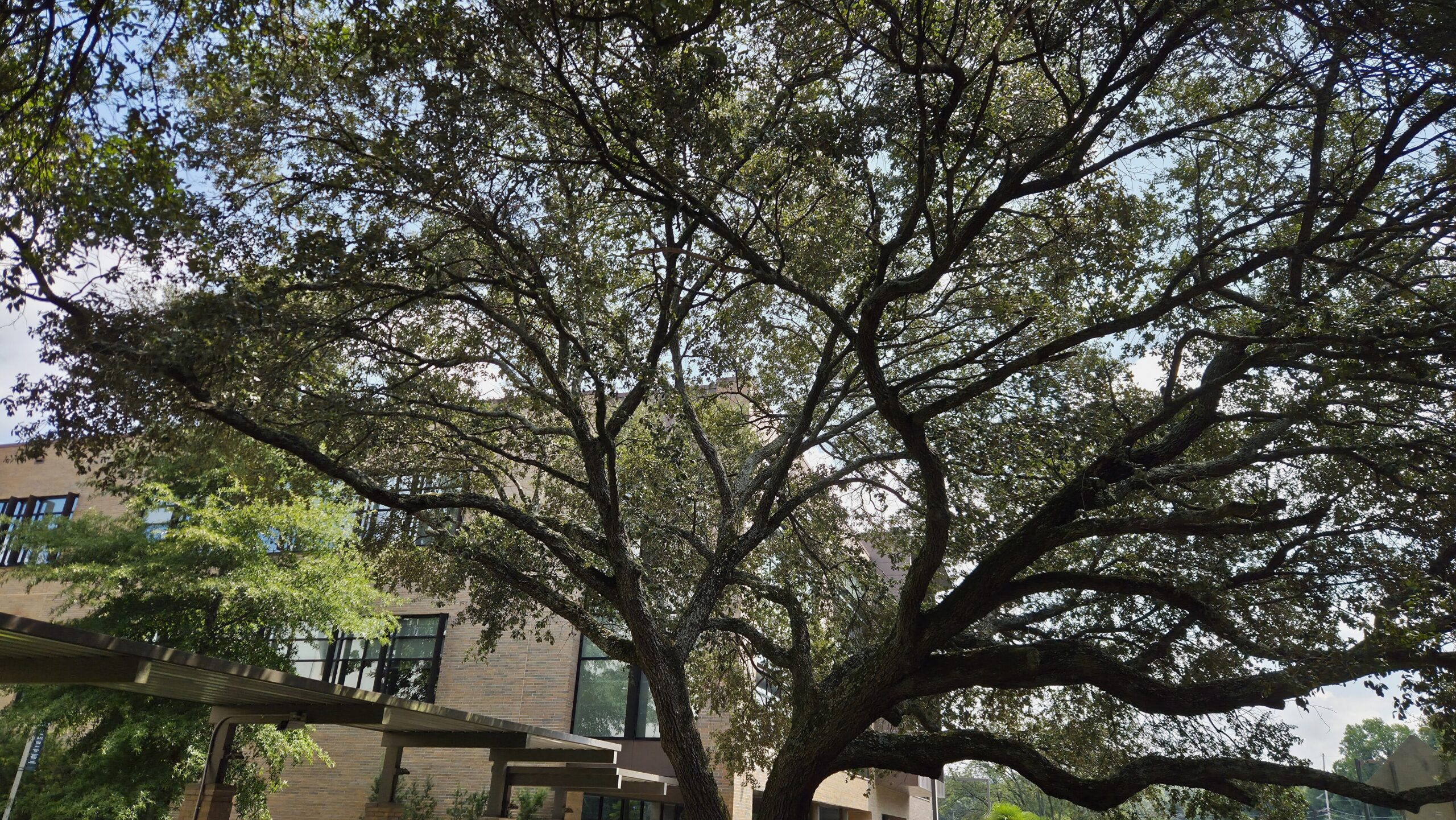
A live oak with a trunk 63.5 inches across is slated to come down at 1010 S. Main St. in Wildwood, Fla., where the property may become a car wash. Wildwood approved the removal at a Tuesday, Nov. 3, meeting, and the owner must plant four trees and pay $13,208 into the city tree fund, Villages-News reported.
The same meeting cleared two more heritage live oaks at a different property. The two cases show how Wildwood lets large oaks go, and what it charges when they do.
What Wildwood Approved on Nov. 3
Reporter Marv Balousek wrote that Wildwood’s Planning and Zoning Board approved removing three large heritage live oaks, and that Special Magistrate Lindsay C.T. Holt approved the variances that allow it. The trees stand on two separate properties, and both owners must plant replacement trees and donate to the city tree fund. The article does not give a vote count.
The big oak stands on the east side of South Main Street, south of State Road 44. LG Wildwood, LLC owns the 1.3-acre commercial property, which holds 41 trees, including elms, sweetgums and oaks. The owner told the city the oak conflicts with its site plans.
The owner’s stated reason is the site plan, not the health of the tree. The article does not say the oak is dead, diseased or hazardous, so the removal is being approved as a development decision.
The story says the site may become a car wash and that a site plan is expected soon. It does not say when the tree will be cut.
Why Live Oaks Get Special Treatment in Wildwood
Villages-News calls all three trees Heritage Live Oaks, and the removals were approved as variances. Those approvals involved the Planning and Zoning Board and a special magistrate, and each came with replanting and a payment to the city tree fund. In effect, taking down a tree of this size in Wildwood comes with conditions the owner has to meet.
The tree itself explains some of the protection. University of Florida horticulture experts at UF/IFAS Gardening Solutions describe the live oak as “inseparable from Florida’s identity.” They put mature trees at 60 to 80 feet tall with a spread of 60 to 120 feet, and say that in the right conditions they “can survive for centuries.”
That same size is what makes the species hard to fit into a commercial lot. The UF/IFAS page advises planting live oaks away from curbs, sidewalks and driveways because their wide root systems can eventually lift and crack pavement. Clemson University’s demonstration garden makes the same point, saying the species forms large root systems and large crowns with age and can lift sidewalks or streets when planted too close. A commercial site with paving, parking and drainage leaves little room for a tree with a spread of 60 feet or more.
Virginia Tech’s forestry department calls the live oak “a medium sized tree that can grow to massive proportions,” with the largest open-grown specimens spreading about 150 feet. UF/IFAS Extension Nassau County says a live oak’s trunk can grow to more than six feet in diameter, so a 63.5-inch trunk, roughly 5.3 feet, is near the top of what the species produces. The article does not give this oak’s age.
How the $13,208 and the Four Replacement Trees Add Up
The conditions on the South Main Street oak are two-part: plant four trees and pay $13,208 to the tree fund. The Villages-News article does not explain how either number was set.
The published figures do line up in one way. Divide $13,208 by the oak’s 63.5 inches and the result is $208 per inch of trunk diameter. The second property’s payment of $18,304, divided by its two oaks’ combined 88 inches, also comes to $208 per inch. That rate is arithmetic from the reported numbers, not a figure the article states, so it should be read as a pattern rather than a quoted fee.
The replacement counts do not scale the same way. Four trees are required for the single 63.5-inch oak and eight for the two smaller ones, so the planting requirement appears to follow its own rule.
Wildwood is not the only Florida city putting a price on big oaks. This site has also covered the live oak removal fee being considered in Pensacola.
The Second Site: Two More Heritage Oaks Near U.S. 301
The other approval covers Son Life Landscaping’s 3.9-acre property at the northeast corner of County Road 124 and U.S. 301. Two heritage live oaks, measuring 39 and 49 inches across, will be removed to make room for a retention pond and parking.
The article describes the second owner only by business name and says nothing more about what is planned beyond the pond and parking.
That owner must plant eight trees and pay $18,304 to the city tree fund. Seventeen other live oaks on the property are staying, according to the report.
The 17 oaks left standing will sit beside a retention pond and parking once the work is done. Given the root systems that Clemson and UF/IFAS describe, how close the paving comes to those trunks will matter, but the article does not describe any protection plan for the remaining oaks or say whether one was required.
Taken together, the two approvals remove three of Wildwood’s largest oaks and put $31,512 into the city tree fund. The Villages-News story does not say how the city plans to spend that money.
This article was produced with AI assistance and edited for accuracy against the sources linked above.
Image: Thomas Kirchel – CC0/Wikimedia Commons