Taking Out a 43-Inch Live Oak Could Cost a Pensacola Homeowner $6,000 Under Tree Rules the City Council First Votes On Nov. 12
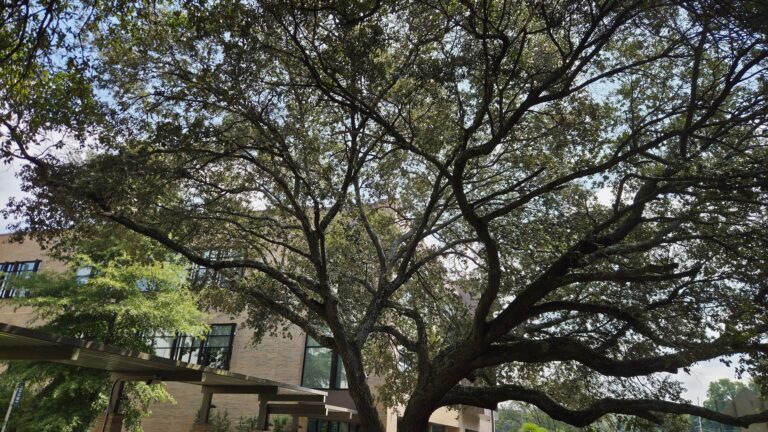
A homeowner in Pensacola, Florida, who wants a 43-inch live oak gone could soon face a bill of $6,000 before the stump is ground. That figure comes from an example the Pensacola News Journal laid out this week as the City Council prepares for its first vote on a rewrite of the city’s tree protection rules.
The vote is scheduled for the council’s regular meeting on Nov. 12, which starts at 5:30 p.m. The proposal is still only that. Nothing changes for residents unless the council approves it, and a first reading is not final adoption.
What the live oak category would charge
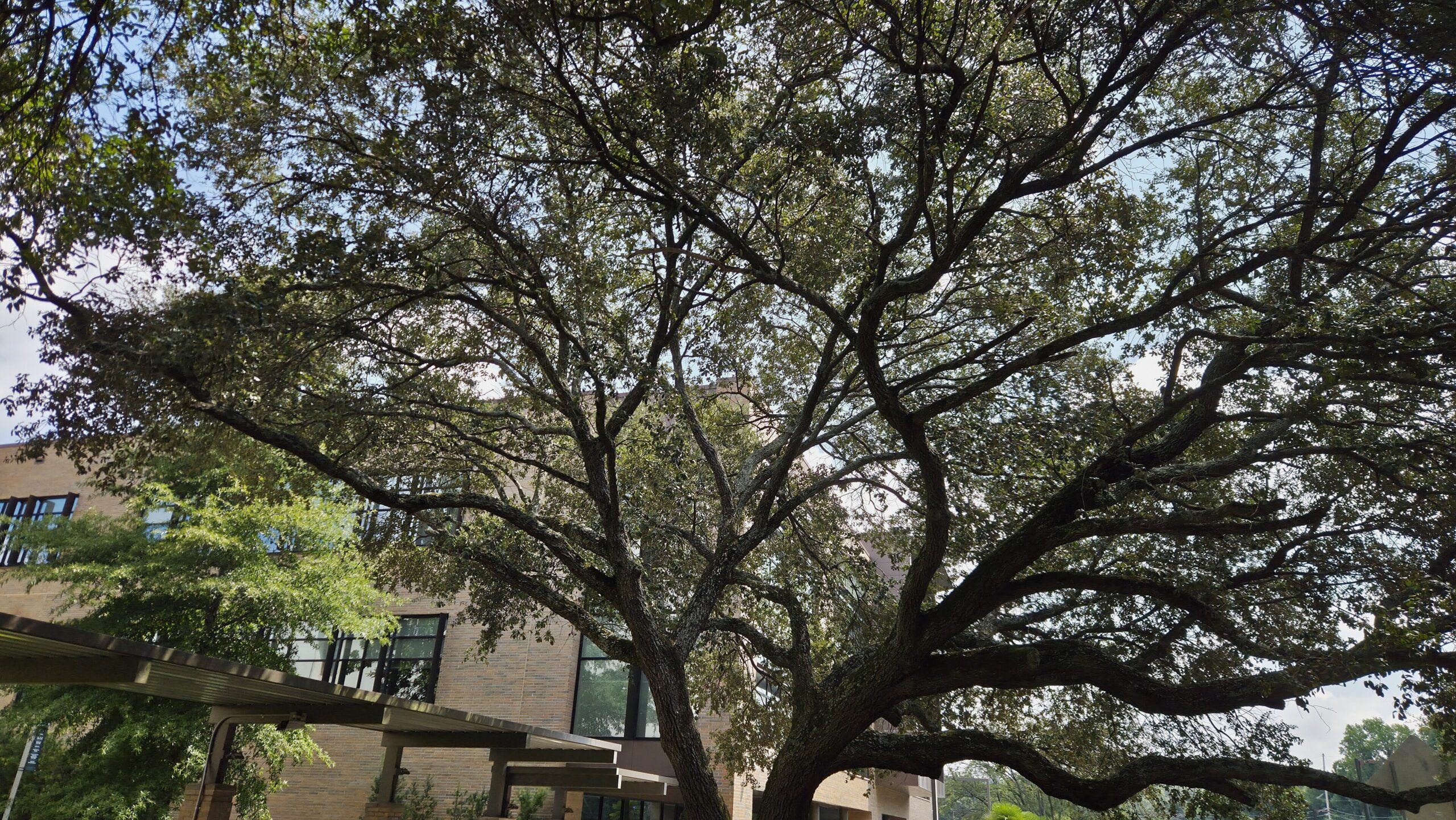
The biggest change is a new class just for live oaks measuring 40 inches or more in diameter. According to the News Journal’s reporting, the application fee to remove one of those trees would jump from $75 to $1,000. A separate mature canopy fee of $1,500 would apply, along with a mitigation fee of $500 for every inch of trunk diameter.
Private homeowners would not pay the full amount. The proposal keeps a cap for qualifying residences, but it raises that cap for live oaks from $1,500 to $5,000. Add the $1,000 application fee, and one 43-inch live oak on a qualifying home lot comes to $6,000, the paper calculated.
The same tree on any other kind of property would cost $24,000 to take down under the paper’s example. Residential development or redevelopment, meaning a project where the original house is torn down and a new one is built in its place, would get no cap at all.
WEAR-TV reported that the $1,000 application fee would be non-refundable and separate from replacement and mitigation costs. The station also reported that fees are generally waived when a qualified arborist finds a tree is diseased, damaged or a safety hazard.
Replanting moves to inch-for-inch
The rewrite also changes how replacement trees are counted. Under the current rules, a replacement tree earns only 3 inches of credit no matter how big it is, the News Journal reported. The new language would give inch-for-inch credit, so the total inches planted would have to equal or exceed the inches cut.
WEAR-TV reported that replacement trees would need to be between 3 and 6 inches in diameter, and that the old chart, which required 2 to 11 new trees depending on the size of the tree removed, would go away. A city model cited by the News Journal projects nearly 60% more canopy over 10 years than the current language would produce.
One limit stands out for builders. Mitigation credits could not be used to offset removing a live oak of 40 inches or more, according to the paper. Keeping one of those trees on a site could instead add to a developer’s credit.
City arborist Mose Franklin told WEAR-TV the update should give large trees more weight in decisions. He described the update as “a big step forward” and called the ordinance “a living document” that will keep changing as the city develops.
Why a homeowner’s own tree is covered
Most protected trees in Pensacola only need a permit when they are cut for construction or development. Larger protected species are treated differently. They are classed as heritage trees, which carry higher fees and mitigation, and the News Journal reported that this applies to private residents too.
There is an important exception set by the state. Under Section 163.045 of the Florida Statutes, a local government may not require a notice, application, permit, fee or mitigation to prune, trim or remove a tree on residential property when the owner has documentation that the tree poses an unacceptable risk. That documentation must come from an onsite assessment by an arborist certified by the International Society of Arboriculture or a Florida licensed landscape architect.
The statute defines residential property as a single-family, detached building on a lot actively used for single-family purposes. A healthy live oak in the front yard of that kind of home would still fall under the city’s rules. A tree an arborist documents as dangerous would not.
Who has been pushing the change
The rewrite has been in the works for more than a year, according to the News Journal, with Councilman Jared Moore and Mayor D.C. Reeves behind it and city staff reviewing several drafts. In a July city announcement, Moore said there is “a real cost to the community” each time the city loses one of its heritage trees.
That same announcement said the city’s Tree Trust Fund held more than $650,000, and that Pensacola planted or gave away 416 trees in 2025. The Arbor Day Foundation named it a 2025 Tree City USA, a designation that requires a codified public tree care ordinance and at least $2 per resident in yearly tree spending.
Readers who have followed earlier fights over yard trees on this site may recall East Lansing’s proposed $149,400 fine over 26 oak and hickory trees, another case where a city put a price on each inch of trunk.
What homeowners can watch for
Because the council is only holding a first reading on Nov. 12, the fees described here could still change before a final vote. The News Journal reported that removing a tree without following the ordinance can bring daily fines, stop-work orders and court injunctions under the existing rules.
Homeowners with a large live oak who are weighing removal can look up an ISA-certified arborist through the society’s Find an Arborist directory and ask for a formal risk assessment, which is the route state law already protects. Those planning a teardown and rebuild face the steepest change, since that work would carry no fee cap if the proposal passes as written.
This article was produced with AI assistance and edited for accuracy against the sources linked above.
Image: Thomas Kirchel – CC0/Wikimedia Commons