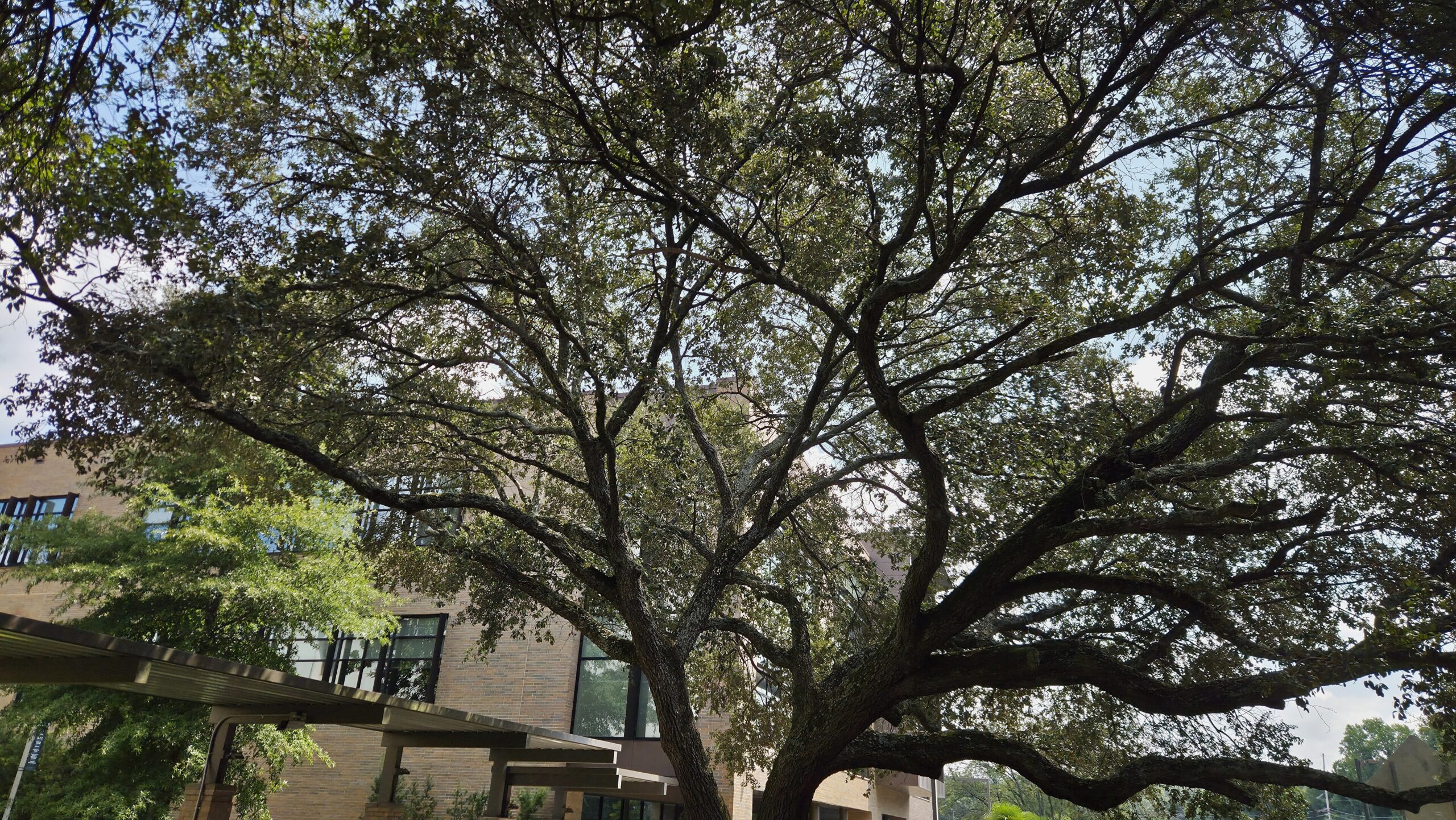
A Boca Raton Developer Told Neighbors the Old Oak Next Door Would Stay, Then Crews Found Something in Its Branches
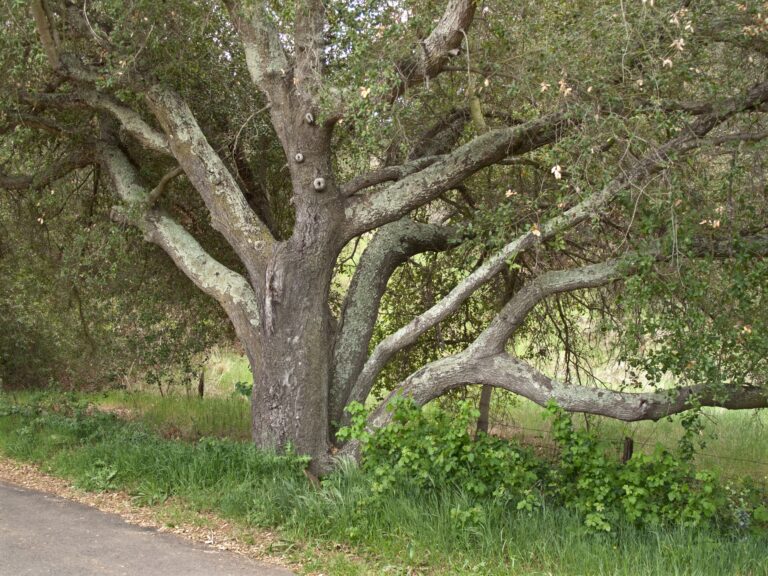
Jan Bassett remembers the oak next door as “a big, beautiful oak tree” that a friend planted 25 or 30 years ago in Boca Raton’s Spanish Village neighborhood. According to WFLX and WPTV, which carried the same Oct. 13, 2026 report, Bassett says the developer first told neighbors the tree would stay, then crews cut it down.
The company’s answer is that crews found termites and several structurally damaged major branches once work was under way. That explanation comes from Jared Niles, a real estate broker for Alpha Premium Development, as reported in the station’s coverage, and it has not been independently confirmed.
A Friend Planted It 25 or 30 Years Ago
Bassett lives next door to the construction site. She told WPTV that “in the beginning they said they weren’t gonna tear it down,” and that the crew came in the week before her interview and removed it.
The oak stood in a neighborhood that has a long history. Spanish Village began in 1925 as a set of Mediterranean Revival bungalows built for the Mizner Development Corporation, with clay tile construction and stucco finishes, according to the Boca Raton Historical Society’s newsletter. The society says 11 of the original structures remain, and most have been renovated or enlarged.
Neighbors say the large, modern homes going up now do not match that Spanish-style character. The same report said that some residents also feel stuck because developer offers are not enough to buy another home elsewhere.
Resident Karolina Michniewicz emailed WPTV to say the neighborhood is being hit hard by a developer and that neighbors are furious about losing mature trees and do not know how to stop it.
What the Developer Says Crews Found
Niles, who told WPTV he is not the builder and does not directly oversee construction, said preserving the tree was part of the original plan. In his words, “every effort was made to preserve the existing tree.” He said it was tagged and kept during demolition and that the home’s shell was built around it.
Later, he said, crews found termites and several major branches with structural damage. He said the company was advised the infestation could not be treated and posed a potential risk to nearby homes.
Niles added that the company plans to fully landscape the property after construction and tries to preserve existing landscaping where it can. Neither station’s report includes an arborist’s report, an inspection record or any other outside check of the termite or branch findings.
The coverage does not give the oak’s species, size or exact address, and the only timeline Bassett offered is that the tree was planted 25 to 30 years ago and cut down the week before she spoke with the station.
What Termites in a Living Oak Can Mean
University of Florida entomologist Thomas Chouvenc has described how invasive termites can work inside live trees. In a UF/IFAS Extension report, the associate professor at the Fort Lauderdale Research and Education Center said Formosan and Asian subterranean termites can consume live trees from the inside, often with minimal visible signs.
Such trees may look healthy even though their internal structure is weakened, Chouvenc said, and they are more likely to fall in storms, even in winds that would not normally topple a sound tree. He recommends regular checks for mud tubes and inspections by certified pest control providers.
That guidance explains why a hazard claim like the developer’s is plausible in general, but it does not show what happened to this particular oak. The report does not say whether the termites were an invasive species or how far the damage had spread.
On the rules side, the City of Boca Raton says in its vegetation FAQ that no permit is required for tree or landscape removal within the property lines of single-family homes and owner-occupied two-family homes. Neither news report says what permit status applied to this site, and neither includes a response from the city.
For homeowners elsewhere in Florida, the same UF/IFAS guidance applies on a smaller scale. Chouvenc said treating infested trees early can protect both the tree and the property near it, and the university publishes a termite distribution map so residents can see whether invasive species have been found in their area.
The dispute also shows how quickly a promise about a tree can change on a construction site. Niles says the oak was tagged, kept through demolition and built around. Bassett says she was told it would stay and then watched it come down. Both accounts can be true at once if conditions changed after construction began, but only an outside inspection could show whether they did.
For neighbors, the answer is a termite finding they cannot check themselves. For Bassett, the loss is simpler: a tree a friend planted decades ago and a promise that, as she remembers it, was not kept.
Get stories like this by email. Sign up for The Parent Diaries Letter.
This article was produced with AI assistance and edited for accuracy against the sources linked above.
Image: Thomas Kirchel / Wikimedia Commons (CC0)