A Neighbor Jumped Her Gate to Rake Up the Leaves She Leaves Down for Pollinators, and What She Did After Dark Had Him Cursing the Next Morning
One homeowner decided long ago that her fallen leaves would stay where they landed, as winter cover for the bees, moths and other insects that shelter in them. Her older neighbor hated that decision so much that one afternoon he jumped her gate, raked the leaves he could see from his window into a neat pile and dragged it around the corner of her house.
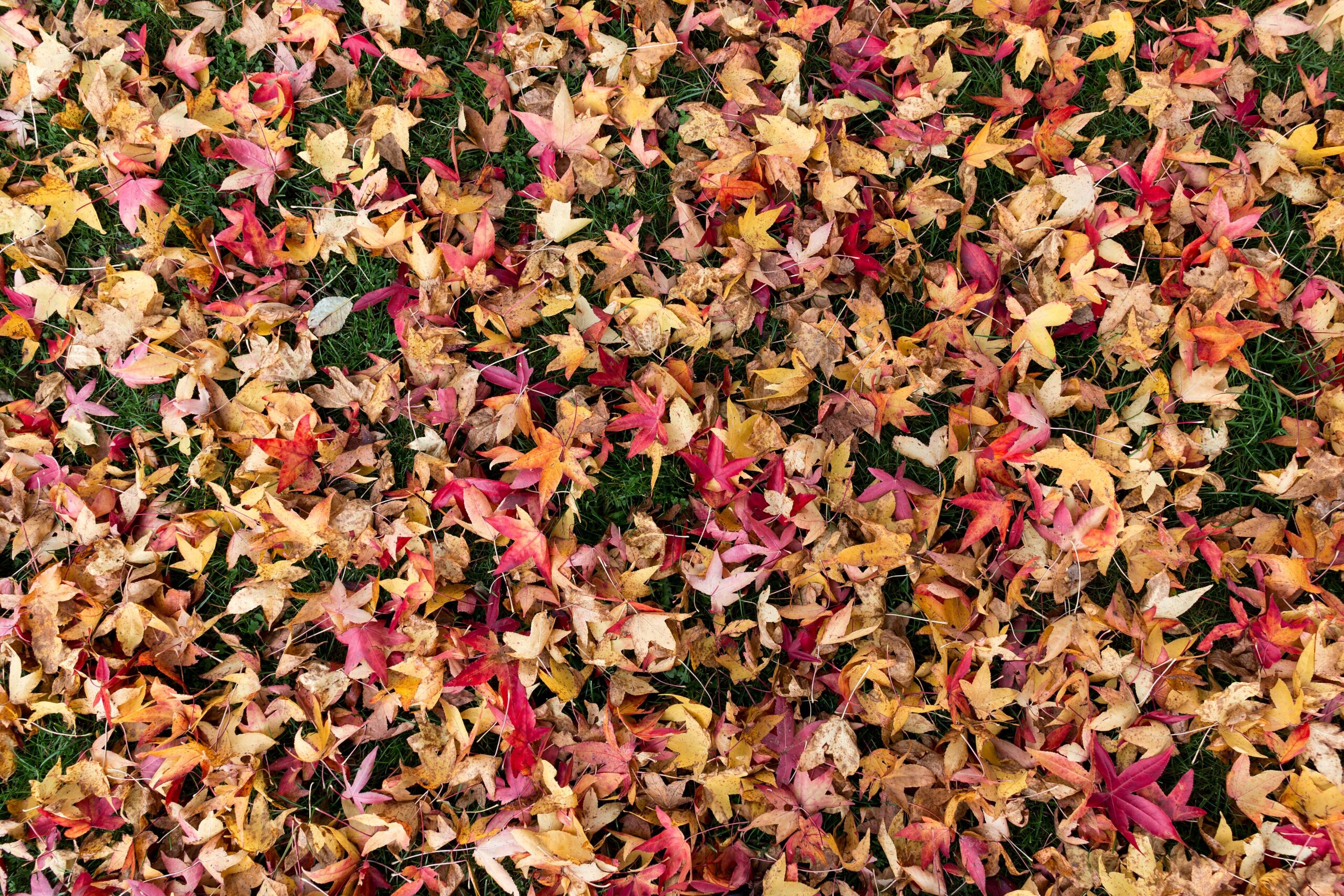
Her answer came after dark. As Upworthy’s Amplify site reported in August, she slipped outside once the light was gone and carried every leaf back to exactly where it had been. The next morning he stepped out for his morning smoke, stopped, stared at her yard and started cussing. She called the moment “glorious.”
A Yard Left Messy on Purpose
The homeowner, who shared the story online and was not named by Upworthy, said she skips raking for one simple reason, summed up in her own words: “yay pollinators.”
She described the man next door as “a typical curmudgeonly old man” who disliked her leaves and made sure other people knew it. Even the mail carrier, she said, had noticed how much the neighbor seemed to resent her.
What made his irritation hard to understand, in her telling, was that the leaves never touched his property. A chain-link fence separates the two yards, and she said the leaves could not drift onto his side. “The wind can’t even blow them into his space,” she wrote. “They have zero effect on his life.”
The Afternoon Someone Raked Her Yard
One afternoon, her yard looked different. The leaves in the part of her lawn that the neighbor could see from his window had been raked up and moved around the corner of the house, out of his line of sight.
She did not have to guess who did it. Another neighbor confirmed that the older man had jumped the gate and gone into her yard to do the raking himself.
Rather than knock on his door, she waited. Once it was dark, she quietly moved the pile back and spread the leaves out where they had fallen, so the view from his window looked exactly the way it had before he climbed over.
Why Gardeners Leave the Leaves
Her reason for leaving them is one that conservation groups have been pushing for years. The National Park Service says leaf litter works like an insulating blanket for insects over winter, sheltering ground-nesting bumble bees, sweat bees and mining bees, along with butterflies and moths that spend the cold months as eggs, caterpillars, chrysalises or cocoons tucked among the leaves.
The Xerces Society for Invertebrate Conservation notes that luna moths and swallowtail butterflies disguise their cocoons and chrysalises to look like dried leaves, and that about 70 percent of bee species nest in the ground, often in yards and garden beds. Its Leave the Leaves campaign describes woolly bear caterpillars sheltering in leaf piles and bumble bee queens hibernating in the soil beneath them.
Raking has a measurable cost. A study by University of Maryland entomologists Max Ferlauto and Karin Burghardt, published in Science of The Total Environment, found that removing autumn leaves from residential yards cut the number of insects and other arthropods emerging the next spring by 17 percent overall, with moths and butterflies down about 45 percent.
Moving Leaves Without Losing the Insects
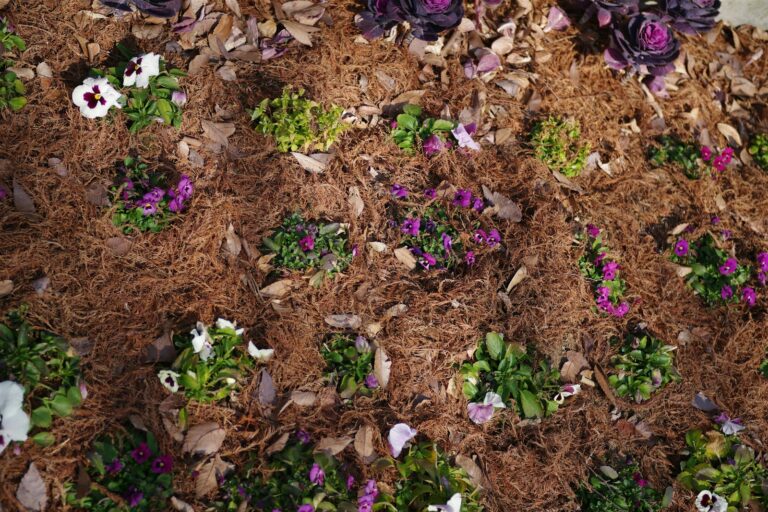
Xerces does not ask homeowners to bury their lawns. A thin layer is fine for grass, and the group suggests raking heavier drifts into garden beds or around the base of trees, where they hold moisture, suppress weeds and insulate perennials. It advises against running a mower over leaves, since shredding them destroys the cover insects need.
Readers responding to her post mostly cheered. One said hedgehogs in their own garden use fallen leaves for nests. Another joked that next time she should put the leaves back in broad daylight.
Lovely Garden Roots has reported on why a Clemson expert says fallen leaves should stay where they land in November, and on the fall cleanup steps many gardeners skip.
For this homeowner, the leaves are back where they fell, the insects still have their cover, and the man next door has seen how a raking job on someone else’s lawn turns out.
This article was produced with AI assistance and edited for accuracy against the sources linked above.
Image: Dietmar Rabich – CC BY-SA 4.0/Wikimedia Commons