Renters Drained About 400 Gallons From a Birthday Water Slide Into the Yard Below, Washing Out a Flower Bed, Then Wanted to Do It Again for Up to 50 Guests
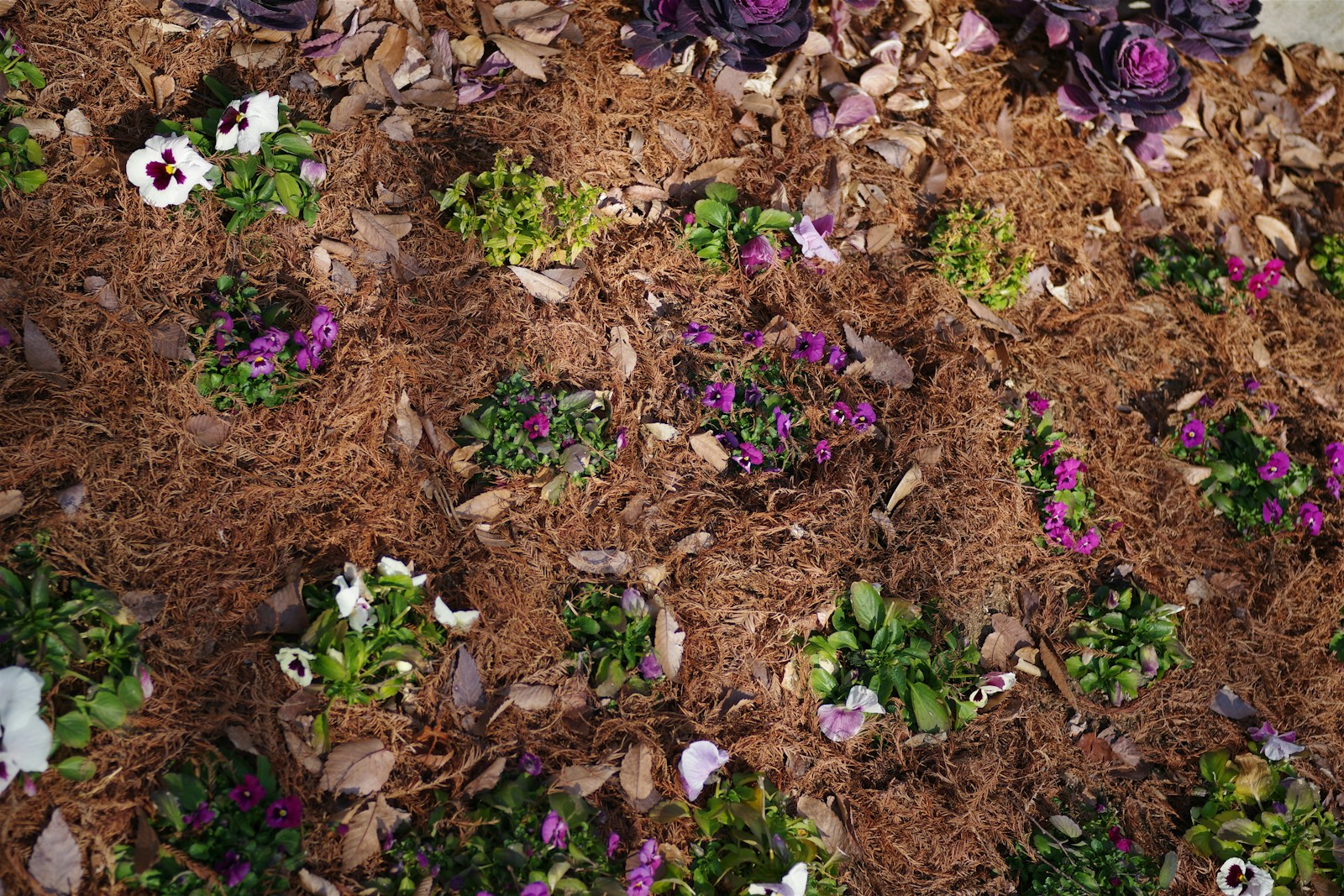
About 400 gallons of water, dirt and muck came rolling downhill when the renters next door drained their inflatable water slide after a child’s birthday party. It washed out part of a flower bed in the yard below, left mud on the floor and ran into the pool.
That was the first party. For the second one, according to Amplify Upworthy’s Aug. 14, 2026 write-up, the same renters came back with a bigger idea: a party of 35 to 40 people, possibly up to 50, including about 20 children, held in the neighbor’s own pool.
Four Hundred Gallons Headed Downhill
The neighbor, who shared the story online and whose account Upworthy reported, lives below the rental house. When the slide was emptied that evening, gravity did the rest. The runoff carried soil with it, cut through part of the flower bed and reached the pool.
The renters called it an accident and said they had not realized the water would flow downhill, Upworthy reported.
Water moving across a yard picks up whatever is loose on the way. The U.S. Environmental Protection Agency describes runoff as water moving over and through the ground that “picks up and carries away natural and human-made pollutants,” with sediment among the main ones. In built-up neighborhoods, the agency says on its urban runoff page, buildings, pavement and compacted landscapes greatly increase the volume and speed of that runoff because the water cannot soak in. A sudden 400-gallon release on a slope is a small-scale version of the same thing.
A Repair Bill and a Ban on Slides
The cleanup did not fall on the neighbor. According to Upworthy, the homeowner who owns the rental paid for the repairs and told the renters they could not set up another water slide.
That ban turned out to matter later. When the second birthday came around, the renters argued that the earlier accident was the reason their landlord had banned slides, and that the neighbor below therefore owed them something.
Up to 50 Guests, 20 Kids and a Gap in the Fence
The request was specific. The renters wanted to invite around 35 to 40 people, possibly up to 50, including about 20 children, and asked to use the neighbor’s pool for the party, Upworthy reported. They also wanted to remove part of the neighbor’s fence so guests could move between the two yards, with a promise to stay away from the flowers.
The neighbor said no. The renters pushed back, saying the neighbor was ruining their child’s birthday and their lives.
Taking down a section of fence around a pool for a crowd of children runs against basic federal safety guidance. The U.S. Consumer Product Safety Commission’s Pool Safely campaign says “a fence of at least four feet in height should surround the pool or spa on all sides,” with access limited to a gate that closes and latches on its own. It also urges adults to name a “Water Watcher,” one adult whose only job is to watch children in the water.
Motion Alerts Back On and a Lease Not Renewed
After the refusal, the neighbor turned motion alerts back on, told nearby neighbors that the renters were not allowed in the yard, and let the rental’s owner know what had happened, according to Upworthy.
The owner’s response was firm. Upworthy reported that the renters were told to stay away and warned they could be arrested for trespassing. The owner also decided not to renew the lease at the end of September and offered to let the renters leave early if they found another place. The neighbor later learned the renters were already looking.
Readers who weighed in on the post mostly backed the neighbor. One suggested calling the landlord again. Another pointed out that there are pools people can rent for parties, adding that this one was not among them.
Keeping Runoff Out of Garden Beds
For gardeners on the low side of a slope, the flower bed is often where trouble shows up first. University of Minnesota Extension says runoff erodes soil and washes debris away, and it recommends rain gardens as a way to slow that water and give it time to soak in.
A typical rain garden is 100 to 300 square feet and can handle runoff from a hard surface about three times its size, according to the extension. On sloped sites, it suggests piling the soil dug from the hole into a berm on the downhill side, and it says the garden should sit at least 10 feet from buildings to protect foundations and basements.
Drainage fights between neighbors are a regular on this site, from downspouts aimed at a garage to a drainage project that flooded a vegetable garden.
None of that would have stopped a slide’s worth of water dumped all at once. In this case, the fix was simpler: no more slides next door, and no party in the pool below.
This article was produced with AI assistance and edited for accuracy against the sources linked above.