A Windstorm Bent a Couple’s Fence and the Neighbor Called the City Over It. They Took the Fence Out Instead, and Now the Neighbor Needs a New One Before Filling the Pool.
A strong windstorm left a couple’s backyard fence leaning at about 70 degrees, roughly six months after they bought their first house. They planned to fix it in spring. Their backyard neighbor, who has a pool, wanted it fixed right away and reported it to the city, and the couple answered by taking the whole fence down.
That left the neighbor with a problem of their own: the pool needs a barrier before it can be filled for summer. The couple’s story was shared on Reddit and retold by TwistedSifter on Oct. 18.
A Leaning Fence in the Middle of Winter
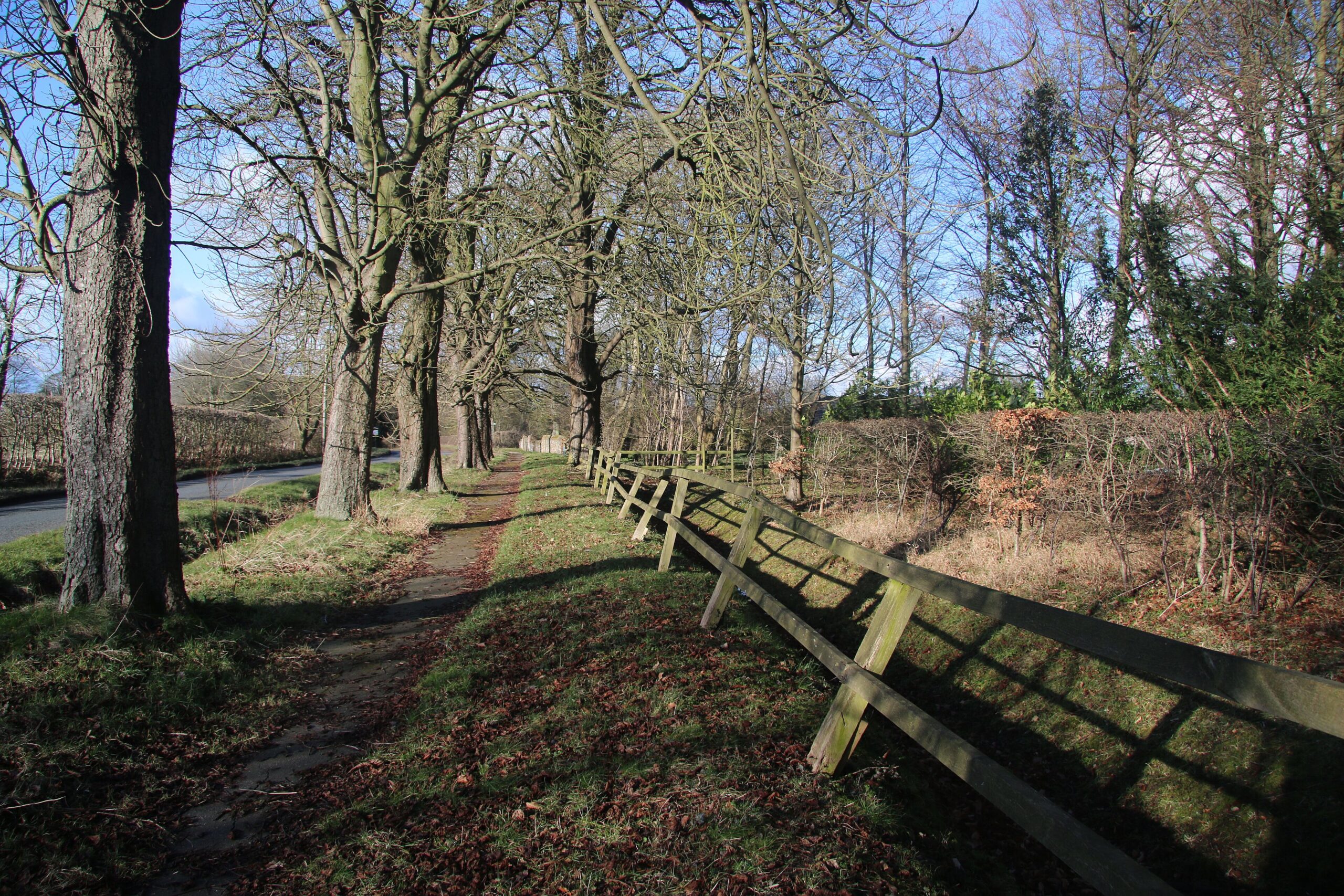
The storm hit while the couple were still new to the house. The fence did not fall, but it tilted badly, to roughly 70 degrees by the poster’s description.
Their homeowner’s insurance would not cover it. Because it was winter, they decided to wait for spring and hire someone then.
Fences are a common surprise for new owners. The Insurance Information Institute, an industry group that explains coverage to consumers, notes that what a homeowner’s policy pays for depends on its terms and on the cause of the damage, and a claim for a structure like a fence is not automatic.
The couple did not ignore the fence. They had a plan and a season for it. The trouble was that the plan did not match the neighbor’s calendar.
The Complaint to the City
The neighbor behind them did not want to wait until spring. The neighbor called the city and complained that the leaning fence violated code.
A city inspector came out and agreed: the fence was out of code and had to be corrected.
Disputes like this are often settled by local rules rather than by the neighbors themselves. Nolo’s guide to neighbor disputes points out that city codes and ordinances frequently decide what an owner must do about a fence, and that a complaint to the city can start that process.
Once the city was involved, the couple were on a clock. The question became how to satisfy the inspector, not when it would be convenient to rebuild.
The Fix the Neighbor Didn’t See Coming
Rather than rebuild, the couple removed the fence entirely. With no fence standing, there was nothing left out of code, and the property came into compliance.
They decided not to replace it, a choice the poster framed as payback for the complaint.
The neighbor’s pool changed the math. With no fence between the yards, the neighbor now needs to put up a new fence on their own side before filling the pool for summer, because the pool requires a safety barrier.
Why the Pool Needs a Barrier
Barrier rules around backyard pools are tied to child safety. The federal Pool Safely campaign, run by the U.S. Consumer Product Safety Commission, urges pool owners to surround pools with fences and gates as a layer of protection against drowning, and many local codes require one.
That is why the couple’s choice landed so hard. Their old fence had been doing part of the neighbor’s job too. Once it was gone, the cost of the barrier moved to the house with the pool.
Readers Weigh In
TwistedSifter presented the move as malicious compliance: the city got a property that met code, by way of no fence at all. The couple had a timeline, spring, and the complaint to the city cut that short.
The story struck a chord because both sides followed the rules. The neighbor used the code to force a repair. The couple used the same code to choose the simplest legal fix, and the neighbor’s own pool rules did the rest.
Leaning and failing fences have set off other fights on this site, including a case where a neighbor’s leaning fence pushed 10 inches into a side yard despite city citations, and one where neighbors had a woman’s fence torn out while she was at work.
This article was produced with AI assistance and edited for accuracy against the sources linked above.