A Villages Board Labeled Larry Van Dyke a Repeat Offender Over the Weeds at His Sabal Chase Home, Even Though Inspectors Had Already Found the Yard Clean Twice
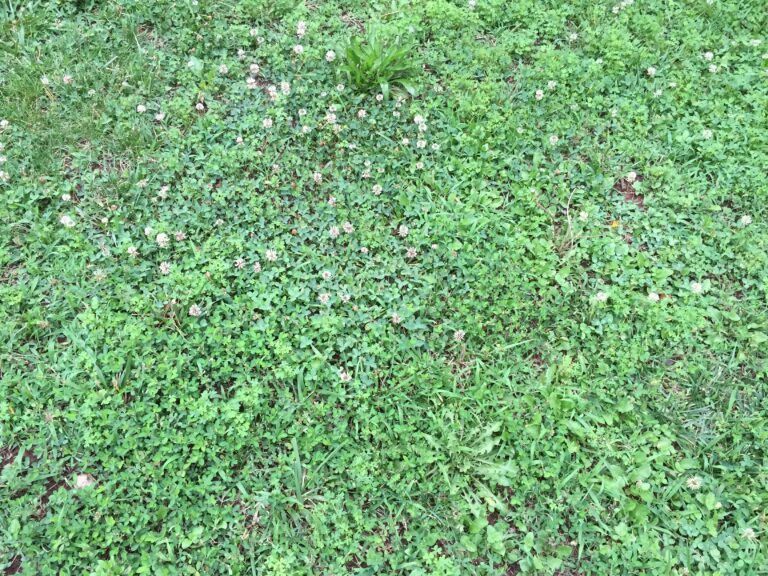
On Aug. 25, a complaint about weeds reached The Villages’ Community Standards Department. It concerned 876 Lucky Lane in the Village of Sabal Chase, the home of Larry J. Van Dyke, and because it was not his first, it set off a process that ended with a board of supervisors declaring him a repeat offender.
By the time the board heard the case, inspectors had already checked the yard twice, on Oct. 15 and Nov. 16, and found the weeds gone. The board found him in violation anyway, then decided not to fine him.
A Second Weeds Complaint on Lucky Lane
The case went before the Community Development District 6 Board of Supervisors at a public hearing at the SeaBreeze Recreation Center, Villages-News reported on Nov. 21, 2026. The outlet described Van Dyke as a homeowner with a history of deed compliance issues.
The history mattered. Van Dyke had an earlier violation for overgrown grass and weeds at the same property, and that case was resolved in December 2025. When the Aug. 25 complaint came in about eight months later, staff classified it as a reoccurring violation.
Villages-News did not report who filed the August complaint.
Why a Repeat Case Skips the Usual Grace Period
Under the district’s policies, a repeat offender can be scheduled for a public hearing without the standard grace period that normally gives a homeowner time to fix a problem first. A second weeds case, in other words, can go straight onto a board agenda.
That is how a yard that had already been cleaned up still ended up in front of an elected board.
According to the district’s own page, District 6 covers about 1,496 acres and roughly 6,697 home sites in Sumter County, including Sabal Chase, and is governed by five elected supervisors serving four-year terms.
Two Clean Inspections Before the Hearing
Van Dyke did not ignore the complaint. He contacted staff to say the property had been maintained, according to Villages-News.
The inspections backed him up. A subsequent inspection on Oct. 15 and a final check on Nov. 16 confirmed the weeds had been removed and the property was back in compliance with community standards, the outlet reported. It said the property was brought into compliance before the hearing.
So when the supervisors took up the case, the yard in question was, by the district’s own inspections, clean.
Found in Violation, Fined Nothing
The board still found Van Dyke in violation of the repeat offender policy. The finding is tied to the reoccurrence itself: a second weeds violation after the first was closed in December 2025.
The supervisors imposed no fines, because the property had been brought into compliance before the hearing. The case is now closed, according to Villages-News.
That outcome is milder than some recent deed compliance cases in the community. One couple in the Village of St. James faced a $250 charge for each cleanup if they missed a seven-day deadline, and another overgrown yard whose owner had died faced fines of $50 a day.
How Yard Complaints Work in The Villages
Landscaping and yard appearance in The Villages fall under the Community Standards Department, which handles both architectural review and deed compliance. Homeowners need approval for exterior changes, landscaping included, and the department enforces the deed restrictions that come with each home.
Complaints about violations visible from outside a home are filed through the district’s Report a Deed Violation form and sent to Community Standards for verification before anything else happens.
Public hearing agendas and results are posted on the district’s meeting agenda and minutes page. The district also notes that Florida law bars board members from discussing individual deed compliance cases with residents, so homeowners with questions about a case are directed to the Community Standards staff instead.
For Van Dyke, the case ends without a fine, but with a repeat offender finding on a yard that had passed two inspections before the board ever looked at it.
This article was produced with AI assistance and edited for accuracy against the sources linked above.
Image: Famartin – CC BY-SA 4.0/Wikimedia Commons