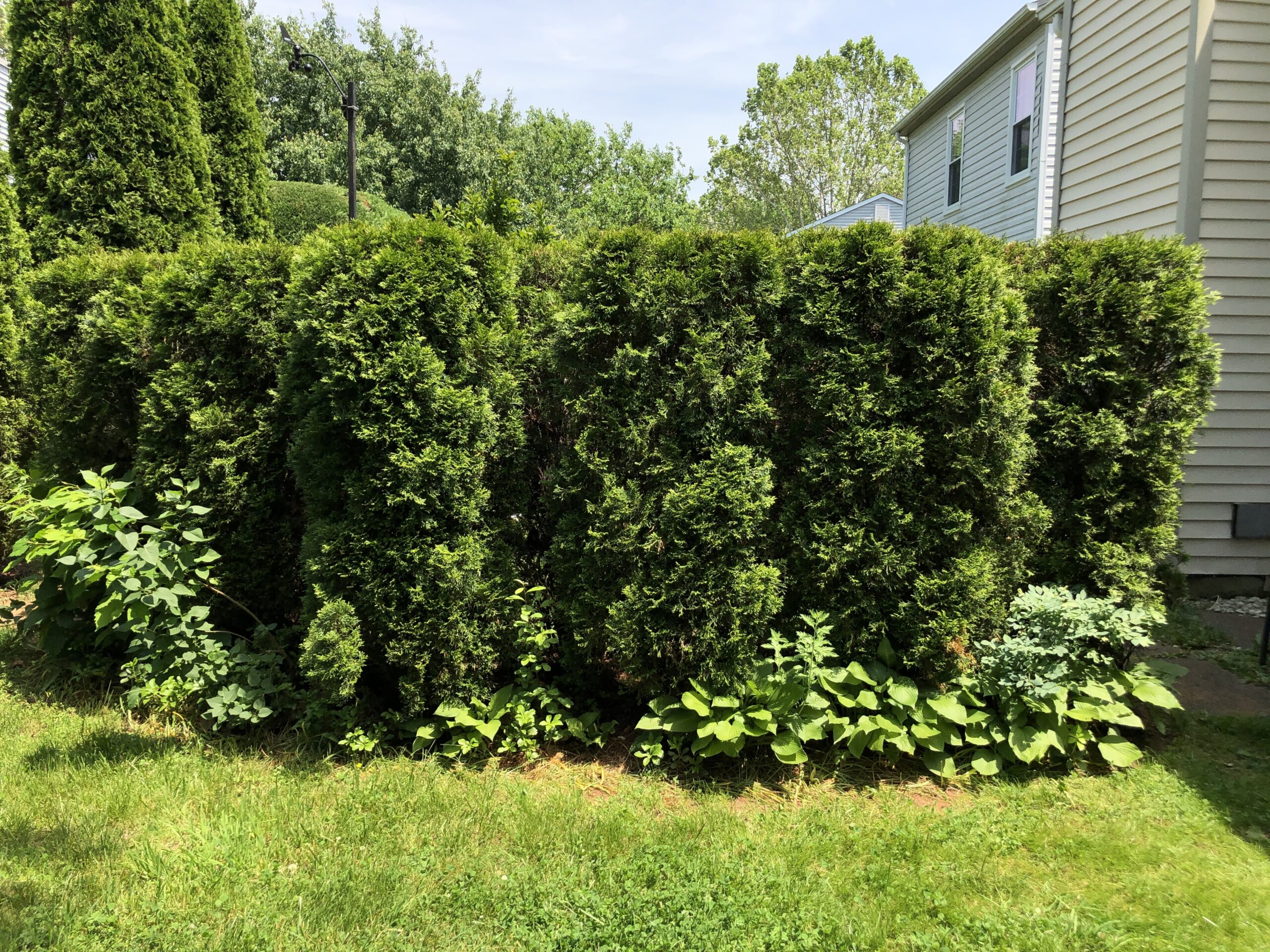
At First, He Allowed The Neighbor To Use a Third of His Backyard for Volleyball. After the Man Hounded His Crew, He Added A Row of Trees to Block Him Out
For a while, a homeowner did not mind that the neighbor on the corner lot treated part of his backyard as their own. The neighbor had been using about a third of it for volleyball and badminton, and the arrangement seemed harmless. That changed once a renovation crew showed up, and it ended with a row of trees standing exactly where the neighbor used to walk through.
The homeowner laid out the whole sequence in a post that TwistedSifter wrote up on Nov. 15. His house is fairly new and backs onto protected woods, which gave the back of the lot a quiet, open feel. The neighbor’s games took up roughly a third of that space.
A Neighbor Who Kept Supervising the Crew
The trouble started when the homeowner hired contractors to redo the backyard. According to his account, the neighbor kept coming over to tell the crew what they could and could not do, complained that they were too loud, and at one point claimed the homeowner had asked him to keep an eye on the work. The homeowner had asked no such thing.
The head contractor eventually brought the complaints to the homeowner. When the homeowner talked to the neighbor, the man agreed to back off. TwistedSifter reported that the promise held for about two days.
Then a Ring camera alert went off. The footage showed the neighbor standing on the homeowner’s new patio, moving pavers the crew had already set. When the homeowner told him to leave, the neighbor made a rude gesture and walked back to his own house.
A Generator, a Planting Plan and a Change of Plans
As part of the project, the homeowner had a whole-house natural gas generator installed. He had planned to soften its noise for the neighbor’s sake with a living fence of trees near the unit.
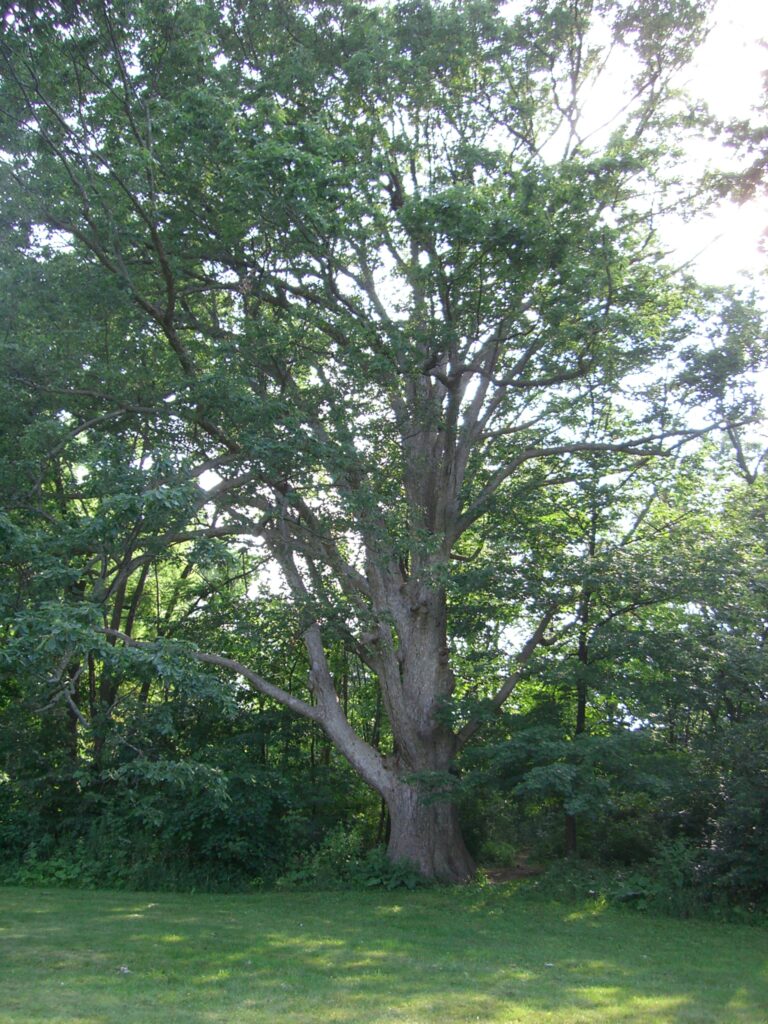
After the paver incident, he changed the plan. He had the contractor move those trees from the generator area out toward the woods, along the stretch the neighbor had been using to reach the backyard. The new row cut off the neighbor’s path completely.
A screen of trees can mark a line without a fence, but it takes planning. The University of Maryland Extension tells homeowners to confirm a site can hold each plant’s full mature height and width and to give the plants enough space, since crowded screens compete for water, nutrients and light. Oregon State University Extension recommends mixing species rather than planting one kind and says a hedge takes about 4 to 8 years to become an effective screen.
The Surveyor Call That Went Nowhere
The neighbor did not take the new trees quietly. He called the city surveyor to dispute where the property line ran.
It did not help him. The contractor had placed every tree fully on the homeowner’s land, with about 8 inches left over to allow for growth. With the trees on the right side of the line, there was nothing the neighbor could do about them, and the homeowner’s weekly status checks on the generator were left clear.
That margin matters. FindLaw’s overview of trespass to land explains that a physical intrusion onto someone’s land, even without significant damage, is typically enough to support a trespass claim. And Nolo’s guide to neighbor disputes warns that a trespasser can sometimes gain legal ownership of land just by occupying it, one reason homeowners are often advised not to let a neighbor treat part of a yard as theirs indefinitely.
Cameras, Signs and a Boundary That Holds
In its write-up, TwistedSifter suggested the homeowner keep cameras running and post “no trespassing” signs, since the neighbor had never respected the boundary to begin with.
The homeowner’s own approach was quieter. Instead of a confrontation or a lawsuit, he let the planting do the talking. The trees went where he had every right to put them, and the neighbor’s shortcut through the backyard disappeared with them.
The order of events is what stands out. At first, he did not mind the volleyball games. It was only after the neighbor started directing his crew and moving pavers on his patio that the trees went in, and by then they were placed with inches to spare on his own side of the line. Other homeowners have reached for a front gate to stop a neighbor walking onto rural land, or gated a driveway only to find a section cut out of a privacy fence days later.
This article was produced with AI assistance and edited for accuracy against the sources linked above.