He Gated His Driveway to Stop the Neighbors Parking There. Days Later He Came Home to Find a Section Cut Out of His Privacy Fence and Their Family in His Pool.
The first sign was a towel and a child’s flotation device left beside the pool. The homeowner assumed he had missed them on an earlier visit and threw them away. That same evening, he came home to find the neighbors’ family using his pool, and a section of his privacy fence cut out so it could be lifted aside.
His account, retold by Homedit in a Nov. 17 write-up, started with something much smaller: cars in his driveway. It ended with two arrests, a small-claims judgment and a backyard rebuilt around cameras and a second fence.
A Driveway Deal That Kept Getting Stretched
The house had been empty for six to eight months when he bought it, according to Homedit. During that time, the family next door had been parking in its driveway with the previous owners’ permission.
Contractors were renovating the house before he moved in. One morning, one of them called to say cars were blocking the driveway. When he talked to the neighbors, they told him the old owners had let them park there.
He offered a compromise. They could keep parking for a few weeks as long as the cars were gone by 6 a.m. each morning, so the crews could get in.
Days later, he found four vehicles in the driveway. After another incident, he called two tow trucks. The neighbors came outside before the cars were hauled away and paid more than $300 to get them back, Homedit reported. “The petty was having them towed the last time,” the homeowner said.
A Gate Out Front, a Gap in the Back
His next move was a permanent one. He hired a contractor to put a gate across the driveway. Even then, the neighbors kept parking there until the gate was finished.
The gate closed off the front of the property. It did not close off the backyard. The following Saturday came the towel and the flotation device by the pool. That night, at around 9:30 p.m., he returned from dinner with his daughter and found the neighbors in his pool and on his outdoor furniture.
When he confronted them, the children ran to a corner of the privacy fence and slipped through an opening. “They had cut out the privacy fence so it could be removed,” he said, according to Homedit. The family had made their own way around the new gate.
He called the police. By his account, the father next door was arrested on trespassing and property-damage allegations, along with an outstanding warrant. The adult son was arrested on an outstanding warrant of his own.
Eighty-Three Feet of Fence and a $3,800 Judgment
He replaced the damaged privacy fence and took the neighbors to small-claims court. He reported winning a $3,800 judgment covering 83 feet of eight-foot fencing, even though only one section had been cut. When he shared the story, the money had not been paid.
He also changed the backyard itself. In an update, he said he had installed six security cameras, a video doorbell and a separate fence around the pool. He later added that the previous owners had allowed driveway parking but had never given anyone permission to use the pool.
The neighbors themselves were on their way out. He said the tenants next door were leaving after a dispute with their landlord over unpaid rent. Homedit noted that it was retelling the homeowner’s version of events and had not verified it independently.
Why the Second Fence Matters Most
The separate pool fence may be the most important change in the yard. Readers who discussed the story raised the obvious worry: a child could have been hurt in a pool the owner did not even know was being used.
That risk is real for any backyard pool. The Centers for Disease Control and Prevention says more children ages 1 to 4 die from drowning than from any other cause. The agency recommends a four-sided barrier at least four feet tall that fully encloses the pool and separates it from the house, with gates that close and latch on their own.
The Consumer Product Safety Commission’s Pool Safely campaign gives the same advice: a fence at least four feet high on all sides of the pool or spa, one children cannot climb, with water reachable only through a self-closing, self-latching gate. A perimeter privacy fence, like the one the neighbors cut through, is not the same thing as a barrier around the water itself.
The American Academy of Pediatrics goes further in its guide for parents on HealthyChildren.org. It says the pool fence should separate the water from the house and the rest of the yard, with no slat gaps wider than 4 inches and a gate latch at least 54 inches off the ground. The academy cites research suggesting fencing can prevent more than half of young children’s pool drownings. Nationwide, the CDC’s drowning facts page estimates about 4,000 fatal unintentional drownings every year, an average of 11 a day.
Shared-yard trouble tends to start with small favors that stretch. The site has covered a family whose neighbors climbed a step ladder over the fence to use their new playset, and another whose neighbors helped themselves to yard supplies and then crashed a private summer party.
From a Few Weeks of Parking to Six Cameras
Looking back, the homeowner’s first offer was a generous one. He let the neighbors keep using a driveway that was no longer theirs to use, on one condition about the time. Each step after that, from the tow trucks to the gate to the court case, came after that deal was broken.
The cut in the fence turned a parking argument into something else. It meant the neighbors had been coming into his backyard, past his locked gate, to swim in a pool he was responsible for.
Now the yard has cameras watching it, a doorbell that records, a fence around the water and a court judgment on paper. The one thing it no longer has is a family next door who thinks the property is still open to them.
This article was produced with AI assistance and edited for accuracy against the sources linked above.
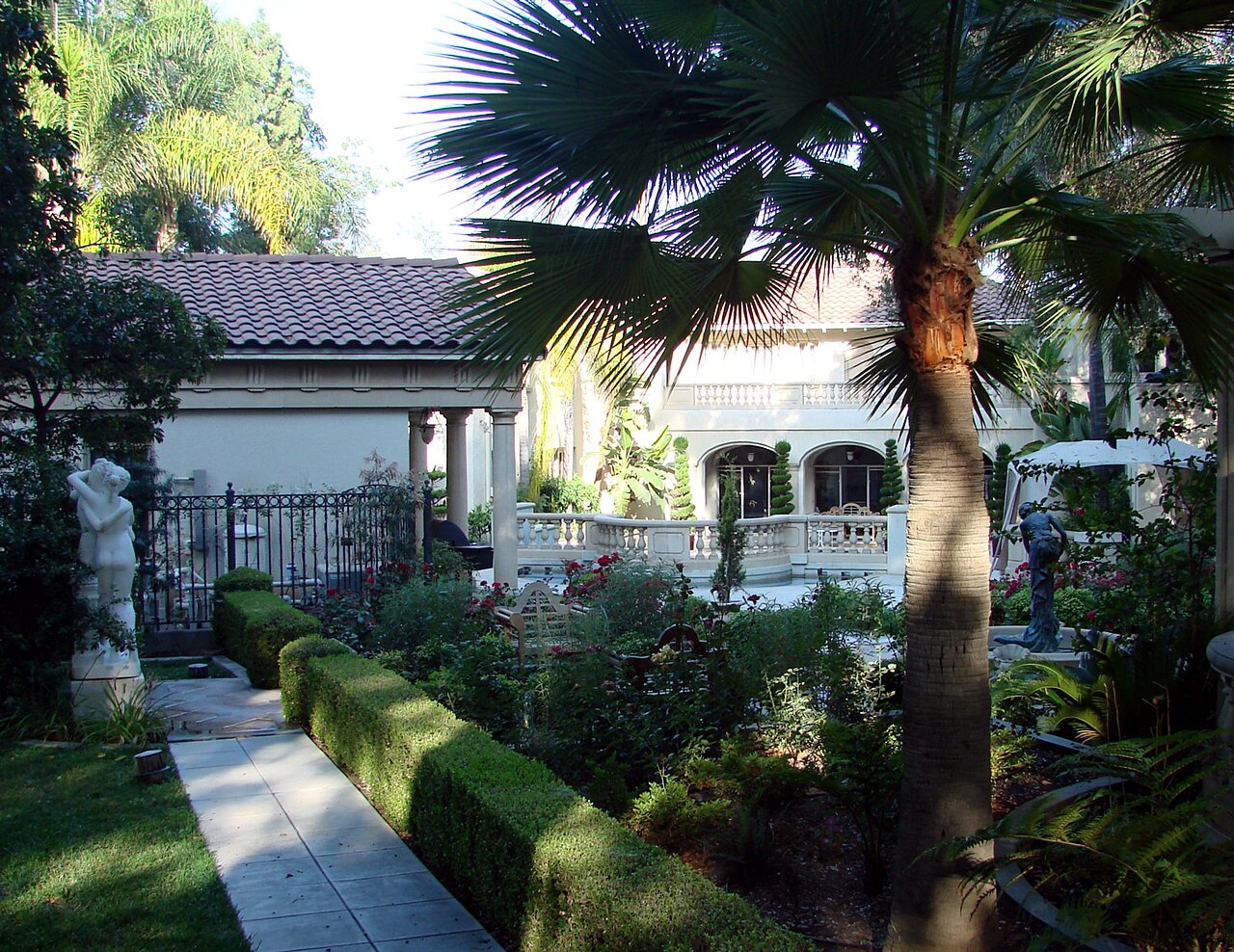
Image: inkknife_2000 (7.5 million views +) – CC BY-SA 2.0/Wikimedia Commons