Aurora Has Issued 606 Water Fines Since April, Totaling More Than $286,000, and Lawn Sprinklers Now Have to Stay Off Until April 30
Homeowners in Aurora, Colorado, have spent the year under strict lawn watering rules, and the city has been keeping score. Aurora Water has issued 606 fines totaling more than $286,000 since April, along with 4,247 warnings, according to figures Conservation Manager Tim York gave Colorado Politics in October.
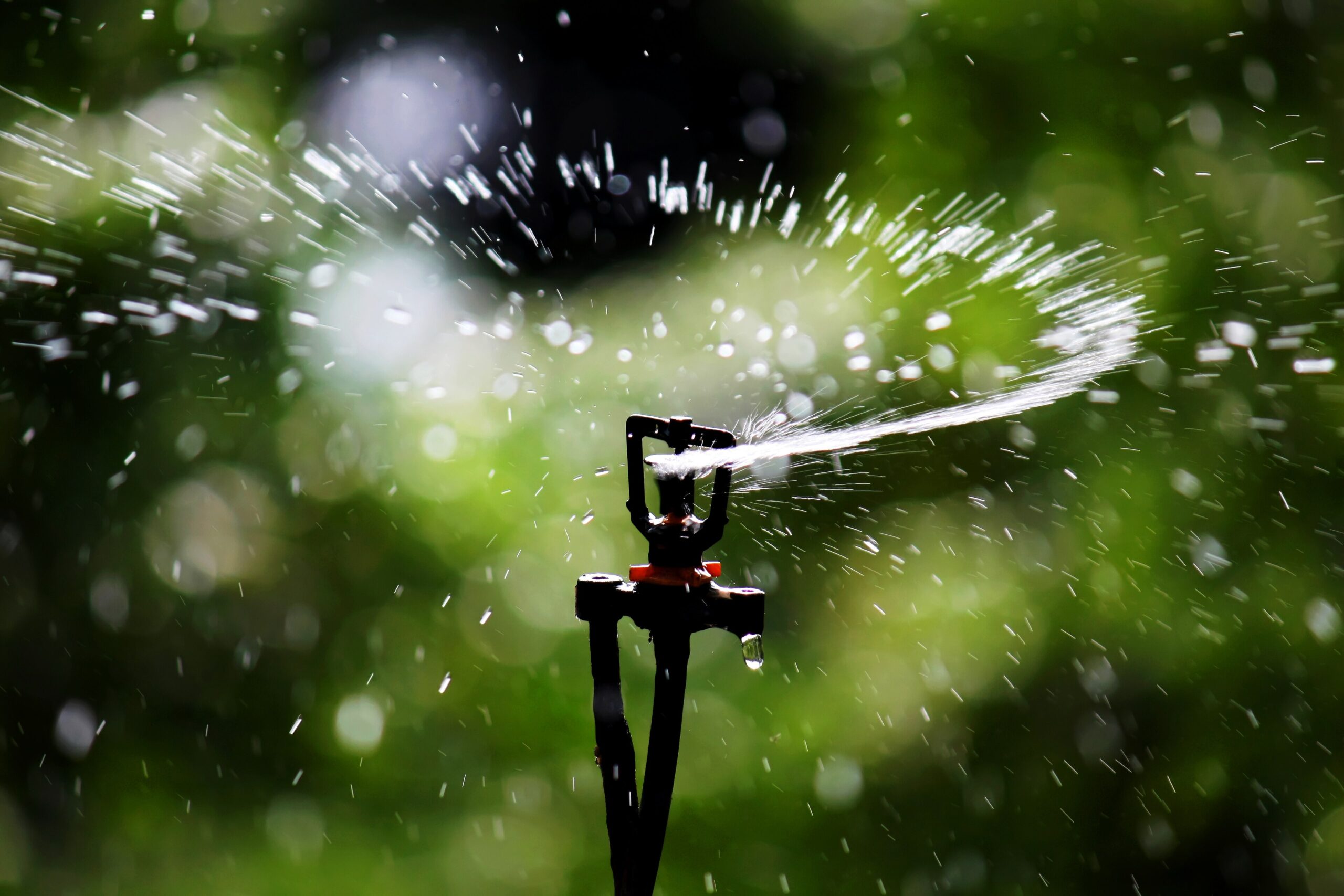
Now the rules have tightened again. Since Oct. 1, spray irrigation has been banned on lawns outside a short list of high-use spaces, and that ban runs through April 30.
A Fall-to-Spring Sprinkler Ban
The Aurora City Council passed the new ordinance at its Sept. 28 meeting. It bans spray irrigation in areas that are not high-use from Oct. 1 through April 30. Home lawns are not on the list of exemptions.
The exemptions are spaces that get heavy traffic: public parks, school grounds, athletic and playing fields, and golf courses. The same ordinance also prohibits installing new turf and new ornamental water features.
The effect showed up almost immediately. From Oct. 1 to Oct. 5, Aurora used about 32 million gallons a day outdoors, compared with a historical average of 59 million gallons a day for those dates, Colorado Politics reported. York credited the September ordinance for the drop.
How the Fines Add Up
Aurora has been under a Stage 1 water shortage declaration since early April, when the City Council unanimously approved outdoor watering limits, according to the Denver Gazette. Stage 1 cut outdoor irrigation to two days a week, down from the city’s default limit of three days a week for residential turf.
The penalties climb with each violation. Homes get a warning the first time, a $250 fine the second time and a $1,000 fine the third. Commercial properties get a warning, then $500, then $2,000. After a third violation, Aurora Water can keep fining at the top level or shut off the water.
By October, about 10 irrigation meters had been shut off, York told Colorado Politics.
The numbers grew fast over the summer. In July, the Denver Gazette reported 1,751 warnings in total, including 1,280 to residential properties, and just 27 residential fines. By October, warnings had passed 4,000 and fines had passed 600.
Smart Meters Do the Watching
Much of Aurora’s enforcement runs on data. Smart water meters installed on homes send usage data every 15 minutes over a cell signal, KUNC reported in July. Weekly computer scripts sort through about 2.2 million data points a day to flag likely watering on days it is not allowed.
Staff then check each flagged case before sending a warning or a fine. York told KUNC the utility is “not picking on people just to pick on them,” in a report also published by Utah Public Radio. He also put the city’s situation bluntly: “Water supply is very, very poor.”
York’s data through June 2 showed that residents who watered three or four days a week used 41 percent more water outdoors than those who watered two days or fewer.
Most People Comply, the City Says
Aurora Water spokesperson Shonnie Cline has described residential compliance as “incredible compliance,” the Denver Gazette reported, while noting that commercial users and HOAs had not all followed the rules.
“Nine times out of 10 people are wanting to do the right thing and get into compliance,” Cline told Axios Denver in August. By then, outdoor water use was down 24 percent from the year before, beating the utility’s 20 percent goal, and Aurora Water was recommending that its limits stay in place through at least next year’s spring runoff.
If the drought deepens, the next step is Stage 2, which would limit outdoor watering to one day a week. Stage 3 would ban outdoor watering entirely, according to the Denver Gazette. Cline said the coming winter’s snowpack will largely decide the outlook for next year.
Denver’s Lawns Are Dry Too
Aurora is not alone. Next door, Denver Water has banned all lawn watering since Oct. 1, with sprinklers expected to stay off into spring 2027, and the utility has announced higher drought charges for 2027.
Denver’s enforcement looks different. Over the summer it leaned on a neighbor tip line, which drew about 5,500 reports of possible violations, Axios reported, and staff had to see and document a violation before a formal warning went out. After its full ban began, Denver Water issued nearly 300 citations and $175,500 in fines in about two weeks, the Denver Gazette reported Oct. 15.
Whether the rules work has been studied. Mehdi Nemati, a professor at the University of California, Riverside, told KUNC that studies through 2022 found watering restrictions across the West cut overall water use by about 12 percent, and that mandatory limits worked while voluntary ones had little effect.
For Aurora homeowners, the practical rule for the winter is simple: the sprinkler system stays off through April 30, and the meters on homes keep reporting water use every 15 minutes.
This article was produced with AI assistance and edited for accuracy against the sources linked above.
Image: Anton – CC BY-SA 4.0/Wikimedia Commons