Neighbors Tore Apart a Family’s Memorial Garden While They Were Away, Then Threatened to Call the Village Over the Yard
A person shared his story after returning home from a family visit to discover that his neighbors had completely changed the garden without permission. The trouble had started a few days earlier when one neighbor asked for some help and then turned the conversation into a complaint about the condition of the yard. There were some weeds and a few plants that needed attention, but the homeowner was already preparing to move and had other things demanding his attention.
He explained that packing his room and getting ready for the move were currently much higher on his list. His mother was also recovering from an injury that made walking difficult, so the family was understandably focused on more important matters. He promised that the yard would eventually receive some attention, but apparently that answer was not good enough for the neighbors.
The Family Left for the Day
On Sunday, the family decided to visit relatives because they rarely got the chance to see them. They were gone for roughly eight hours, leaving their home and garden behind as they had left them. There was no reason to expect anything unusual when they returned.
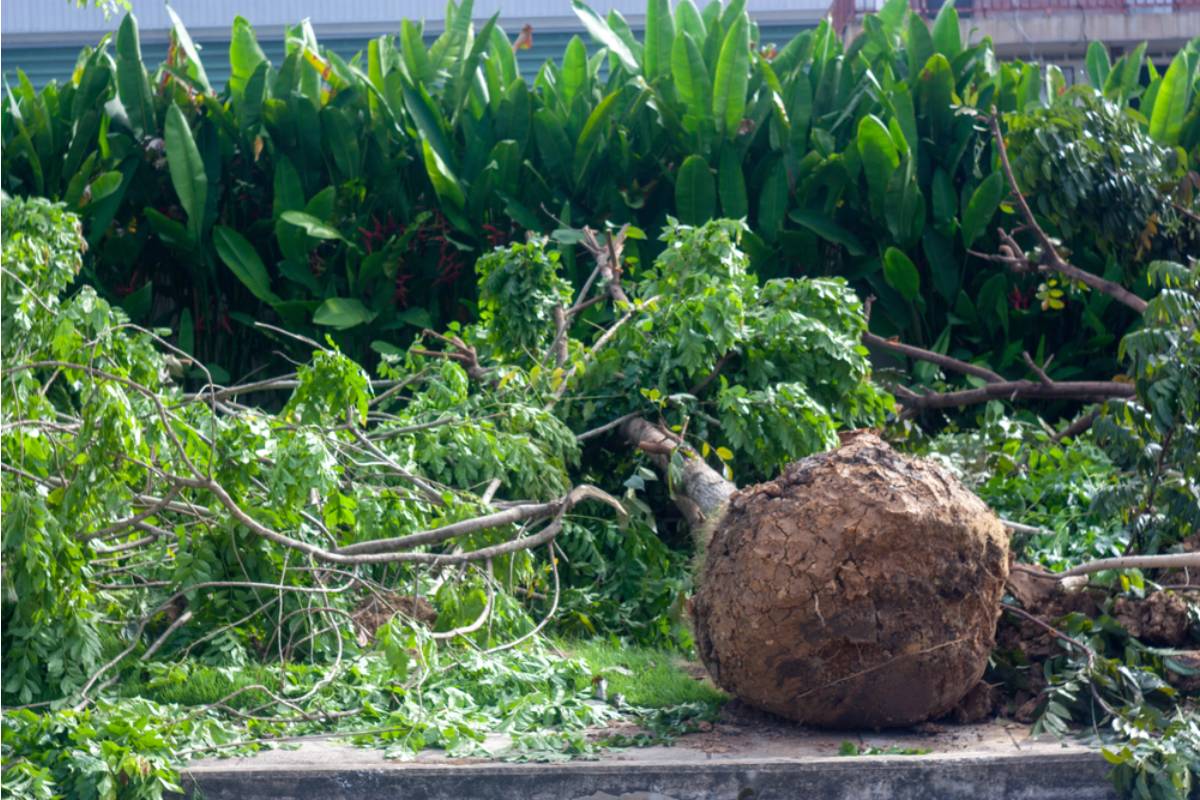
Instead, they came home to a garden that looked as though someone had declared war on it. The family quickly realized that this was not ordinary yard maintenance, because their plants and flower beds had been deliberately removed.
Almost Every Garden Had Been Touched
The damage was not limited to one messy corner of the yard. According to the person who shared the story, the neighbors had ripped out all of their gardens and destroyed numerous plants and flowers. Even his mother’s rhubarb was pulled from the ground.
That alone would have been upsetting, especially because these were not simply decorative plants bought on a random trip to a garden center. Many of them carried years of family memories. Then the family noticed something that made the situation considerably more painful.
The Memorial Flowers Were Gone
Among the destroyed plants were flowers the family had planted in memory of the homeowner’s father after his funeral. Those flowers had become part of the family’s way of remembering him and finding some peace around the home.
Instead of being ordinary landscaping, they represented a connection to someone they had lost. Seeing those plants ripped out turned what might have looked like a gardening dispute into something deeply personal. The neighbors had not just changed the appearance of the yard, they had destroyed pieces of the family’s memories.
Then They Found Out It Was Worse
The family later discovered that another group of flowers had also been destroyed. These were plants the homeowner’s father had personally planted and loved, and they were located even farther onto the family’s property.
That detail made the situation feel even more deliberate. It was one thing to claim that a garden was untidy from a distance, but reaching farther onto someone’s property to remove plants was an entirely different matter. The family now had to deal with the loss of plants that had sentimental value as well as the mystery of exactly how far the neighbors had gone.
The Neighbors Had a Reason
The neighbors apparently had an explanation for what they had done. They claimed the garden was something they had to look at whenever they walked outside, suggesting that the appearance of the property had become a problem for them.
There was just one obvious flaw in that argument. Nobody was forcing them to stare at the garden, and there was plenty of other scenery around the neighborhood. The homeowner was understandably frustrated by the idea that the neighbors had decided their personal view mattered more than the family’s property rights.
The Yard Was Not What They Claimed
The homeowner also pushed back against the idea that the property was some kind of gardening disaster. He admitted there were weeds and plants that needed cleaning up, but described the yard as far from terrible.
The timing mattered too. He was already planning to move and had explained that packing and preparing his room took priority. With his mother recovering from an injury, the family had even more reason to postpone nonessential yard work. What they needed was time, not a surprise gardening crew.
Then Came the Threat
The confrontation apparently did not end with the plants being removed. The neighbors also threatened the family by saying they did not want the village contacted because the yard looked so bad.
That statement added a strange new layer to the story. The neighbors had apparently taken matters into their own hands, but were simultaneously concerned about authorities becoming involved. For the family, that raised an obvious question: if the neighbors genuinely believed there was a legitimate property or maintenance issue, why had they entered the yard and removed everything themselves?
A Response From a Person Suggested Documenting Everything
A response from a person suggested recording everything that had happened, including the earlier conversation in which the neighbor complained about the yard. Another response from a person recommended contacting the appropriate authorities and getting professional legal advice rather than simply moving away and leaving the incident undocumented.
The practical point was to preserve evidence before memories faded and before the garden changed further. Photographs of the property from before the damage, photographs of what remained afterward, and records of conversations could potentially help establish what happened. The family had already lost the plants, so preserving the story of how they were destroyed became important.
Someone Mentioned the Value of Old Plants
One response from a person made an interesting point about mature perennial plants. Replacing a plant is not always as simple as buying another one of the same species from a nursery.
A young replacement may technically be the same plant, but it cannot instantly reproduce the appearance, size or history of something that has been growing for years. A mature rhubarb plant or established perennial garden represents time that cannot simply be purchased and installed in an afternoon.
The Revenge Suggestions Took a Wild Turn
Not every response from a person was nearly as practical. Some people immediately started imagining elaborate revenge, including suggestions involving salt and the neighbors’ own garden.
The idea of destroying someone else’s plants might sound satisfying for about five seconds, especially when emotions are running high. But another response from a person correctly pointed out that these were bad ideas. Starting a second gardening war would only create another problem while doing nothing to restore the flowers that had already been lost.
The Missing Flowers Were More Than Landscaping
This is what makes the story especially painful for gardeners. A flower bed can look completely ordinary to someone walking past it, while meaning something enormous to the person who planted it.
The flowers connected this family to their father, and some had been planted specifically after his funeral. A neighbor looking at an untidy patch of vegetation could see weeds and overgrowth, while the family saw memories, grief and years of care growing in the soil.
The Garden Had Become Part of Their Healing
Plants often become surprisingly important after major changes in a family. Caring for something living can create a small routine when everything else feels chaotic, and watching a plant return each spring can become a comforting reminder that time continues.
For this family, those flowers had apparently become part of that process. They were not simply trying to maintain an attractive front yard for passersby. They had created a living memorial that belonged to them and carried meaning that could never be measured by how neat the garden looked.
The Biggest Twist Was Who Decided the Garden Needed Fixing
The homeowner had already acknowledged that the yard needed some attention. He had not refused to do anything forever, either. He had simply said that packing for his move and caring for his recovering mother came first.
That makes the neighbors’ decision to intervene particularly striking. Instead of waiting for the homeowner to handle his own property on his own schedule, they apparently decided they were entitled to solve the problem themselves. By the time the family returned from visiting relatives, the garden had been transformed without their permission.
A Garden Can Be Messy Without Being Meaningless
Gardens are rarely perfect, especially when people are dealing with moving, injuries, family responsibilities and everything else life throws at them. A few weeds do not erase the memories attached to the plants growing among them.
The story is a reminder that the appearance of a garden can tell only part of its story. What looks like an untidy flower bed to one person might be a memorial, a family tradition or the last surviving piece of someone’s favorite corner of the yard to another.
The Family Came Home to a Different Garden
The most heartbreaking part of the story is how quickly years of memories could disappear. Eight hours was enough for the family to leave home expecting to return to the same garden and instead discover that much of it had been ripped away.
The plants could potentially be replaced, but the exact plants their father had chosen and loved could never truly be recreated. For a family already preparing to move and coping with a difficult period, the garden they had cultivated for comfort suddenly became another thing they had to mourn.
Sometimes the Best Garden Is the One That Means Something
A perfectly manicured garden might impress everyone who passes by, but a garden filled with personal meaning can be valuable in a completely different way. The flowers in this story mattered because of the people connected to them, not because they satisfied some imaginary neighborhood landscaping standard.
The family may eventually plant new flowers, take cuttings from surviving plants or create another garden somewhere else. But the lesson will probably stay with them: when you see someone else’s garden looking a little wild, you never really know what is growing underneath the weeds. Sometimes it is not just a plant, but a memory someone is still trying to keep alive.