Peach Trees Need a Copper Spray for Leaf Curl in November, and a California Master Gardener Says Products Must Be 50% Copper to Work
Peach leaf curl is settled in the weeks after the last leaves fall, long before a single reddened, puckered leaf appears in spring. That timing is behind the November advice from Peyton Ellas, a University of California Cooperative Extension Master Gardener and owner of Quercus Landscape Services, in a Nov. 4 garden column in the Mid Valley Times. Ellas writes that peach trees should be sprayed with copper or Bordeaux mixture, and that “products need to have 50 percent copper to be effective.”
The column is labeled as opinion, so the details below are checked against University of California guidance, which agrees on the timing and differs on how products are described.
Why the Spray Goes On When the Branches Are Bare
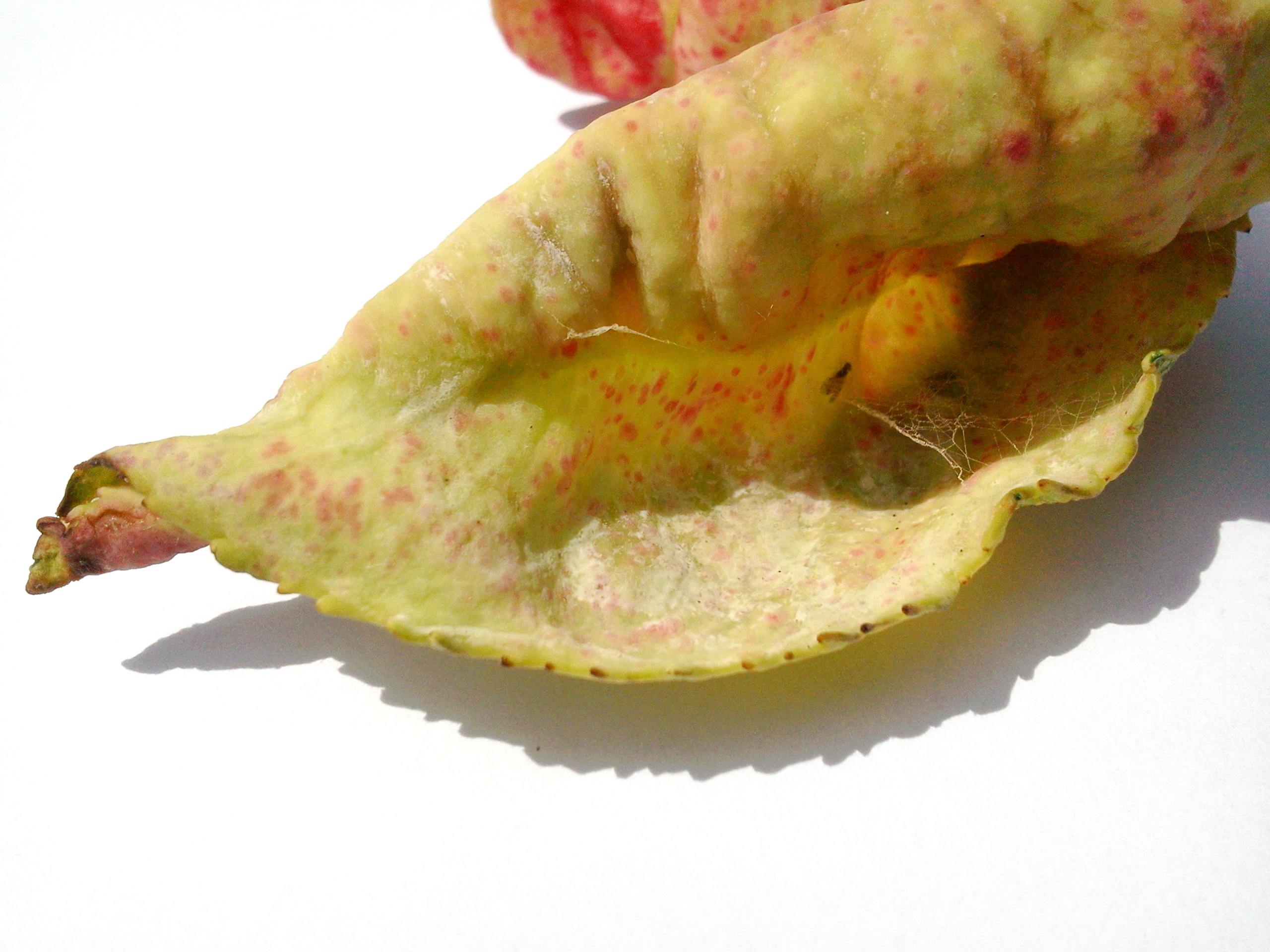
The disease is a fungus, Taphrina deformans, that affects peach, ornamental flowering peach and nectarine trees. According to the University of California’s home and landscape guide to peach leaf curl, new leaves and shoots redden and pucker in spring, then may yellow, develop a grayish white powdery coating and drop. Infected shoots can thicken, stay stunted and die. The symptoms do not appear later in the season, but spores can infect the next year’s growth.
The fungus waits out the dry summer on bark and buds, as UC’s peach pest management guidelines explain, and fall and winter rains trigger it to germinate. Infection happens only on young tissue, which is why cool, wet spring weather favors the disease. The guidelines say sprays applied after leaves drop give good coverage of buds and branches, and applying them before heavy rain keeps protective residue in place when infection risk rises. A UC fruit and nut page makes the same point: spores overwinter on twigs and buds and are more likely to germinate after heavy spring rain.
The home-garden guide is blunt about the other side of that timing. Spraying during the growing season is to be avoided, and treating after symptoms appear will not be effective. The UC IPM Quick Tips sheet, updated in July 2025, adds that fungicides will not work in the growing season and may damage foliage, and that trees recover normal growth once the weather turns warm and dry.
What the 50 Percent Copper Line Means on a Label
Ellas tells gardeners to spray the trunk, the branches and the ground beneath the tree with a copper-based fungicide, a Bordeaux mixture or a synthetic fungicide. The column describes Bordeaux as a slurry of hydrated lime and copper sulfate, and says copper-based products must contain 50 percent copper to work.
UC’s home guide does not set a percentage. It names copper soap (copper octanoate) and copper ammonium, both fixed coppers, as the least toxic effective options for backyard trees, and says adding 1 percent horticultural oil improves them while oil alone is not effective. Bordeaux mixture, copper sulfate plus hydrated lime, is also effective, but it must be mixed just before use and the ingredients are hard to find. Chlorothalonil is the only other fungicide listed for the job, and the guide suggests alternating it with copper to limit copper buildup. Lime sulfur is no longer registered for backyard use.
A UC Agriculture and Natural Resources post by Lauren Fordyce, Peach Leaf Curl Spray Timing, says numerous copper-based fungicides are effective when used according to the label. It adds that only the label rate should be used, to help avoid fungicide resistance, and that sprays should not go on right before rain.
The UC guidelines add a detail that fits Ellas’s warning about weak products. They say reduced-copper formulations, rated at 1.2 to 2.1 pounds of metallic copper equivalent, are less effective in long, rainy winters, and that growers using them should apply the upper label rate, add a sticker or winter oil, and plan two applications. The practical reading is that a product with a low copper content can fall short, and the label is the place to check it.
Rake, Remove the Mummies, Prune Before Spraying
Ellas puts sanitation ahead of the spray. Fallen leaves should be raked up, and old fruit mummies should be removed and thrown away, not put in the compost, a rule applied to all fruit and nut trees.
The UC guidance is more careful about what cleanup accomplishes. The home guide says removing diseased leaves or pruning infected shoots has not been shown to improve control. Pruning in fall before spraying, however, can reduce overwintering spores and the amount of fungicide needed. Thinning fruit can help trees that were severely affected by stunted growth.
Fordyce’s post explains the stakes. Untreated trees can decline over several years and may need removal, and fruit quality can also suffer.
One Spray, Sometimes Two, and a Copper Caution
Ellas says one application is usually enough, with a second before flower buds swell after a wet winter. UC’s guidance matches. A single treatment while the tree is dormant is generally advisable, and the home guide adds a second spray late in the dormant season, as flower buds begin to swell, in high-rainfall areas or during wet winters.
Timing depends on where the tree grows. UC’s home guide says to spray just after leaves have fallen, usually late November or December, and that leaf fall can come as late as early January in warmer southern areas. Fordyce’s post puts the start in late November in Northern California and early January in Southern California, always after leaf drop but before flower buds swell. That range is why a November tip needs some flexibility: a gardener in a warmer or colder spot should watch for leaf drop on the tree, not the calendar.
Variety matters too. The home guide lists Frost, Indian Free, Muir and Q-1-8 as peach varieties with strong tolerance, although it says Frost still needs fungicide for its first two to three years. Redhaven and most of its descendants are tolerant, while Redskin and its descendants range from susceptible to highly susceptible.
The guide closes with cautions. Repeated copper use can build up in soil and harm soil organisms, and runoff can harm aquatic life, so coverage should be thorough, meaning spraying until the branches and twigs are dripping, and gardeners should wear protective clothing and goggles and follow label directions for rates and disposal.
This article was produced with AI assistance and edited for accuracy against the sources linked above.
Image: Eiku – CC BY-SA 4.0/Wikimedia Commons