Pierce Township Neighbors Won $1,654,080 From a Federal Jury After a Company Logged About 250 Trees From the Woods Shielding Their Homes From an Old Coal Plant
$1,654,080 is what a federal jury in Cincinnati awarded to a group of Pierce Township residents after a company cut down about 250 trees in the woods that stand between their homes and the former Beckjord coal plant. WCPO reported the verdict on Nov. 18, 2026, after the jury deliberated for about two and a half hours. The money is aimed mostly at putting a forest back, and the case is not over.
The $1,654,080 Verdict, and Where Most of It Goes
The plaintiff is Neighbors Opposing Pit Expansion, known as NOPE, a roughly 40-year-old residents’ group in Pierce Township, WCPO reported. The defendant is Commercial Liability Partners, or CLP, a Missouri-based company. The case was heard in U.S. District Court in Cincinnati before Judge Michael Barrett, and the trial began Nov. 9.
Most of the award is for replacement trees. WCPO reported $1,142,860 to replant and replace 233 trees. Other items it listed were $102,000 to remove invasive species such as honeysuckle, $28,600 for revegetation and $160,620 for aftercare of the new saplings. The four line items WCPO listed add up to less than the full award, and the report does not itemize the rest.
NOPE had asked for more. According to WCPO’s trial preview, the group sought $3.3 million for the lost trees and the restoration of the forest.
The 1986 Agreement Behind the Greenbelt
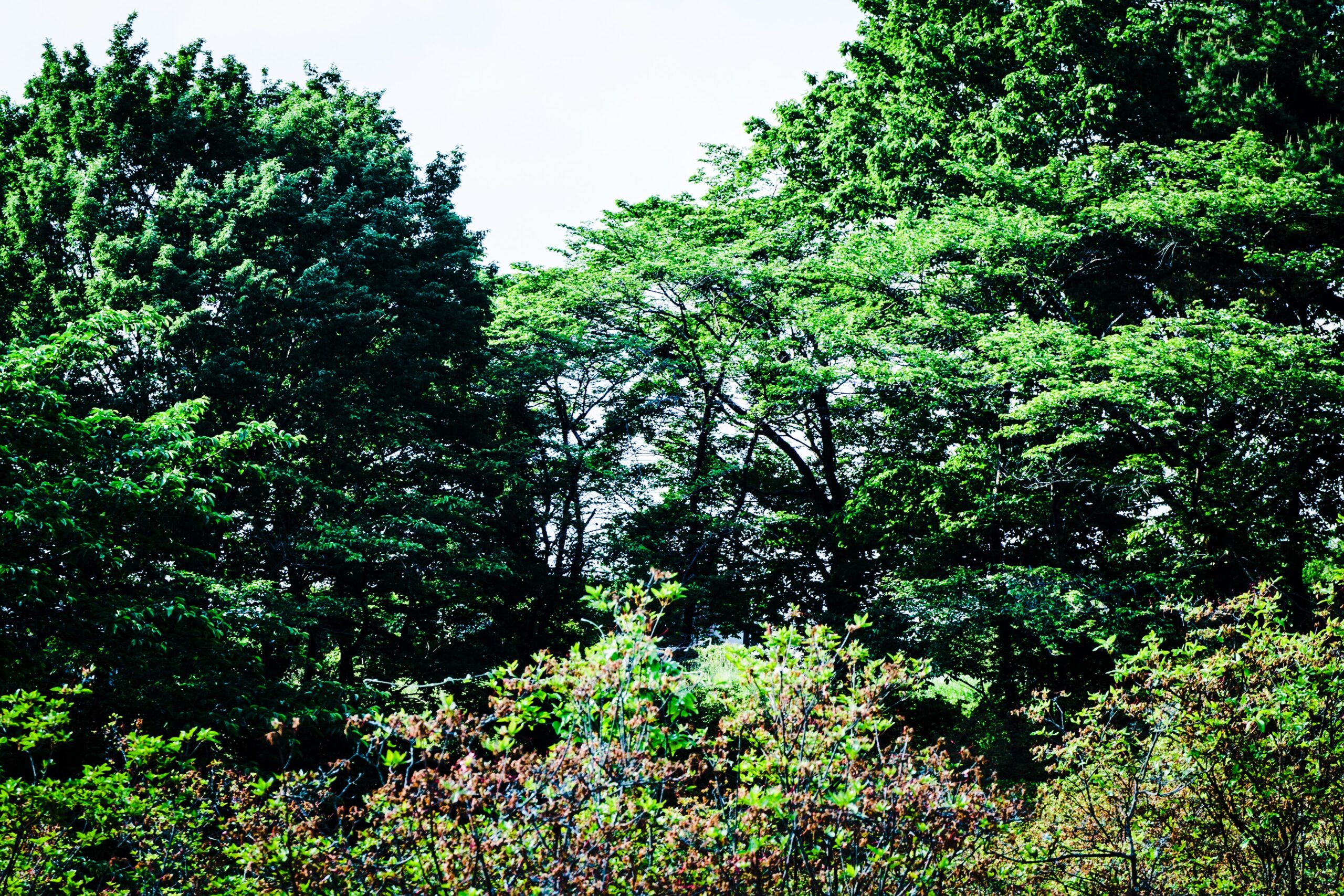
The trees stood on a greenbelt, a strip of forest between the neighborhood and the plant site. CLP owns that land, but NOPE controls an easement over it. The easement comes from a 1986 settlement with Cincinnati Gas & Electric, then the owner of the plant.
That settlement required the public to be told about contaminated waste disposal. It also required the greenbelt to be kept as a “substantially undisturbed” buffer from the coal plant, according to WCPO.
The plant itself was built in the 1950s and closed by Duke Energy in 2014. Duke Energy and its joint owners announced the sale of the retired plant to CLP, which finalized it on Feb. 26, 2018. In a 2023 ruling, as WCPO reported then, Barrett refused to dismiss the lawsuit and found the 1986 agreement was still in effect, rejecting CLP’s argument that it expired in 2016.
What NOPE and CLP Told the Jury
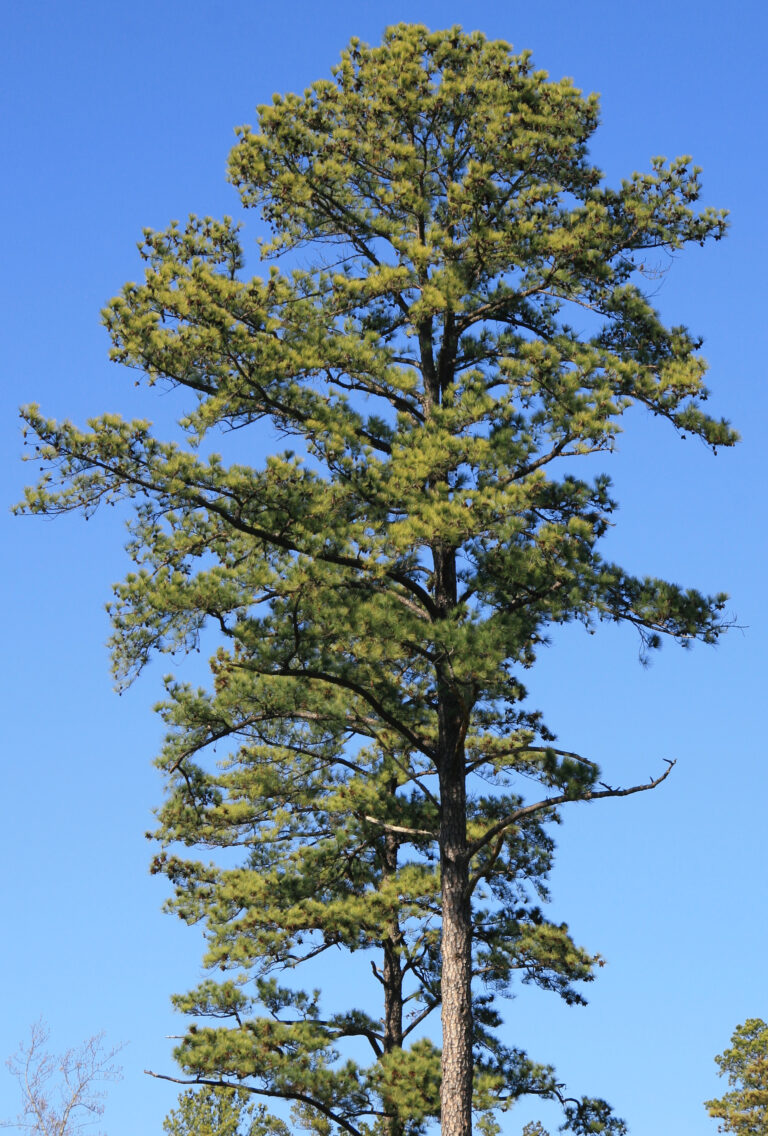
NOPE said CLP logged about 250 trees in 2019 from the easement, including pine, walnut, cherry and maple, using bulldozers and logging trucks. It also said the company cut logging roads through the forest. The group argued this breached the 1986 agreement.
CLP’s attorney, Greg DeGulias, argued the dispute comes down to what “substantially undisturbed” means, noting that the settlement does not use the words “mature forest” or “trees.” He also said there was no photographic evidence of the greenbelt’s condition before the logging. He called NOPE’s request unreasonable, saying it was more than 33 times the appraised value of the greenbelt property, $97,100.
The experts split sharply. NOPE’s arborist, Jeffrey Ling of Indiana, testified the loss was worth about $2.7 million and that restoration, plus removing honeysuckle, would cost about $500,000. CLP’s expert, Butler County arborist Mark Webber, said the jury should award nothing for the large trees and about $25,000 for seedlings in the 17-acre greenbelt, because the area was already recovering. On cross-examination, WCPO reported, Webber acknowledged that in a deposition he had called NOPE’s case “hogwash” and “fearmongering.”
Two local officials also testified. Christopher Knoop, a former Pierce Township trustee and NOPE steering committee member, described the 1986 settlement between the township and the utility. Allen Freeman, chairman of the township’s board of trustees, described the logging and the role of the greenbelt in shielding residents from the ash pits.
Why the Woods Mattered to the Neighbors
The forest stands next to more than 5 million tons of coal ash sitting in unlined ponds along the Ohio River, according to WCPO. The ash ponds sit roughly 1,000 feet from the county’s main drinking water wells, which serve about 145,000 residents.
Pierce Township is not the only place where neighbors have watched a forest buffer disappear, as in Sandy Springs, Georgia. Clermont County has also moved against the site’s owners. Its commissioners served a notice of intent to sue on June 2, 2026, under the federal Resource Conservation and Recovery Act, naming CLP, New Richmond Development Corporation and Duke Energy entities. The county filed its own lawsuit on Sept. 24 seeking a cleanup of the coal ash. Commissioner David Painter said the commissioners see protecting residents and the county’s public drinking water as their responsibility.
The Ohio EPA inspected the site in May 2026 and issued a notice of violation in June, according to WCPO’s trial preview.
What Comes Next
Before the verdict, the neighbors had asked the jury for $3.3 million over the cut greenbelt. This was only the first phase of NOPE’s case, limited to the greenbelt. A separate trial before a different jury is planned for the group’s other claims. Those claims accuse CLP of failing to disclose how it dug up and moved coal ash on the site, and of using an underfunded shell company, New Richmond Development Corp., to limit its liability. No date for that trial was reported.
WCPO’s report does not say whether CLP plans to appeal or to ask the judge to change the verdict. A summary on the Land Trust Alliance site notes that an earlier ruling in the case found the easement language ambiguous and denied summary judgment.
For the neighbors, the verdict’s aim is a replanted buffer: 233 new trees, invasive honeysuckle pulled out and years of aftercare, paid for by the company that owns the land.
This article was produced with AI assistance and edited for accuracy against the sources linked above.
Image: 些細な日常 – CC BY-SA 4.0/Wikimedia Commons