Garlic Goes In 4 to 8 Weeks Before the Soil Freezes and Under a Thick Straw or Chopped-Leaf Blanket, HGTV’s Julie Martens Forney Says
Garlic is one of the few crops that gets planted now for a harvest next summer. HGTV gardening contributor Julie Martens Forney says fall-planted garlic should go in 4 to 8 weeks before the soil freezes, for a midsummer harvest, and should then be tucked under a thick blanket of straw or chopped leaves.
Her advice comes from two HGTV garden guides, a last-minute fall projects gallery and a November to-do list. Both are seasonal guides rather than news, and neither shows a publication date, so extension sources help fill in the details.
The timing window
Forney’s November list says to keep planting garlic until a few weeks before the ground freezes. The idea is to give each clove time to grow roots before winter, without sending up tops that cold can hurt. In her gallery, the guideline is 4 to 8 weeks of lead time before the freeze.
Extension advice is in the same range, with some variation. University of Vermont Extension Master Gardener Amy Simone writes that cloves go in about three weeks before the ground freezes, usually mid-October to early November in the Northeast. Penn State Extension’s Paula Ream, a Columbia County Master Gardener, gives the same three-week rule, adding that fall is the best time to plant garlic so roots can establish before winter. The University of Minnesota measures from the weather instead, saying to plant about one to two weeks after the first killing frost.
Minnesota’s page explains what happens next: roots and shoots form by the first hard freeze, but shoots usually do not appear above ground until spring. That is why a clove planted in November can look like nothing for months and still be doing its work.
Depth and spacing
The November list recommends the largest cloves, each set about 2 inches below the soil surface and 6 to 8 inches apart, which helps bulbs size up. It adds a watering schedule: water after planting, then weekly if rain is scarce.
Vermont and Penn State both say at least 2 inches deep, with 4 to 8 inches between cloves and the pointed side up. Minnesota’s guidance is slightly deeper, with the base of each clove 2 to 3 inches below the surface and cloves 6 inches apart in double rows on beds 30 inches apart.
How thick the blanket should be
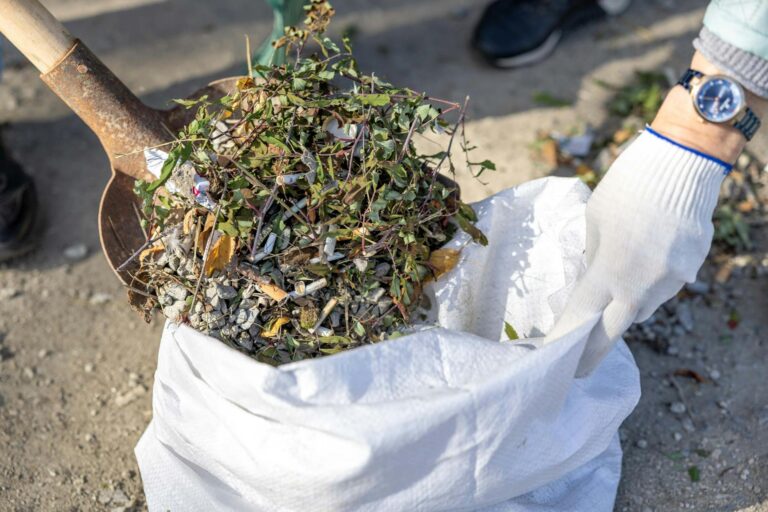
Forney calls for a thick layer of straw or chopped leaves, applied before the ground freezes. Where the ground does freeze, the November list puts the amount at 6 inches of straw or 4 inches of chopped leaves. Where it does not freeze, a 2-inch layer is enough. The mulch insulates the soil, slows freezing and gives cloves more time to grow roots.
The extension numbers are a little lighter. Vermont and Penn State both recommend about 4 inches of straw or shredded leaves, and Penn State adds that branches laid over the bed can hold mulch in place on windy sites. Minnesota recommends 3 to 4 inches of leaf or straw mulch, which buffers temperature swings over winter and early spring and helps suppress weeds. Minnesota’s page says to remove it in spring once the threat of hard freezes has passed, or leave it for weed control and moisture.
The spread in numbers reflects climate. A bed in a place with long freezes and thaws calls for the thicker end of the range, while a mild-winter garden needs the thin layer HGTV describes.
Where garlic fits among the other fall jobs
Garlic is one of 17 projects in HGTV’s last-minute gallery, which also covers picking pumpkins, taking cuttings, planting a cool-season container, saving seeds and tackling weeds. It is the one with the longest payoff, since the bulbs are not ready until the following midsummer.
Lovely Garden Roots has covered fall garlic from other angles. One earlier guide to garlic depth and spacing in November cites University of Vermont Extension, and another covers garlic under 4 inches of straw. HGTV’s contribution is the longer 4-to-8-week lead time and a mulch recommendation that changes with whether the soil freezes.
The common thread across all of these sources is that late fall is not too late, as long as the cloves have a few weeks to root and a layer of mulch goes on before the ground locks up.
This article was produced with AI assistance and edited for accuracy against the sources linked above.
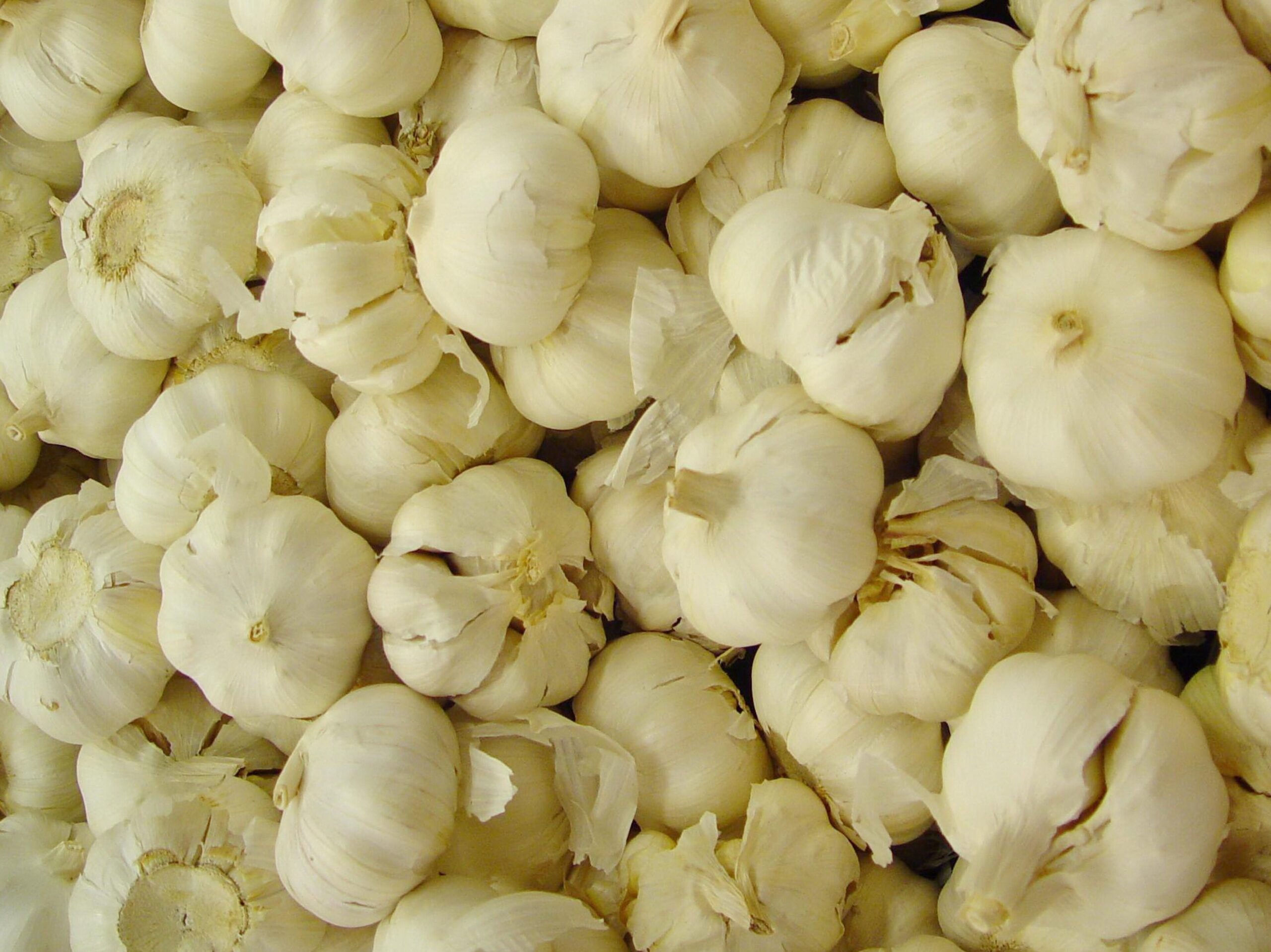
Image: “Garlic cloves” by Leon Brooks, public domain, via Wikimedia Commons.