Garlic Cloves Go In at Least 2 Inches Deep and 4 to 8 Inches Apart in November, and University of Vermont Extension Says the Bed Then Needs a Two-Year Break
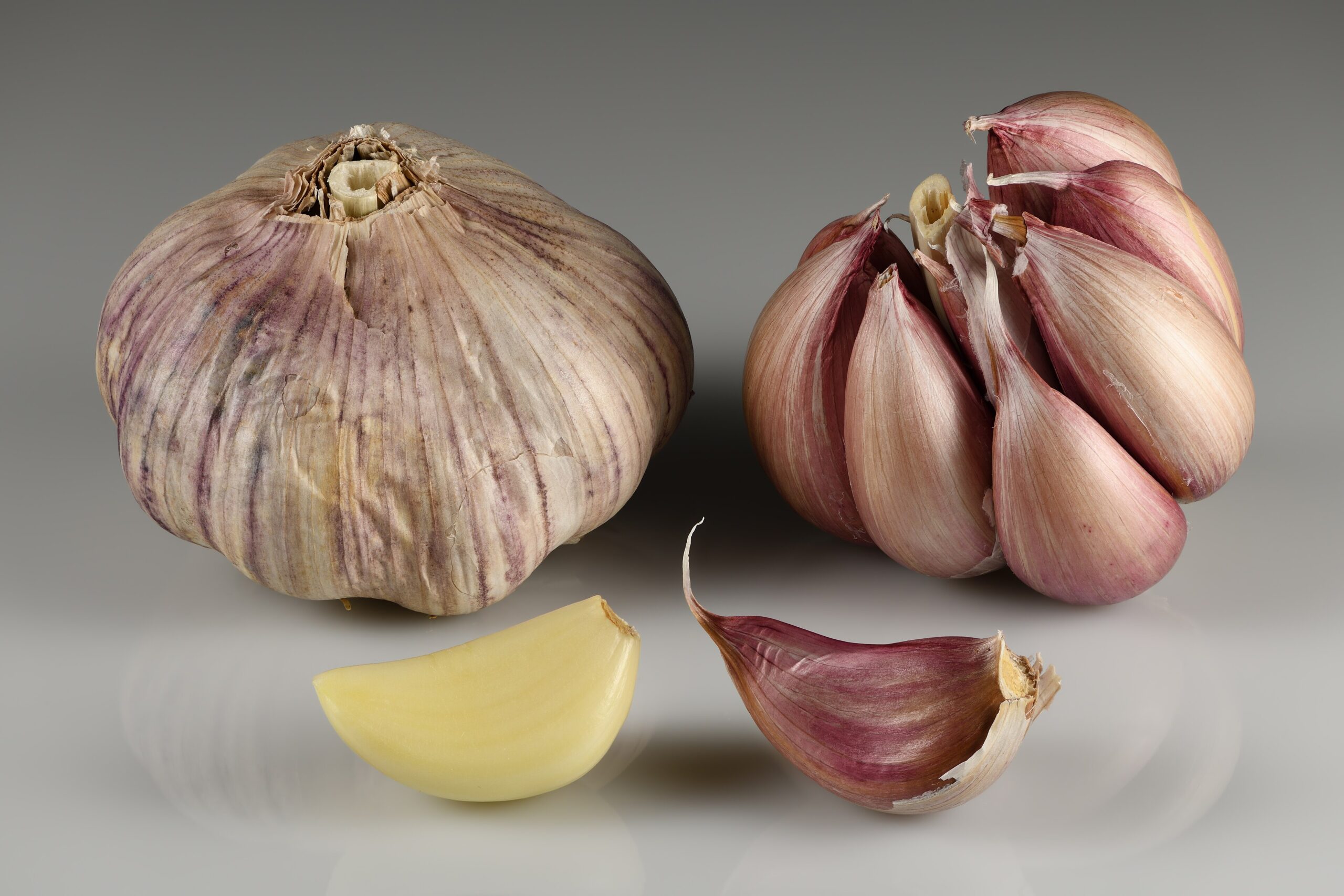
A single garlic clove, flat side down and pointed end up, is all it takes to start next summer’s bulb, and University of Vermont Extension has the measurements for getting it into the ground right. In a guide published Oct. 19, 2026, UVM Extension Master Gardener Amy Simone advised digging each hole at least 2 inches deep, spacing cloves 4 to 8 inches apart, and giving any bed that has grown garlic or another allium a two-year break before replanting.
A Nov. 4 report from KPVI, citing the extension, put the same numbers in front of gardeners with the message that garlic goes in the ground this month and pays off the following summer.
Two Inches Down: How Deep One Clove Goes
Simone’s instruction is to dig a hole at least 2 inches deep and set the clove in flat side down, pointy side up. Penn State Extension’s page on growing garlic for fall planting, last updated Sept. 9, 2026, gives the same minimum: cloves set at least two inches below the surface, root side down and upright.
The word “least” matters, because other extension guides run deeper. UVM’s own vegetable and berry factsheet recommends 3 to 4 inches deep to prevent winter injury and heaving, and an earlier UVM Master Gardener article suggests about 3 inches. Utah State University Extension lists 2 to 3 inches. In cold Northeast winters, the extra inch or two buys protection from frost pushing cloves back up.
Four to Eight Inches Apart: Spacing the Rows
Simone’s guide gives 4 to 8 inches between cloves so the bulbs can be dug up safely at harvest. Penn State’s page matches it, with four to eight inches between plants in either a single row or several.
Spacing depends partly on how the bed will be worked. UVM’s factsheet notes that rows are often 6 to 8 inches apart, with spacing driven mainly by the cultivation system, while Utah State suggests cloves 3 to 4 inches apart in rows 6 to 10 inches apart. The Master Gardener article describes one home method: 4 inches apart in rows about 8 inches apart for easier cultivation.
Why November Works: Timing and a 4-Inch Blanket
Simone recommends planting about three weeks before the ground freezes, which in the Northeast is usually mid-October to early November. Penn State uses the same rule. Utah State’s window runs from mid-September through early November, and UVM’s factsheet calls October the best month in most of the Northeast, since garlic needs about two months near 40 degrees Fahrenheit to form a bulb.
After planting, Simone says to cover the bed with 4 inches of straw or shredded leaves. Penn State recommends the same depth and adds that branches laid over the bed can hold mulch in place in windy spots. The factsheet from UVM cautions that in wet years heavy straw can worsen soil-borne disease, so it should be pulled back early enough for the soil to dry. The site has covered the same method in its guide to planting garlic about three weeks before the ground freezes under straw.
The Two-Year Break for Garlic and Other Alliums
The rotation rule is the least familiar of the three numbers. Simone’s guide says soil that previously grew garlic or other allium crops needs a two-year break before replanting. Penn State states it the same way: wait at least two years between garlic plantings in the same spot to let the soil recover.
The KPVI report applies the rule to saved cloves too, advising that they go into a bed that has not held garlic or any allium in the past two years. For gardeners with onions, leeks or shallots in the same beds, the allium family counts as one crop for rotation purposes.
Simone also lists site needs: loamy soil with a pH of 6.2 to 7.0, in full sun. UVM’s factsheet gives the same pH range and recommends working in compost or well-rotted manure first.
Choosing Cloves Worth Planting
Size matters at planting. Simone says to use the largest cloves, since they produce the largest bulbs, and Penn State adds that cloves should be separated from the bulb no more than a day before planting. Both advise buying from a reputable dealer or local grower rather than the supermarket, because grocery garlic may be treated to extend shelf life or be suited to warmer climates than Vermont’s.
Gardeners also choose between types. UVM’s Master Gardener article notes hardneck garlic has five to eight large cloves and produces scapes, while softneck has 12 or more smaller cloves and no scapes. Another site guide covers what else can go in the ground in November for warmer zones.
Get stories like this by email. Sign up for The Parent Diaries Letter.
This article was produced with AI assistance and edited for accuracy against the sources linked above.
Image: Ivar Leidus – CC BY-SA 4.0/Wikimedia Commons