Neighbors Accused a New Couple of Taking Part of Their Yard. Then the Property Survey Came Back.
The property survey came back with a plain answer: the line between the two houses sat about a foot and a half from the side of the accusing neighbors’ own house, and the new couple had not taken a single square foot of anyone’s yard. According to a TwistedSifter write-up published November 17, it was the neighbors who had built too close to the line.
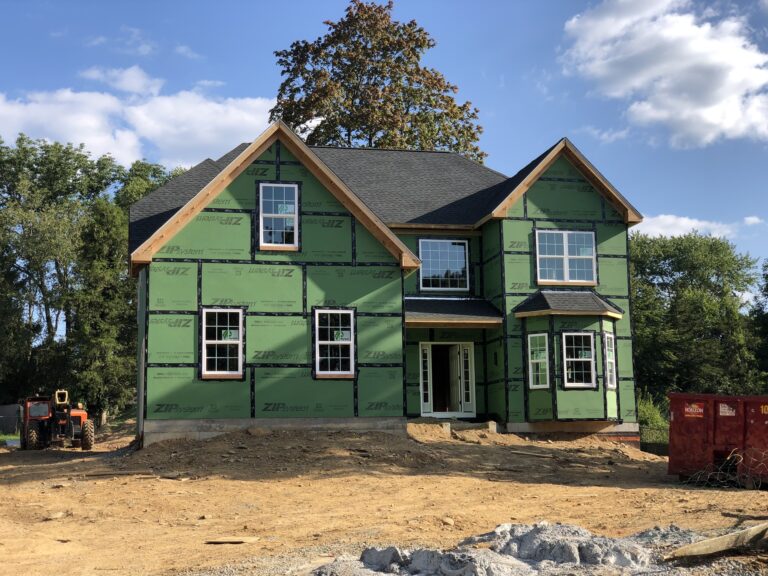
The story is the homeowner’s own telling, as TwistedSifter retold it. The neighbors, named in the account as Chris and Keith, had accused the couple of sodding part of their lawn. The narrator and her husband, Dan, a carpenter, had followed the stakes their builder left, and the survey proved those stakes right.
What the Neighbors Saw Over the Sod
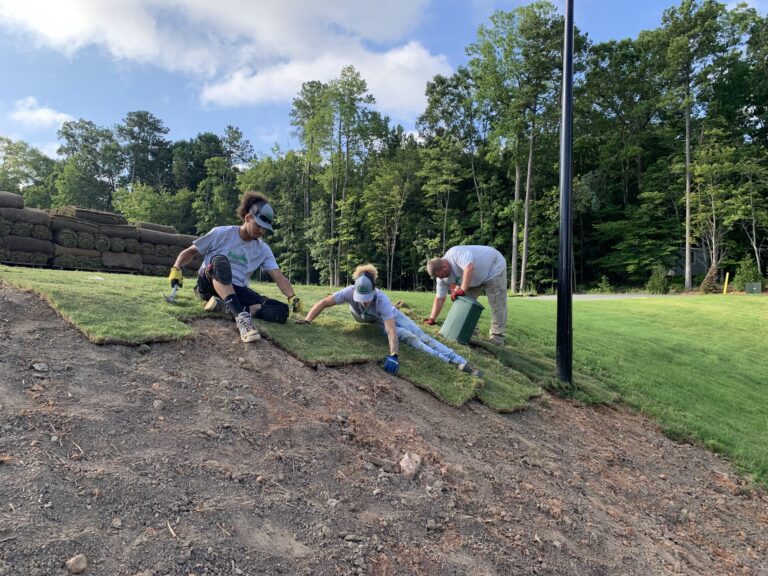
After moving into their new home, the couple had the yard leveled and sodded, with more work planned for the next spring. One night the narrator was out watering the fresh sod when she noticed Chris measuring the gap between the two houses.
Chris told her the couple had sodded part of the neighbors’ yard, according to the account. The narrator answered that they had simply followed the stakes the builder had set. Chris replied that the builders must have made a mistake, and the narrator described the insistence that the couple had taken part of the yard as rude.
The couple had assumed the line ran roughly halfway between the two houses. To end the argument for good, they agreed to pay for a new property survey.
A Foot and a Half From the Accusers’ Own Wall
The result flipped the accusation. Instead of running down the middle, the boundary sat about a foot and a half from the side of Chris and Keith’s house, the narrator wrote. That meant the neighbors’ house had been built very close to the edge of its own lot, and the strip the couple had sodded was theirs all along.
The narrator called it “an insane mistake for a professional.” Chris and Keith own a construction company, a detail TwistedSifter included in its retelling.
Whether a house that close to a line breaks local rules depends on the town, since setback requirements differ from place to place. The account does not say the neighbors were cited for it. What it does say is that the line was nowhere near where they had claimed.
A “Good Neighbour” Fence, Then a Second One Next to It
With the line settled, the couple offered to split the cost and the labor of a “good neighbour” fence, in any of four styles the neighbors could accept, the account says. Dan asked Keith again and again when he wanted to start. Keith kept making excuses.
Then Keith told Dan to stop bothering him, and Dan became furious, according to the narrator. He bought the materials himself and built the fence on his own. Dan had planned to set it halfway between the houses. After Keith’s brush-off, he put it just inside the couple’s own property line instead.
When Keith came over angry, Dan reminded him that Keith had been the one to request the survey and then left the fence waiting for months. The narrator said the finished fence looked “magnificent.”
Keith answered by building a fence of his own right beside theirs. By the narrator’s description it was poorly built, ugly and not one of the four approved styles. He was later forced to tear it down, according to the account.
The fence fight is the sort of dispute that keeps going long after the facts are settled. A decade-long fence feud that ended with a survey and a Missouri fence tear-out over a foot of land show how often a strip that narrow becomes the whole argument.
What a Boundary Survey Settles, and What It Does Not
Surveys exist for moments like this. The New York State Education Department’s consumer page on land surveying says a boundary survey can show whether a house sits within the property as the deed describes it, and whether one property encroaches on another. It also advises owners to make sure the line information comes from a survey done for them, not one made for a former owner.
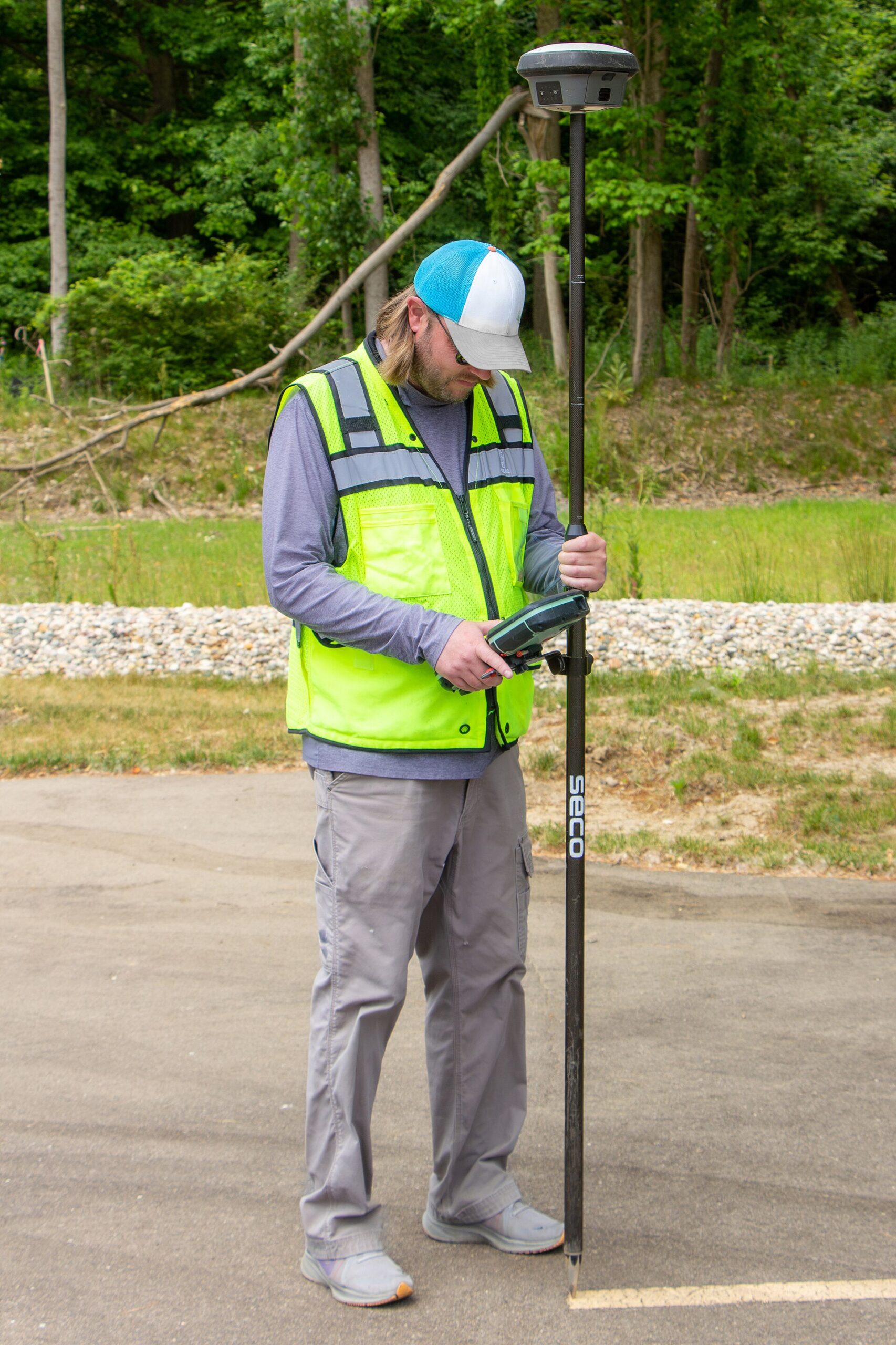
Denver’s survey FAQ explains that a land survey locates, describes, monuments and maps a parcel’s boundaries. A monument is the marker at a corner, such as an iron pin or a length of rebar. The city adds that a neighbor’s surveyor setting pins on someone’s land does not end the question, because the owner can hire another surveyor to verify the work. It also says to locate and verify the property corners before building a fence.
The Professional Land Surveyors of Oregon FAQ page notes that surveys can identify encroachments, where one owner’s structure crosses onto a neighbor’s land. It also says that only courts can settle ownership disputes, and that surveyors often speak with neighbors on the owner’s behalf.
A Texas Real Estate Research Center publication from Texas A&M on neighbors and property lines says the deed description generally controls and that “the line surveyed and described is the property line.” A fence does not define the line unless it was used as a survey monument, it adds, and a court may order removal of a structure or fence that crosses the line. Neighbors who agree on a boundary should put it in writing, the publication advises.
The builder’s stakes turned out to be correct, but a builder’s stake is not a survey, and the argument only ended once a new one was done. The survey put a number on the dispute: a foot and a half, measured from the accusers’ own wall.
Anyone planning a fence, a new lawn or a row of shrubs near a shared edge can follow a simple order of operations, with the corners confirmed first and the planting or building after. In this account the sod stayed where it was, the fence stayed on the couple’s side, and the only structure that had to come down was the one Keith built in response.
This article was produced with AI assistance and edited for accuracy against the sources linked above.
Image: SweetCanadianMullet – CC BY 4.0/Wikimedia Commons