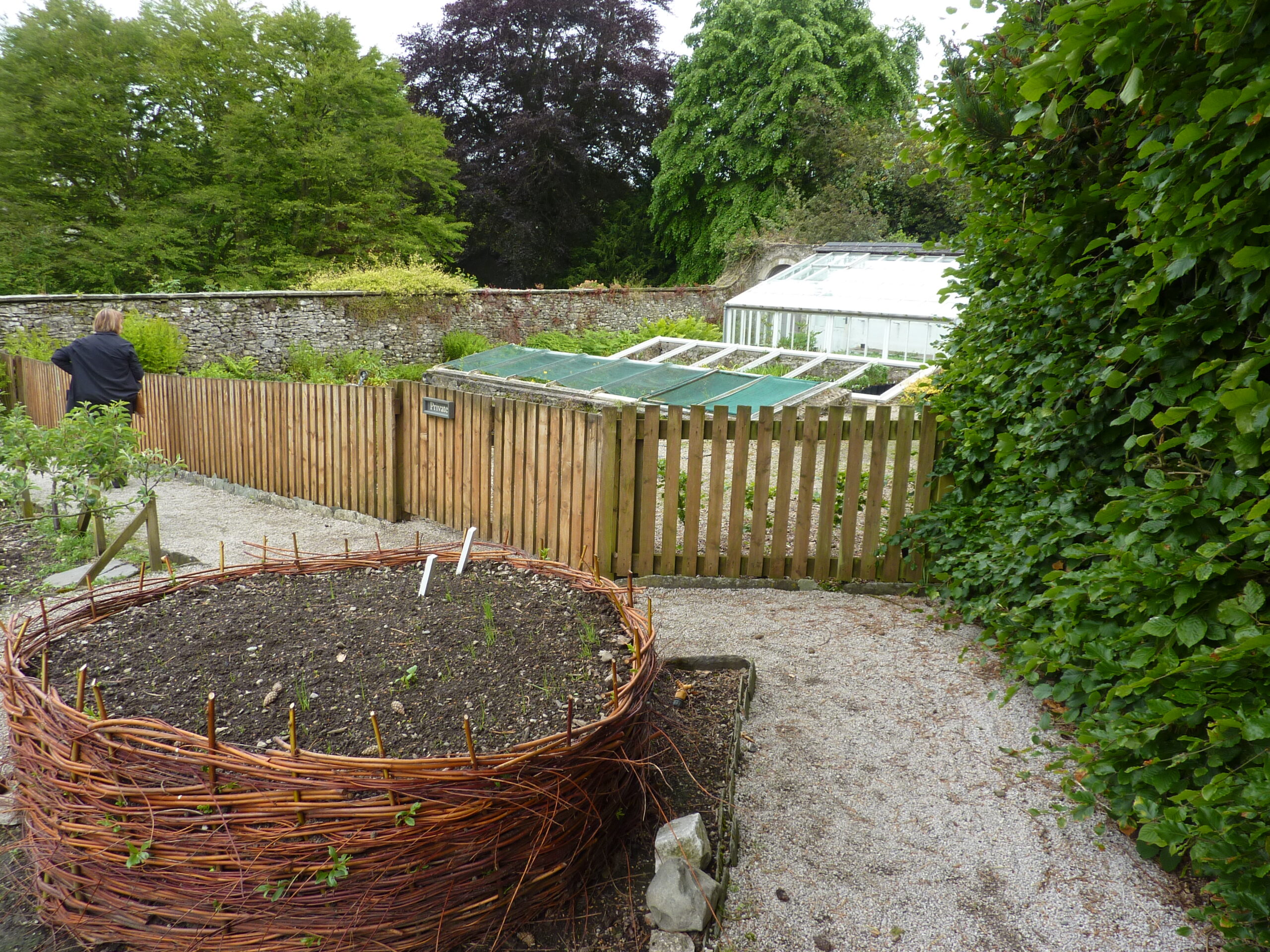
HGTV’s Raised-Bed Winter Checklist Starts With Clearing Dead Plants and Sealing Wood Frames Before the First Hard Freeze
Spent annuals, weeds and diseased plant material in a raised bed come out first on HGTV’s winter checklist, and the deadline is the first hard frost. The same list puts a fresh coat of sealant on wood frames before the first hard freeze, ahead of every other bed chore.
The guide, “How to Prep Raised Garden Beds for Winter,” was written by HGTV contributing writer Debbie Wolfe and updated Sept. 18, 2026. It runs through nine steps, and extension offices in North Carolina, California and Maryland back up most of them with their own specifics.
The two jobs HGTV puts on the clock
The HGTV checklist opens with clearing out spent plants and debris, and it names three targets: spent annuals, weeds and diseased material, all before the first hard frost.
Step two is the frame. Wood frames benefit from a fresh coat of sealant before the first hard freeze, according to the guide, while metal frames should be checked for rust and composite frames for cracks or loose joints.
North Carolina Cooperative Extension agent Matthew Clay gives a similar framing in a Nov. 18, 2025 guide for Wilkes County. His frame advice is to inspect bed frames and soil settling, and he says standing water for more than 24 hours indicates drainage issues. He does not give wood-specific guidance.
What goes into the soil before it freezes
HGTV’s steps three through five cover the system and the soil. The guide says to shut off the irrigation line at its origin, drain drip lines and soaker hoses, and disconnect timers. It recommends a soil test as the clearest read on what a bed needs, and says compost added before the first freeze has time to mature before spring planting.
Clay’s guide agrees on compost and names the materials: finished, weed-free compost, shredded leaves, or aged, not fresh, manure. He adds that a soil test is free for North Carolina residents from April 1 to Nov. 30 and costs $4 per sample from Dec. 1 to March 31, and that any needed lime should go on now because it needs months to adjust pH. Those dates are specific to his state’s lab.
Stephen Albert of Harvest to Table puts numbers on the compost in an Oct. 6, 2025 guide: 2 to 3 inches of well-aged compost spread over raised beds and lightly worked into the topsoil.
Cover crop or mulch, and how deep
For the surface, HGTV recommends a cover crop of winter rye, crimson clover or hairy vetch to suppress weeds and hold soil structure through winter. Gardeners who skip a cover crop can protect the soil with mulch, and shredded leaves are a free option, the guide says.
Clay lists the same crops plus Austrian winter peas and oats, a winter-kill option. His mulch depth is 3 to 6 inches for general winter protection and 3 to 4 inches over garlic, using straw rather than hay, pine needles, chopped leaves, or wood chips as a top-dressing only. Albert’s range is 2 to 4 inches of straw, shredded leaves or composted mulch.
University of California Master Gardeners of Napa County, in an Oct. 19, 2024 column, suggest legumes such as clover or beans for nutrients, deep-rooted mustards or radishes for soil structure and some grasses to reduce erosion. The column says to cut cover crops down a few weeks before spring planting and leave the debris on the surface as green manure and mulch.
What to do with diseased plants and the last few chores
Where the clearing ends up matters. Clay says diseased or insect-infested plants should be discarded rather than composted, while healthy residue can be chopped into the top few inches of soil. The California column says to put diseased trimmings in municipal compost bins, not home compost, because municipal composting gets hot enough to kill diseases and a home pile likely does not.
A University of Maryland Extension Master Gardener answered a Baltimore County reader’s question in an Oct. 3, 2025 reply. For old tomato plants, the answer says to remove them and fallen plant material, cut stems at or above the soil line and let the roots decompose over winter. It recommends cold-hardy crops, cover crops or organic mulch over beds, and says black plastic is only for solarizing areas with weed seeds because long-term plastic cover can harm beneficial soil organisms.
HGTV closes with storing tools in a dry space and sketching a spring planting layout with crop rotation in mind to reduce pest and disease carryover. Clay names the plant families to rotate: Solanaceae, brassicas, cucurbits and legumes. For tool care, the site has a separate piece on Nebraska Extension’s steps for putting a lawn mower away for winter.
Get stories like this by email. Sign up for The Parent Diaries Letter.
This article was produced with AI assistance and edited for accuracy against the sources linked above.
Image: Peter Barr – CC BY-SA 2.0/Wikimedia Commons