She Spent Years Turning Her Rental’s Empty Yard Into a Beautiful Garden, Until Her Landlord Suddenly Ordered Her to Tear It All Down
When a person first moved into the rental home, the outdoor space hardly looked like a garden at all. It was mostly rocks, landscaping fabric, trash, and leftover construction debris, with little reason to believe anything beautiful could come from it. Instead of ignoring the neglected patch, she slowly began cleaning it up and imagining what it could become.
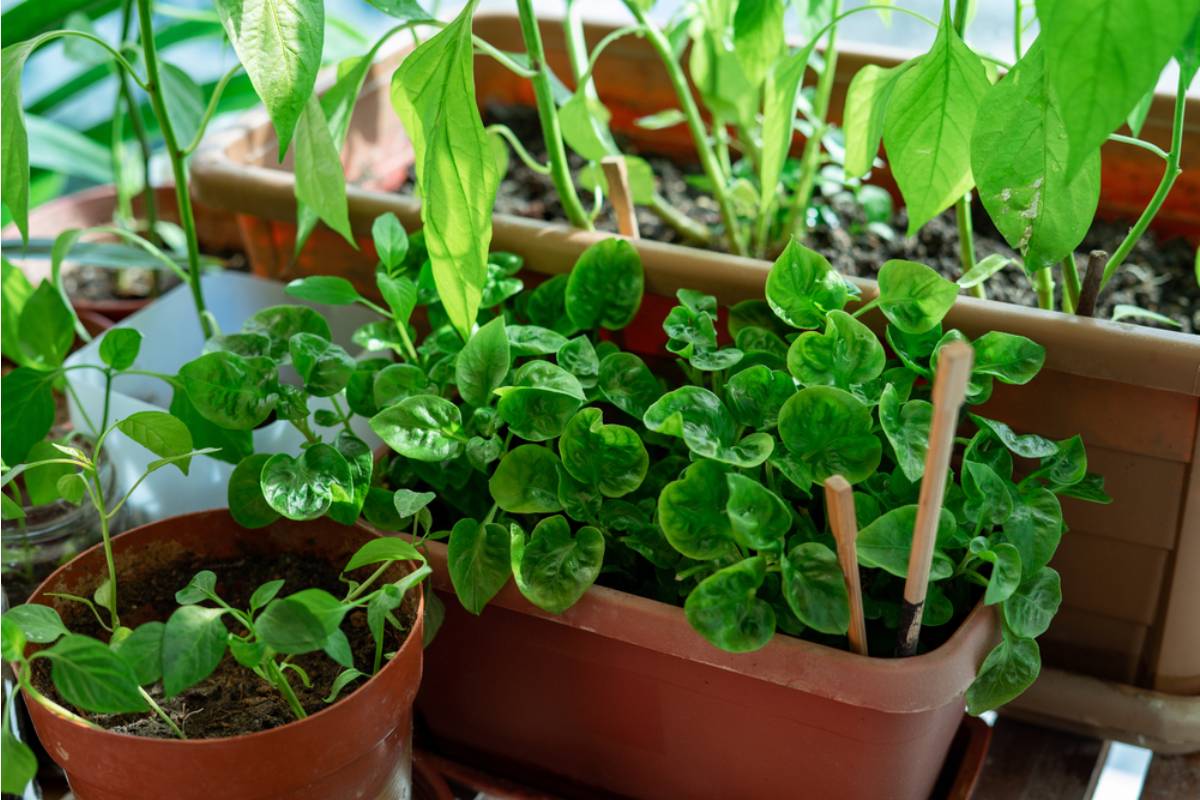
Over the next few years, that empty space became a remarkably productive container garden. Grow bags filled the area with vegetables, berries, herbs, flowers, and trees, while carefully maintained soil supported plants through changing weather. What started as a neglected corner of a rental property gradually became something that felt like a living extension of her home.
Years of Work Went Into Every Container
The garden wasn’t something she assembled over one weekend with a few bags of potting soil. She spent years adding compost, turning the soil, mulching with fallen leaves and flower heads, and learning how to keep the plants thriving in a tight urban space. Many of the plants had reached a mature size, making the garden feel less like a collection of containers and more like a miniature ecosystem.
She also developed a routine around the garden that became part of everyday life. She could stop after work and grab something fresh to eat, while her dogs could nibble wheatgrass and berries during their morning routine. The garden wasn’t simply something she looked at through a window because it had become woven into the rhythm of her days.
The Garden Became a Neighborhood Gathering Place
The biggest surprise was how much the garden changed her relationship with the people around her. The street was already filled with gardeners, and her outdoor project gave neighbors a natural reason to stop, talk, and exchange growing tips. She regularly shared strawberries, basil, oregano, blueberries, raspberries, potatoes, and other produce with people nearby.
That generosity turned the garden into something larger than a private hobby. Neighbors began recognizing the plants and the person caring for them, creating the kind of casual community that is difficult to manufacture intentionally. For her, that connection eventually became the part of the garden she would miss more than the plants themselves.
Then the Landlord Changed His Mind
After years of allowing the space to develop, the landlord suddenly decided he was tired of the garden’s appearance. He wanted the area returned to its former state of plain rocks and landscaping fabric. The transformation that had taken years suddenly became something he viewed as an inconvenience.
He also raised several other concerns about the garden. Water usage, water reaching the rocks, possible water intrusion, and even the home’s sump pump were brought into the conversation. The gardener quickly realized that arguing over every accusation could turn a painful situation into an even bigger battle.
The Hose Was Suddenly Off-Limits
One of the immediate changes was that she was told she could no longer use the hose for the garden. She was also instructed not to allow water onto the surrounding rocks. For a garden containing numerous mature plants, that restriction made continuing as before nearly impossible.
The timing made the situation especially frustrating because she had already developed methods for dealing with hot and dry weather. Her plants were described as drought tolerant, and she had been hand-watering them through sunny conditions. Years of careful gardening suddenly had to be dismantled because the space itself was no longer welcome.
The Landlord’s Complaints Added Another Layer
The landlord’s concerns weren’t limited to aesthetics. He also blamed the garden for problems involving water and mentioned having to reconfigure the sump pump. The gardener suspected that the situation could eventually become connected to arguments over the security deposit, particularly because weeds and a small flood after heavy rain were also being discussed.
Rather than risk a prolonged dispute over property she didn’t own, she decided not to fight for the right to keep the garden. She understood that the landlord ultimately controlled the property, even if she strongly disagreed with his decision. That acceptance didn’t make the loss any easier.
She Had Given the Property More Than Anyone Asked
There was another reason the situation stung so badly. During her time there, she had also shoveled snow and cleared leaves, sometimes doing significant work around the property without compensation or even much acknowledgment. After one major snowstorm, she had worked to keep the driveway and surrounding area clear, yet received little recognition for the effort.
The garden had been part of the same pattern. She had taken an ugly, neglected space and invested her own time, money, energy, and creativity into making it useful. Now the person who owned the property could simply decide that he preferred the emptiness she had originally found.
The Garden Sale Became Her Final Act of Care
Once the decision was made, she didn’t simply abandon everything. Instead, she organized a sale so other gardeners could give the plants a new home. Many plants, grow bags, soil, pots, fertilizers, and other supplies were offered for only a few dollars.
The goal was surprisingly generous considering the circumstances. She wanted the plants to go to people who would care for them instead of watching years of work disappear. In a strange way, the garden’s final days became another opportunity for her to connect with other gardeners.
Then the Neighbors Started Claiming Plants
Her neighbors were among the first people to react to the news. After offering condolences, several immediately started calling dibs on different plants and supplies. Their reaction showed that the garden had mattered to them far more than she may have realized.
She planned to walk around the neighborhood and leave plants on people’s doorsteps. The gesture was fitting because so much of the garden had already been shared with those same neighbors. Even as the garden disappeared from her property, pieces of it would continue growing just a few doors away.
Other Gardeners Refused to Let the Story End There
A response from a person suggested that she look for a community garden where the plants could be relocated. Another gardener described having experienced a similar landlord situation and explained how a community garden had helped accommodate the displaced plants. Members had even helped move smaller containers and provided equipment for the larger relocation.
That suggestion gave her something she hadn’t initially considered seriously. She discovered another community garden less than a mile from the house, close enough that she could potentially walk there. For someone who had been mourning the loss of gardening altogether, the possibility offered a small opening.
A Rooftop Offer Appeared From Somewhere Unexpected
Another person offered an even more unusual solution. They had access to a large empty rooftop where the landlord was willing to let them grow container plants. They offered to take some of the plants, pay for them, and even allow the original gardener to visit them later.
The offer showed just how quickly a gardening community could rally around someone else’s loss. Even when one property owner closed the door, other people were already trying to create new places for the plants to live. The gardener responded warmly, inviting the person to take as much as they could carry.
Then She Saw the Pollinators for One Last Time
One of the most emotional moments came when she stood outside and watched the garden near its end. Bees and other pollinators were moving gently among the flowers, while a monarch butterfly eventually landed on a carrot flower. For a moment, she was able to see the entire garden not as a collection of containers, but as a habitat she had created.
That realization hit harder than the landlord’s complaints. She had spent years transforming a neglected space into somewhere that supported plants, insects, neighbors, pets, and herself. She became overwhelmed by the beauty of what she had built and cried over the knowledge that the habitat was disappearing.
The Real Loss Wasn’t the Vegetables
At first glance, the obvious tragedy was the loss of the plants. Mature trees, herbs, vegetables, berries, soil, containers, and years of cultivation were all being scattered. But as she explained the situation, it became clear that losing the physical garden was only part of the heartbreak.
She was losing the ability to step outside and participate in her neighborhood through gardening. She could grow plants somewhere else, but a distant community plot wouldn’t provide the same spontaneous conversations, fresh berries on the way inside, or morning routines with her dogs. The garden had become a lifestyle rather than a hobby.
The Final Twist Was That the Garden Had Already Changed the Street
The landlord could remove the containers from the property, but he couldn’t erase what the garden had already done. Neighbors had tasted its produce, watched it grow, learned about plants, and developed relationships through it. By the time the garden was dismantled, its influence had already spread beyond the boundaries of the rental.
That may have been the strangest twist of the entire story. The person who wanted the property restored to plain rocks could reclaim the space, but the gardener’s work was no longer confined to that space. Plants were heading to neighbors, other gardeners were offering homes, and people who had never met her were encouraging her to keep growing.
She Was Leaving the Garden, But Not the Gardener Behind
In the end, she chose not to turn her home into a battlefield. She accepted that the property belonged to someone else and focused instead on finding good homes for what she had created. The decision was painful, but it also allowed her to leave the situation with her sense of purpose intact.
The garden itself might disappear from that particular patch of ground, yet the skills and knowledge behind it couldn’t be taken away. She had already proved that a space filled with rocks and debris could become something alive, generous, and deeply connected to a community. Wherever she eventually plants again, the next garden won’t really be starting from scratch because the gardener has already learned what she is capable of.