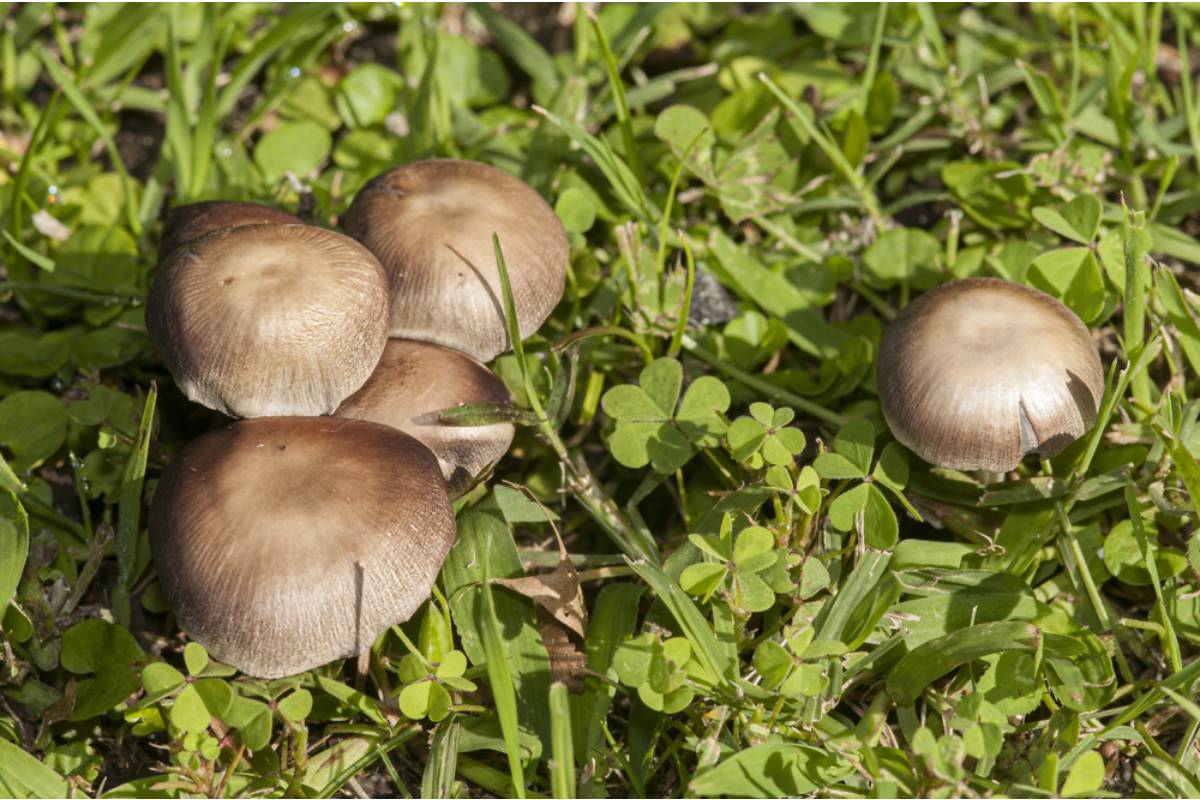
Some Home Gardeners Are Growing Mushrooms in Shaded Corners of Their Yards Where Nothing Else Will Grow, And the Harvests Are Changing How They Cook at Home
The backyard had a strip along the fence that never grew anything properly. Grass turned thin there, and even hardy herbs struggled to survive more than a few weeks. Most homeowners would ignore it, but she kept noticing how the soil stayed cool and damp even in dry spells. One afternoon, she mentioned it to a neighbor who casually said, “That’s perfect mushroom territory if you ever try it.” She laughed it off at first, not realizing that comment would stick with her.
A late night video that sparked curiosity
While scrolling through gardening videos, she came across people growing mushrooms in old buckets and shaded garden beds. They were not fancy setups, just simple logs, straw, and moisture control. What caught her attention was how many of them used neglected corners of their yards that nothing else could fix. One grower explained that mushrooms actually prefer failure zones in a garden. That idea felt strangely satisfying to her, like the yard had hidden potential.
The first small experiment under the deck
She ordered a basic oyster mushroom kit and placed it under the back deck where sunlight barely reached. The instructions were simple, but she kept checking it more than she expected, almost like a pet. After a few days, tiny white threads started spreading through the substrate. Her husband thought it looked like something had gone wrong rather than growing properly. She was not sure either, but she kept misting it as instructed.
The moment the first pins appeared
One morning, she lifted the cover and noticed small clusters forming where nothing had been before. The shape did not look like vegetables or herbs, but something entirely different and alive in its own way. She called her neighbor over, and he leaned in closely, surprised that it was actually working. “That means you did everything right,” he said, half impressed and half confused. For the first time, the empty corner felt like it had a purpose.
A second grow that turned more serious
After the first harvest, she decided to try a more advanced mushroom log using hardwood pieces. She soaked the logs and placed spawn plugs into drilled holes, following instructions more carefully than anything she had planted before. The setup took longer, but it felt more intentional, like building a system rather than just planting seeds. She placed them in the same shaded corner, trusting the conditions that had already worked once. Her family started paying more attention, wondering what would happen next.
A neighbor raises concern about moisture
A different neighbor eventually asked why that part of her yard always seemed damp and covered. He mentioned that excessive moisture near fences could attract pests or cause wood rot. She explained what she was doing, but he did not seem convinced that growing mushrooms was harmless. The conversation ended politely, but she noticed him looking over the fence more often afterward. It was the first time she realized not everyone saw the garden experiment the same way.
The unexpected flush that changed everything
Weeks later, after a stretch of warm weather, the logs produced a dense flush of mushrooms all at once. The clusters were larger than she expected, growing in tight groups along the drilled lines. She picked one carefully and brought it inside, unsure if she had even done it correctly. The texture and smell were nothing like store bought mushrooms, fresher and almost earthy in a sharper way. That evening, she cooked them with simple butter and garlic, and everything about the meal felt different.
Family reactions at the dinner table
Her husband was hesitant at first, asking if she was completely sure they were safe to eat. She laughed but also admitted she had double checked everything twice. After the first bite, he went quiet for a moment and then reached for more without saying anything. Even her teenage son, who usually avoided vegetables, asked what kind they were and if she could grow more. That reaction alone made the entire experiment feel worth it.
A visit from someone unexpected
A local gardening club member stopped by after hearing about her setup from a friend. He walked around the shaded corner slowly, taking notes and asking questions about moisture levels and log placement. He said most beginners ignore mushrooms because they think they are complicated, but her method was surprisingly clean. She showed him the logs and explained how she almost gave up after the first week of no visible growth. He nodded and said patience was the real ingredient most people miss.
The problem that appeared after success
Not everything stayed perfect after the first big harvest. One of the logs started developing a strange fuzzy growth that was not part of the mushrooms she recognized. She panicked slightly and pulled it away from the others, unsure if it was contamination or just natural decay. The gardening club member later explained that competing fungi sometimes appear when conditions are too favorable. It was a reminder that even success in the garden had limits and risks.
Learning to harvest without overdoing it
She realized quickly that picking mushrooms at the right time mattered more than just letting them grow. If she waited too long, they would dry out or release spores everywhere in the corner. She started checking the logs daily, learning subtle differences in shape and color that indicated readiness. It became a quiet routine, almost meditative compared to her earlier vegetable gardening. The shaded corner no longer felt neglected but carefully watched.
How cooking habits slowly began to shift
Over time, mushrooms started appearing in meals she would not have considered before. Pasta sauces became richer, breakfast dishes more earthy, and even simple soups felt more complete. She stopped buying packaged mushrooms entirely because nothing compared to what she was harvesting. Friends who visited began asking what she was doing differently in her cooking. She would just smile and say it started in the corner of the yard no one used.
The backyard corner that finally had a purpose
What used to be the least useful part of the yard became the most interesting. The logs blended into the shade, and moisture no longer felt like a problem but part of the system. She no longer saw it as wasted space but as a quiet production zone working in the background. Even when nothing was visibly growing, she knew something was happening underneath. The corner that once meant neglect now felt like one of the most productive parts of her home.