Some Home Gardeners Are Growing Their Own Elderflower Bushes for Homemade Syrups and Cordials, And the Harvest-to-Cost Ratio Is Turning Heads
When I planted my first elderflower bush, I expected it to become another pleasant addition to the backyard. I had read that people made homemade syrups and cordials from the blossoms, but I assumed it was more of a hobby than anything practical.
My neighbors smiled politely when they saw the small shrub and joked that I could have chosen something flashier. Three years later, those same neighbors were asking if I had extra cuttings to share. None of us expected one plant to spark so much interest throughout the neighborhood.
The First Blossoms Changed My Plans
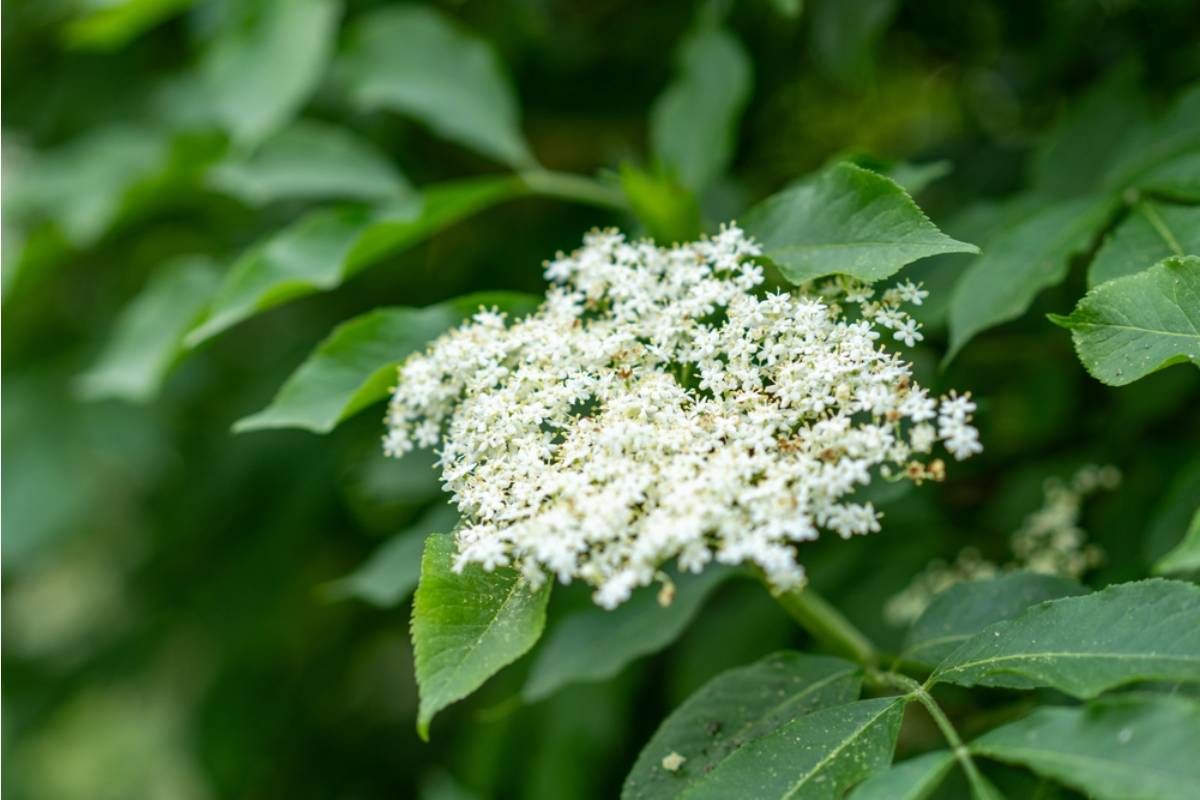
The bush exploded with creamy white flower clusters one spring, far more than I anticipated. I clipped only what I needed, leaving plenty behind for pollinators. My kitchen filled with the sweet floral scent as I experimented with my first batch of elderflower cordial. When friends sampled it during a backyard cookout, they immediately asked where I had bought it. Their surprise only grew when I explained it came from my own garden.
A Neighbor Asked to Trade Instead of Buy
A few days later, my neighbor Linda stopped by carrying a basket of fresh strawberries. She asked if I would trade a bottle of cordial for the berries because her grandchildren had loved the sample I gave her. I happily agreed, thinking it would be a one time exchange. Within weeks, other neighbors began offering homemade bread, fresh eggs, and vegetables in exchange for bottles. The elderflower bush quietly became the center of an unexpected barter system.
Curiosity Spread Down the Street
People walking their dogs began stopping outside my yard to ask about the unusual flowers. Some had never heard of elderflower before, while others remembered grandparents making drinks with it decades ago. I found myself giving the same explanation almost every evening. Eventually, I started inviting anyone interested to take a closer look rather than trying to describe everything from the sidewalk. The conversations turned casual curiosity into genuine enthusiasm.
A Garden Club Took Notice
One member of the local gardening club visited after hearing about the growing interest. She tasted the cordial and asked whether I would demonstrate the process at their next monthly meeting. I was nervous because I had never taught anything before. To my surprise, the room filled with gardeners eager to learn about harvesting blossoms without damaging the shrubs. Several attendees left planning to plant elderflower bushes in their own yards.
The Garden Center Could Not Keep Them in Stock
The local nursery owner called me a few weeks later with a laugh in his voice. He said customers kept requesting elderflower bushes after hearing about the gardening club presentation. Every shipment sold out within days, something he had never seen with that particular plant. He eventually created a waiting list because demand kept growing. My little backyard experiment had unintentionally started a neighborhood trend.
An Unexpected Visitor Raised Concerns
Not everyone believed the excitement was justified. A man visiting relatives nearby knocked on my door and insisted elderflowers were dangerous because he had confused them with a different plant. Instead of arguing, I invited him to compare identification guides with me. After carefully reviewing the differences, he admitted he had mistaken elderflower for another species. The conversation reminded everyone that proper plant identification mattered just as much as enthusiasm.
Harvest Day Drew a Crowd
That summer, several neighbors gathered in my backyard for an informal harvesting demonstration. We talked about picking only fully opened flower clusters and leaving enough behind to support healthy plant growth. Children helped carry baskets while adults shared recipes they wanted to try. Laughter replaced the quiet routine my garden had once known. What started as one bush had become a community event.
A Friendly Competition Emerged
By the following season, elderflower bushes had appeared in gardens throughout the neighborhood. People compared blossom sizes, shared pruning tips, and exchanged recipe ideas during weekend walks. Nobody cared about having the biggest harvest as much as discovering creative ways to use it. One family even combined elderflower syrup with sparkling water for neighborhood gatherings. Every household seemed to add its own twist.
An Unexpected Challenge Tested Everyone
Late one season, several newer gardeners worried because their bushes produced fewer flowers than expected. Instead of keeping successful techniques to ourselves, experienced growers visited each yard to help identify simple issues with spacing, pruning, or watering habits. The willingness to share knowledge prevented frustration from discouraging beginners. By the following year, nearly every bush produced healthy blooms. The neighborhood celebrated together rather than competing.
Local Businesses Started Asking Questions
A small bakery owner visited after tasting homemade elderflower syrup at a community picnic. She wondered whether local gardeners would be interested in supplying blossoms for seasonal recipes. Although nobody planned to turn the hobby into a business, the conversation highlighted how valuable the harvest had become. Gardeners discussed sustainable harvesting and agreed that personal enjoyment would always come before expanding production. The idea remained exciting without changing the spirit of the community.
The Real Value Went Beyond the Harvest
Looking back, the elderflower bush gave me far more than fragrant blossoms. It introduced me to neighbors I barely knew, inspired new friendships, and encouraged people to spend more time outdoors sharing ideas.
The syrups and cordials became a delicious bonus rather than the main attraction. Every blooming season now brings familiar faces through the garden gate, eager to swap recipes and stories. For a plant that began as a simple experiment, its return has been measured as much in community as in harvest.