Some Home Gardeners Are Putting Locks on Greenhouses, And Neighbors Say It Sends the Wrong Message About Community
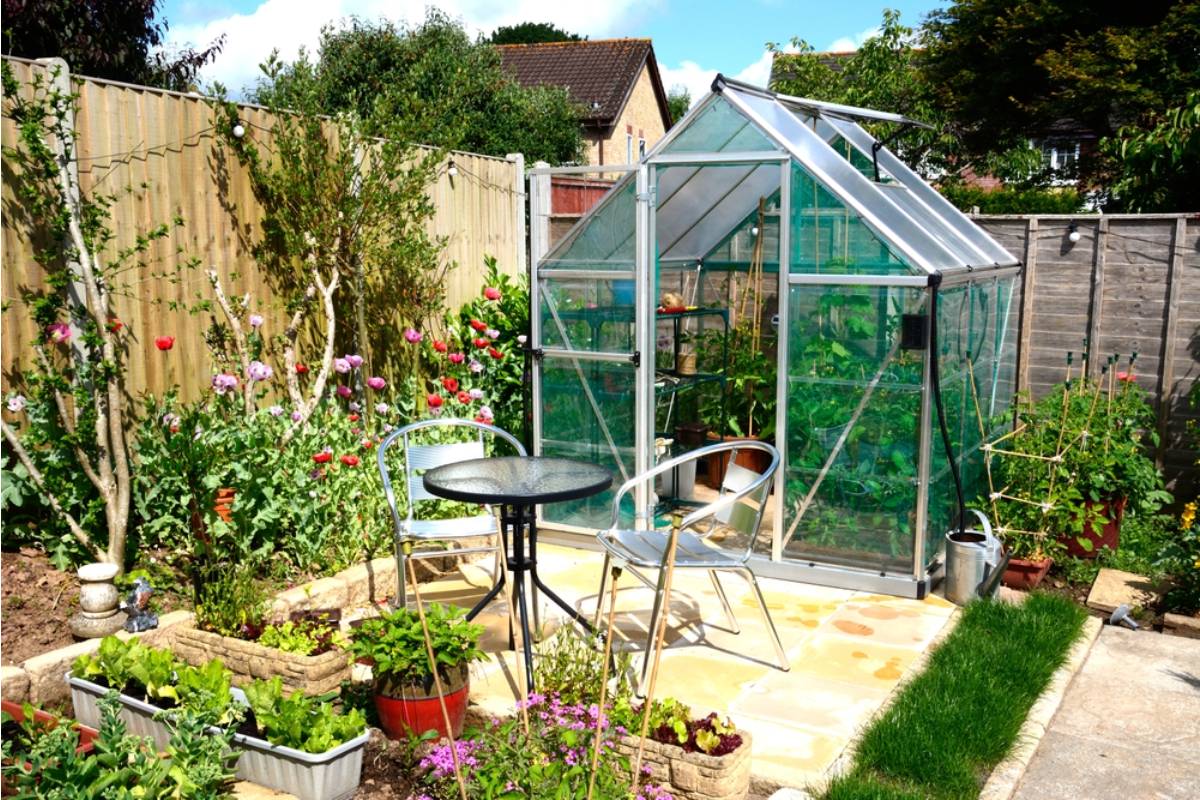
When Linda Parker installed a small greenhouse behind her home in suburban Michigan, she thought it would simply help her extend the growing season. She had no idea it would become the center of a neighborhood disagreement that slowly escalated into something much bigger than gardening.
What started as admiration for her thriving plants turned into frustration, rumors, and finally suspicion. By the time she added a lock to the greenhouse door, the situation had already shifted in a way she never intended. The neighborhood no longer felt like a community, it felt divided.
The Greenhouse That Everyone Notices
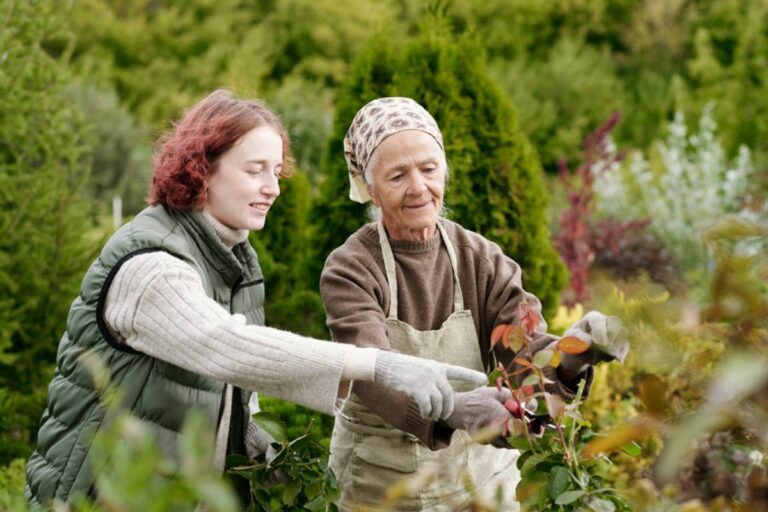
At first, the greenhouse was a source of curiosity. Neighbors walking their dogs often paused to look at the glass structure filled with lush greens and early seedlings. Linda would sometimes wave and explain what she was growing that season. People complimented her setup and asked for gardening tips. Everything felt friendly and open.
Small Requests Start to Add Up
As weeks passed, neighbors began asking if they could “just take a quick look inside.” Others asked if she would sell seedlings or share cuttings. Linda didn’t mind at first and occasionally let people step inside. But the visits became more frequent. What started as curiosity slowly turned into expectation.
A Missing Tray Sparks Concern
One morning, Linda noticed a tray of basil seedlings had been moved. A few plants were missing. She assumed she had misplaced them until she saw footprints near the back door. When she asked a neighbor about it, they casually admitted they had “taken a couple to try growing at home.” Linda was surprised they hadn’t asked.
Conversations Begin to Feel Pressured
After that incident, Linda started noticing subtle pressure in conversations. Neighbors would mention how “generous gardeners” usually shared more. Some even compared her greenhouse to a “community resource.” Linda felt uncomfortable but tried to stay polite. She began spending less time outside when people were around.
The First Hint of Frustration
Things escalated during a neighborhood block gathering. Someone joked that Linda’s greenhouse was the “best stocked shop on the street.” A few people laughed, but Linda didn’t. She explained she wasn’t running a supply center. The comment shifted the mood slightly, but no one took it seriously.
A Nighttime Visit Changes Everything
A few days later, Linda noticed movement near her greenhouse late in the evening. From her kitchen window, she saw someone trying to open the door. When she went outside, the person quickly walked away, claiming they were “just curious.” That moment made her realize curiosity was no longer harmless. It felt intrusive.
The Decision to Add a Lock
After discussing it with her family, Linda decided to install a lock on the greenhouse. It wasn’t meant to offend anyone—it was meant to protect her plants. She thought it would be a simple solution. Instead, it became a talking point across the neighborhood within hours. Some supported her decision, while others did not.
Neighbors React Unexpectedly
At first, reactions were subtle. People stopped waving as often. Conversations became shorter. One neighbor said it felt “less welcoming” now that the greenhouse was locked. Linda was confused because she hadn’t changed her friendliness—only access to her plants. The shift felt personal even though she hadn’t intended it that way.
A Heated Exchange at the Fence
One afternoon, a neighbor confronted Linda while she was watering her plants. They said locking the greenhouse sent the message that she didn’t trust the community. Linda replied that trust wasn’t the issue—boundaries were. The conversation grew tense quickly. Both walked away frustrated, unable to agree.
A Community Group Discussion Forms
The disagreement eventually made its way into the neighborhood online group. Some residents argued that gardening should be shared openly. Others defended Linda’s right to secure her property. The discussion grew longer and more divided than anyone expected. What began as a gardening issue turned into a debate about community values.
Linda Explains Her Perspective
Linda posted a message explaining her decision. She said she enjoyed sharing advice but not losing plants without permission. She emphasized that her greenhouse was not public space. Many people understood her point, but others felt disappointed. The conversation softened slightly but did not fully resolve.
A Neighbor Offers a Compromise
One of the more experienced gardeners in the neighborhood suggested a compromise. Instead of unrestricted access, Linda could host scheduled open-garden hours. This would allow sharing without confusion or uninvited visits. Linda agreed to consider it. It was the first solution that felt balanced rather than defensive.
The First Open-Garden Day
A week later, Linda held a small open-garden session. Neighbors came by at set times and asked questions. She guided them through her greenhouse and explained her growing methods. Because expectations were clear, the atmosphere felt calmer. For the first time in weeks, she felt comfortable sharing again.
Rebuilding Trust Slowly
Over time, the tension in the neighborhood eased. People began respecting the boundaries around her greenhouse. In return, Linda felt more willing to share seeds and advice. The lock remained on the door, but it no longer symbolized conflict. It simply marked the space as her own.
A New Understanding of Community
By the end of the season, the neighborhood had reached a new rhythm. People still admired Linda’s greenhouse, but they no longer treated it as an open invitation. Linda realized that community didn’t mean unlimited access, it meant mutual respect. And while the lock had once been controversial, it ultimately helped redefine how everyone related to the space and to each other.