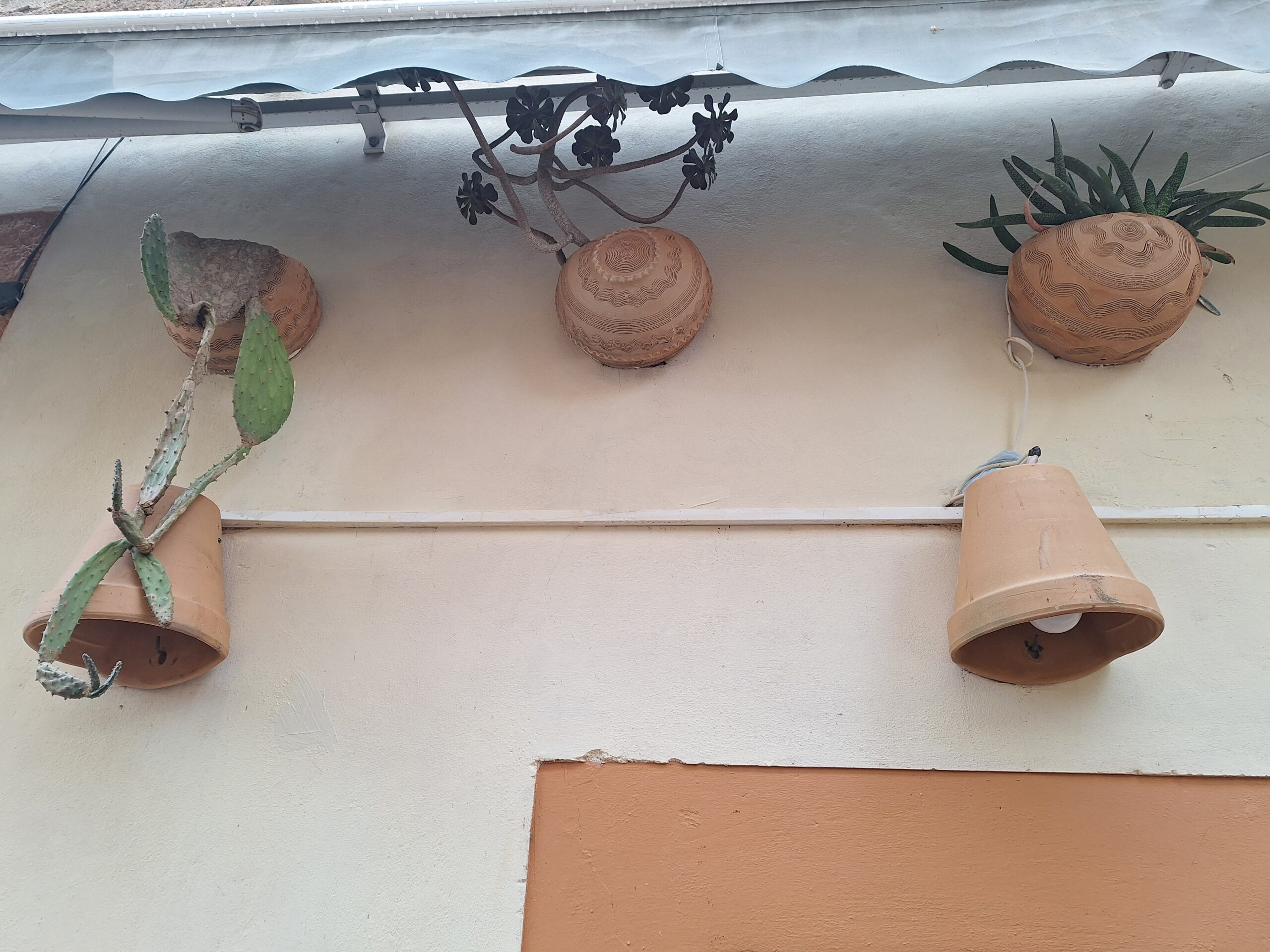
Empty Flowerpots Should Be Washed, Dried and Stored Under Cover or Upside Down on Pot Feet Over Winter, HGTV’s Lynn Coulter Says
An empty flowerpot left outside with a few inches of soil in the bottom is a small trap. Water soaks into that soil, freezes, and can crack the pot. HGTV’s Lynn Coulter says empty pots should be washed and dried, with no soil left inside, and then stored under cover or turned upside down on pot feet for the winter.
Her advice comes from HGTV’s guide to protecting outdoor plants and pots before deep winter hits, which includes a separate section on pots with nothing planted in them.
The Five Steps for an Empty Pot
Coulter starts with cleaning. Plants come out, the pots are washed, and they are dried thoroughly. No soil stays inside, because soil holds moisture that can freeze.
Storage comes next. The best place is an unheated indoor space such as a shed, garage or basement. A pot that has to stay outside needs drainage holes, and it goes upside down in a sheltered spot, such as a covered deck or against a windbreak wall or shed.
Pots can also be stacked or clustered, since grouped pots hold in warmth, according to the guide. Cardboard or burlap goes between them to prevent scratches and chips, and the drainage holes stay unblocked.
The fourth step is lifting the pots off the ground. Coulter lists a wooden pallet, pot feet, small wooden blocks, rocks and plant stands, all of which improve airflow and drainage and keep a pot from freezing to the ground. The last step is a cover of frost blankets, burlap, bubble wrap, old blankets or heavy-duty plastic. Breathable materials are preferred because they discourage moisture buildup, and the covers are secured with bricks, rocks, garden stakes or landscape staples.
Why Clay and Ceramic Need the Most Care
The guide lists winter risks for containers, and pots that absorb water can freeze and crack. It adds notes by material. Resin and fiberglass are durable, frost-resistant, non-porous and crack-resistant. High-quality plastic resists frost better than clay but can become brittle and fade in sun. Wood gets a preservative, a water-resistant cover and some elevation.
Porous materials are the concern. Coulter says concrete, terracotta and clay should get a waterproof sealant before they are wrapped or covered. Ceramic should go upside down, raised, and wrapped or covered with waterproof material; frostproof glazes usually hold up, but glazes and paints can crack or flake, and sudden temperature changes, called thermal shock, can break ceramics, especially those with standard glaze. Metal conducts cold quickly, so it is sealed with a waterproof sealant or anti-rust paint, allowed to dry, and then covered.
A related post covers why unglazed terra-cotta pots crack when soaked clay freezes. The same pattern applies whether the pot is planted or empty.
The Almanac Says to Bring Clay Indoors and Not to Stack
The Old Farmer’s Almanac gives a similar checklist for the end of the season. In its fall vegetable garden cleanup list, dated November 9, 2026, Robin Sweetser says to bring ceramic and clay pots inside, or they may crack in freezing temperatures. She suggests dumping the soil on the garden bed and sterilizing the pots with a diluted bleach solution.
On one point the two sources differ. Coulter’s guide treats stacking as an option as long as cardboard or burlap goes between the pots, while Sweetser’s list advises against stacking because the pots are hard to separate in spring. Gardeners with a lot of pots may want to weigh the space saved against the separating work.
What the Cold-Hard-Facts Guide Adds About Feet and Saucers
HGTV’s older feature on protecting potted plants, by Susan Morgan, quotes Ohio State’s Dr. Hannah Mathers and Ray Mims of the Denver Botanic Gardens, and its advice is aimed at planted pots. Several points carry over to empty ones. It says to avoid saucers, since collected water can freeze, and to raise pots on feet for drainage. It also recommends setting pots on soil rather than pavement, because pavement heats during the day and freezes at night, causing freeze-thaw damage.
Porous terra cotta and ceramic can crack, the article says, and Mims coats the interior of his terra-cotta pots with pool paint to block moisture. It suggests pots at least 1 inch thick for plants that stay out all winter.
Clemson Extension’s guide to moving houseplants indoors and outdoors gives a simple way to build the lift. It says to set containers on pot feet or four small bricks or concrete blocks, keeping the drainage holes unblocked, and never to place a container in a saucer that will hold water.
Covers, Wind and the Last Check Before a Freeze
Coulter says breathable covers are preferred for pots, and HGTV’s separate roundup of the best plant covers, written by Stacy Tornio and dated October 26, 2026, backs that up in its FAQ: breathable covers can be watered lightly through, plastic ones should be lifted or removed before watering, and covers should be shaken clean, dried completely and stored somewhere cool and dry.
Pots that still hold plants are a different job. A related post on small pots of evergreens kept against a wall under mulch covers HGTV’s advice for those.
For empty pots, the order is short: empty the soil, wash and dry the pot, move it under cover if there is room, and otherwise turn it upside down on feet in a sheltered spot with a breathable cover held down against the wind.
This article was produced with AI assistance and edited for accuracy against the sources linked above.
Image: Steffen Mokosch – CC BY-SA 4.0/Wikimedia Commons