Every One of the 20,000 Christmas Trees an English Farm Couple Planted Two Years Ago Has Died After a Frost and a Drought
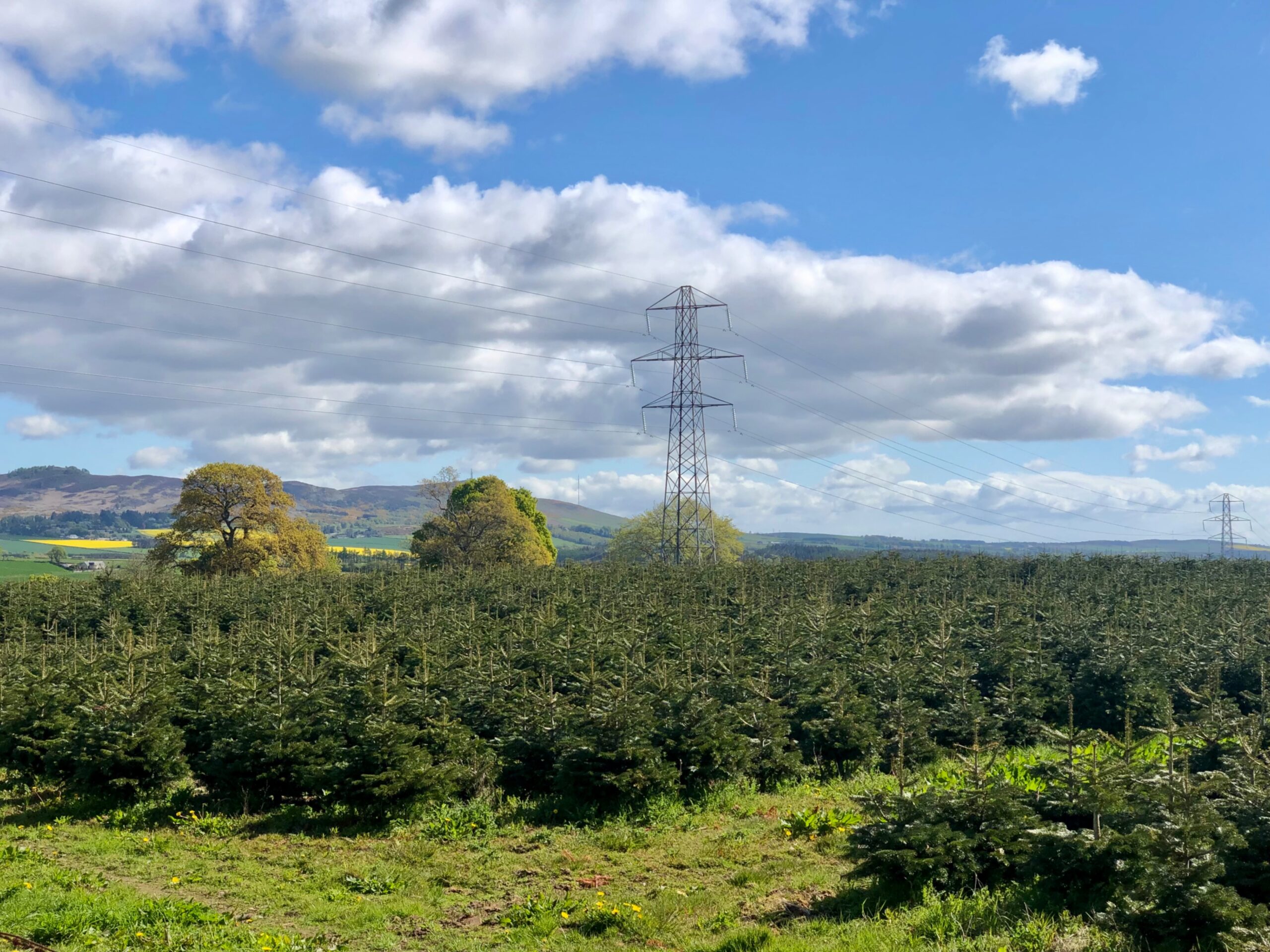
Ruth and James Wallis planted 20,000 Christmas trees at Sutton Hall Farm near Lewes, East Sussex, two years ago, and the couple say every one has died. A late frost in May and a long, hot, dry summer finished off the young trees, SWNS reported on Nov. 9.
James Wallis puts the losses from this year’s weather at between £60,000 and £80,000. The couple, mostly dairy farmers before they began growing Christmas trees in 2017, say the damage will be felt for years.
A May frost, then a summer with no rain
The frost came first. According to SWNS, a late frost in May killed all the new growth on the farm’s trees. Intense heatwaves and what the couple called extreme drought followed.
They tried fertilizer, but without rain the trees could not take it up. The farm has no irrigation licence, so watering the trees was not an option.
The weather was not local. The Met Office said summer 2026 was provisionally the hottest on record for the UK, with a mean temperature of 16.5C. England had its driest July on record. The Met Office also reported a peak of 38.2C at Hartpury College on Aug. 13, and its blog counted nine days above 35C, almost double the 2020 record.
Met Office climate scientist Dr James Pope said the summer “will also be remembered for how dry it has been, particularly in the south in July.” East Sussex sits in that south.
Where the £60,000 to £80,000 comes from
Young trees at the farm cost £1.50 each, SWNS reported, so the 20,000 that died represent £30,000 in planting alone. Ruth Wallis, 53, said the planting cost “a lot of money” to put in the ground and nurture for two years.
The frost also changed what the older trees can sell for. With the new growth killed, they can only be sold at standard grade rather than premium, which takes £15 off each tree. Trees due to be harvested this year came in 30 percent below expectations, according to the report.
Not everything went wrong. The farm made a lot of hay over the summer, which helped carry it through.
Why the loss will last a decade
Christmas trees take about ten years to mature, SWNS said, so a missing planting will show up as a hole in the harvest about a decade from now. “It is going to make for a very gappy harvest going forward,” Ruth Wallis said, adding that it will have a major impact on the farm’s Christmas tree income.
Other growers saw losses too. Oliver Combe of York Christmas Trees lost about 2,000 of 15,000 newly planted trees after little proper rain from Easter, the Beaver reported, and James Wallis told the BBC the financial impact was significant. Russell Parkins, chair of the British Christmas Tree Growers Association, said there are enough trees for this year, but that keeping them in good condition has become a challenge.
That fits how the trade works. A UK Christmas tree statistics page says UK trees take 4 to 15 years to reach a typical 6 to 7 feet, about 7 years on average, and that growers plant one to three seedlings for every tree they harvest. A planting that fails two years in takes that cycle back to the start, and the couple have already paid for the seedlings and two years of care.
What the couple plan next
The Wallises plan to keep investing in Christmas trees. They are looking at water storage so the farm can use water more efficiently, and Ruth Wallis wants the government to offer grant funding to farmers for it.
She also explained why the farm did not simply water the trees. The couple believe water is “too precious a resource to put on what is a luxury item rather than a food source,” she said.
This article was produced with AI assistance and edited for accuracy against the sources linked above.
Image: Richard Webb – CC BY-SA 2.0/Wikimedia Commons