The One Thing Most Gardeners Do in Spring That Experienced Growers Say Sets the Whole Season Back by Weeks
My first spring as a serious gardener was filled with excitement and impatience. The moment the last patches of winter disappeared, I rushed outside convinced that every day I waited meant losing valuable growing time.
Garden centers were packed with colorful plants, neighbors were already filling carts with flowers, and I felt like I was falling behind. I wanted the biggest harvest possible, so I planted almost everything as soon as I got home. Looking back after years of gardening, I realized that one decision quietly delayed my entire season instead of giving it a head start.
The Garden Center Made Waiting Feel Impossible
Walking through rows of blooming annuals and healthy vegetable starts made self control almost impossible. Every display seemed to suggest spring had fully arrived. Employees were busy helping customers load carts overflowing with tomatoes, peppers, and hanging baskets. I convinced myself that if everyone else was planting, I should be too. That confidence disappeared within the following week.
The Soil Told a Different Story
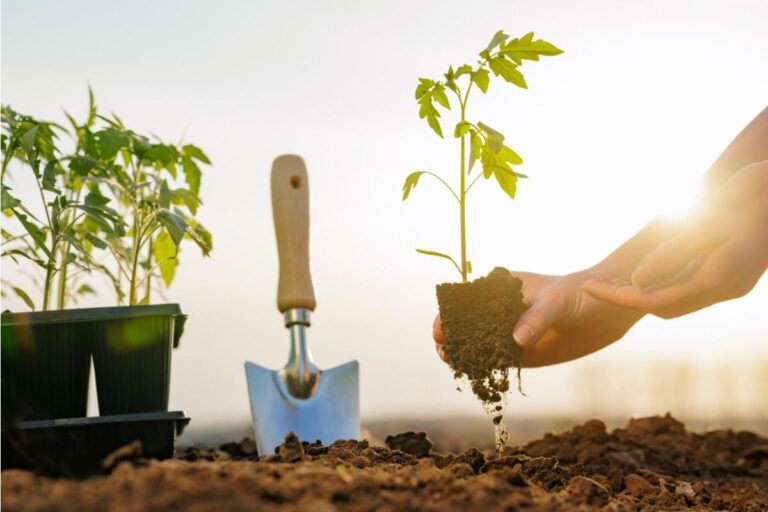
As I dug the first planting holes, I noticed the ground still felt cold and heavy. Water lingered in the bottom of each hole longer than I expected. Instead of seeing those signs as warnings, I rushed to finish before the weekend ended. The plants went into the ground exactly as planned. Unfortunately, the garden was not nearly as ready as I was.
Growth Slowed Almost Immediately
For days, nothing seemed to happen. The tomato plants stood exactly where I had planted them without producing noticeable new leaves. My peppers looked healthy enough but refused to grow. I watered carefully, checked for pests, and added fertilizer, assuming something else was wrong. The real problem had started before the first shovel touched the soil.
An Experienced Neighbor Asked One Simple Question
My next door neighbor had been gardening for decades and noticed me staring at the motionless plants. Instead of offering complicated advice, he asked whether I had checked the soil temperature before planting. I admitted I had not even considered doing that. He smiled and explained that warm season crops often spend weeks struggling in cold ground instead of growing. That conversation completely changed the way I viewed spring planting.
The Plants Focused on Survival Instead of Growth
Over the next two weeks, I watched neighboring gardens that had been planted later quickly catch up to mine. Their vegetables looked fuller, greener, and more vigorous despite spending less time in the ground. Mine remained alive but showed very little progress. It finally became clear that simply planting earlier did not guarantee an earlier harvest. The plants had spent valuable time recovering instead of thriving.
Replacing One Plant Revealed the Difference
One tomato eventually declined beyond recovery, so I replaced it with a fresh seedling from the garden center. Surprisingly, the new plant soon matched the size of the older ones that had been sitting in the cold soil for weeks. Within a short time, it actually surpassed them. Watching that happen made the lesson impossible to ignore. Timing had mattered far more than I expected.
The Flower Beds Told the Same Story
My impatience affected more than vegetables. Several annual flowers struggled after a stretch of chilly nights while identical plants in a friend’s garden flourished because she had waited a little longer. Her flower beds filled out quickly while mine spent weeks recovering. I had assumed extra time in the ground would always produce bigger plants. Instead, the early planting only prolonged the adjustment period.
A Garden Club Demonstration Changed My Perspective
Later that spring, I attended a meeting at the local gardening club where members compared early and properly timed plantings. They passed around healthy root systems from vigorous plants alongside roots from seedlings that had been stressed by cold soil. The difference was striking even to beginners. Experienced growers explained that patience often creates stronger roots before visible growth appears above ground. That demonstration stayed with me long after the meeting ended.
The Calendar Was Not the Best Guide
For years, I had treated the calendar as though it determined when every crop belonged in the ground. More experienced gardeners paid closer attention to soil conditions, nighttime temperatures, and the long term forecast instead. They reminded me that spring behaves differently every year. One season may warm quickly while another lingers much longer. The plants respond to the environment rather than the date written on a calendar.
My Second Spring Felt Completely Different
The following year, I resisted the urge to plant at the first opportunity. I tested the soil, watched nighttime temperatures, and prepared the beds without rushing the seedlings outside. It felt strange waiting while neighbors hurried to finish their planting. When the conditions finally improved, every vegetable established itself quickly. The difference was obvious within the first couple of weeks.
Friends Thought I Was Running Late
Several friends visited before I had planted everything and jokingly asked if I had gotten a late start. I smiled and explained that I was waiting for the garden instead of forcing the garden to match my schedule. A month later, those same friends were surprised by how quickly the plants caught up. Some even admitted their earlier plantings had struggled through the cooler weeks. Waiting no longer felt like losing time.
The Harvest Proved the Lesson
By late summer, the garden rewarded patience with healthier plants and a longer harvest than I had expected. Tomatoes ripened steadily, peppers stayed productive, and the flowers filled every border with color. I finally understood why experienced gardeners often seemed so calm during the excitement of early spring. They knew that the season is not won by planting first. It is won by planting when the garden is truly ready to grow.