Vermont Lawns Can’t Get Fertilizer Again Until April 1, and Knowingly Breaking the State Rule Can Cost Up to $500 per Violation
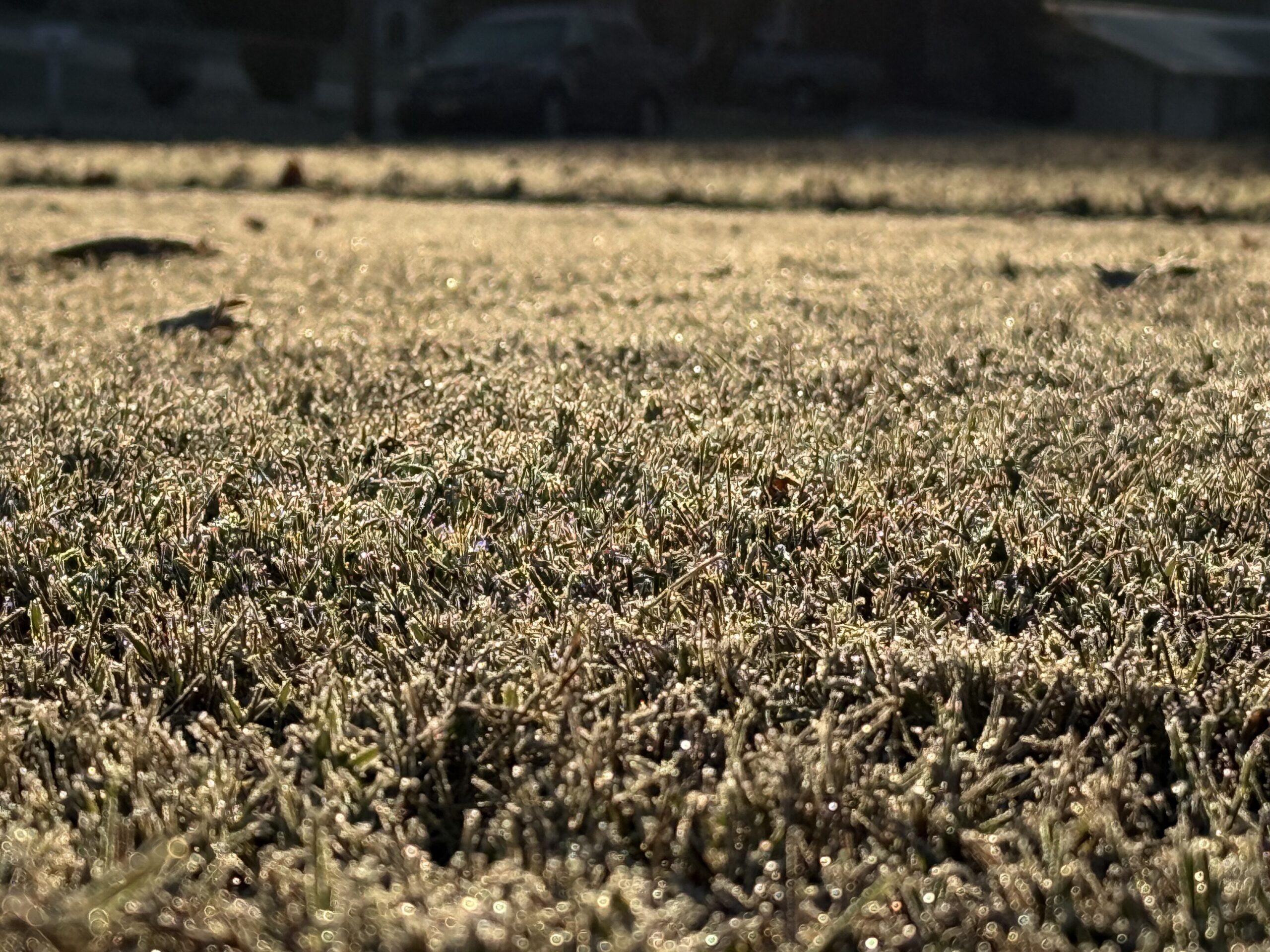
Vermont’s lawn fertilizer season closed on Oct. 15, and under state law it does not open again until April 1. Anyone who spreads fertilizer on a Vermont lawn in the months between, or on frozen ground at any time, is breaking a rule that carries a civil penalty of up to $500 per violation for knowing, intentional violations.
The rule is written into Title 10, Section 1266b of the Vermont Statutes, which says fertilizer may not be applied to turf “before April 1 or after October 15 in any calendar year or at any time when the ground is frozen.” It applies to home lawns, not just to commercial properties.
The calendar, the ground and the water
Vermont’s window is short. Lawn feeding is allowed only from April 1 through Oct. 15, a span that University of Vermont Extension’s lawn fertility guide, written by Extension Professor Sid Bosworth, spells out plainly for homeowners.
The date range is only one of three limits in the law. Fertilizer also cannot go on turf at any time when the ground is frozen, even inside the allowed months. And it cannot go on turf within 25 feet of a water of the state.
The law also covers what happens when fertilizer misses the grass. It may not be applied to impervious surfaces, and any that lands on a driveway or sidewalk has to be “immediately collected” and put back in a container, according to the statute. Agricultural activities under the state’s required agricultural practices are excluded from that part.
Phosphorus, the reason the law exists
The law was aimed at one nutrient in particular. When it took effect at the start of 2012, the Addison Independent reported that its purpose was to cut the phosphorus washing into Lake Champlain, where it feeds toxic blue-green algae blooms. Rep. Kate Webb, a Chittenden County Democrat, introduced the bill, which began in the House Fish, Wildlife and Water Resources Committee.
Under the statute, phosphorus fertilizer cannot be applied to turf at all unless one of two exceptions applies. The first is a soil test, taken no more than 18 months before the application, showing the lawn is short on phosphorus. The second is fertilizer labeled as starter fertilizer for grass being established in its first growing season, whether from seed or sod.
The Legislature’s summary of Act 37 puts the line at a phosphate content above 0.67% by weight. It also requires stores that sell phosphorus fertilizer to display it separately from phosphorus-free products and to post a sign warning about phosphorus and water quality.
That shift was not small for some buyers. Lawn & Landscape reported that standard 10-10-10 fertilizer, which contains 10% phosphorus, could no longer be sold for lawn use. Brad Lawes, owner of Lawes Agricultural Service, said at the time that 95% of the stores his company sold fertilizer to were “unaware of this law.”
The law did not come out of nowhere. Lawn & Landscape reported that it followed a campaign by Lake Champlain conservation groups to keep phosphorus off lawns, which had urged homeowners to use phosphorus only when a soil test showed the lawn needed it. One shopper, Gene Nolette, found out about the change when he tried to buy 10-10-10 for his lawn and could not.
Who enforces it and what it costs
The penalty section is short. A person who “knowingly and intentionally” violates the law faces a civil penalty of not more than $500 per violation, and cases are handled through Vermont’s Judicial Bureau. Either the Agency of Agriculture, Food and Markets or the Agency of Natural Resources can bring the action, according to the statute.
Golf courses are treated differently. They are left out of the law’s definition of turf, but the Act 37 summary says they must submit a nutrient management plan to the Agency of Agriculture, Food and Markets that keeps fertilizer at site-specific rates. Agricultural land is not covered.
When the law passed, not everyone thought it would fix the lake on its own. Louis Porter of the Conservation Law Foundation told the Addison Independent, “It’s not the end-all be-all solution,” describing its effect as important but not huge.
What UVM says to do instead this time of year
UVM Extension’s guidance points to an earlier window anyway. For people who fertilize once a year, the guide recommends early autumn, around Labor Day, when nitrogen helps cool-season grasses tiller and thicken.
Bosworth’s guide also warns against feeding too late. “Avoid applying fertilizers or compost late in the fall,” it says, because of the risk of nitrate leaching, and its best-practice list says nitrogen should go down no later than Sept. 30. Compost, if used, should be a thin layer of no more than a quarter inch a year, usually in early to mid fall and often with core aeration.
On phosphorus, the guide matches the law: established lawns need a soil test recommendation, taken within 18 months, before phosphorus is applied. Without one, or if the test shows no need, only a zero-phosphorus fertilizer should be used.
How Vermont compares with its neighbors
Other states in the region draw their own lines. Connecticut bans phosphorus lawn fertilizer from Dec. 1 to March 15, and New Jersey’s blackout runs from Nov. 15 to March 1. Vermont’s Oct. 15 cutoff comes earlier than either.
For a Vermont lawn, that means the next legal feeding is April 1, as long as the ground has thawed, the spreader stays 25 feet back from the water, and any phosphorus is backed by a soil test.
This article was produced with AI assistance and edited for accuracy against the sources linked above.
Image: Famartin – CC BY-SA 4.0/Wikimedia Commons